Here's what nobody tells you about hormonal shifts and sensation
Your pleasure doesn't vanish when your hormones shift. But your access to it can feel like it does. The tissues that drive sensation get thinner. Nerve endings remain, but the physical foundation underneath them changes, so the same touch that used to light you up now feels muted, distant, or oddly numb.
This isn't a character flaw. It's not something you've "lost." It's a difference in how your body responds to friction, and it's completely fixable.
Why standard vibrators stop working when sensation fades
Most vibrators rely on direct, repetitive friction against tissue. When estrogen drops during perimenopause, menopause, post-partum recovery, or hormonal contraceptive changes, that tissue becomes thinner and more delicate. Friction that once felt amazing now feels irritating, too intense, or produces almost nothing.
You increase the speed. Nothing. You try different angles. Still muted. Then you start wondering if pleasure itself is gone.
It's not. The problem is the mechanism. Friction doesn't scale well when tissue composition changes.
The lemon vibrator design solves this differently
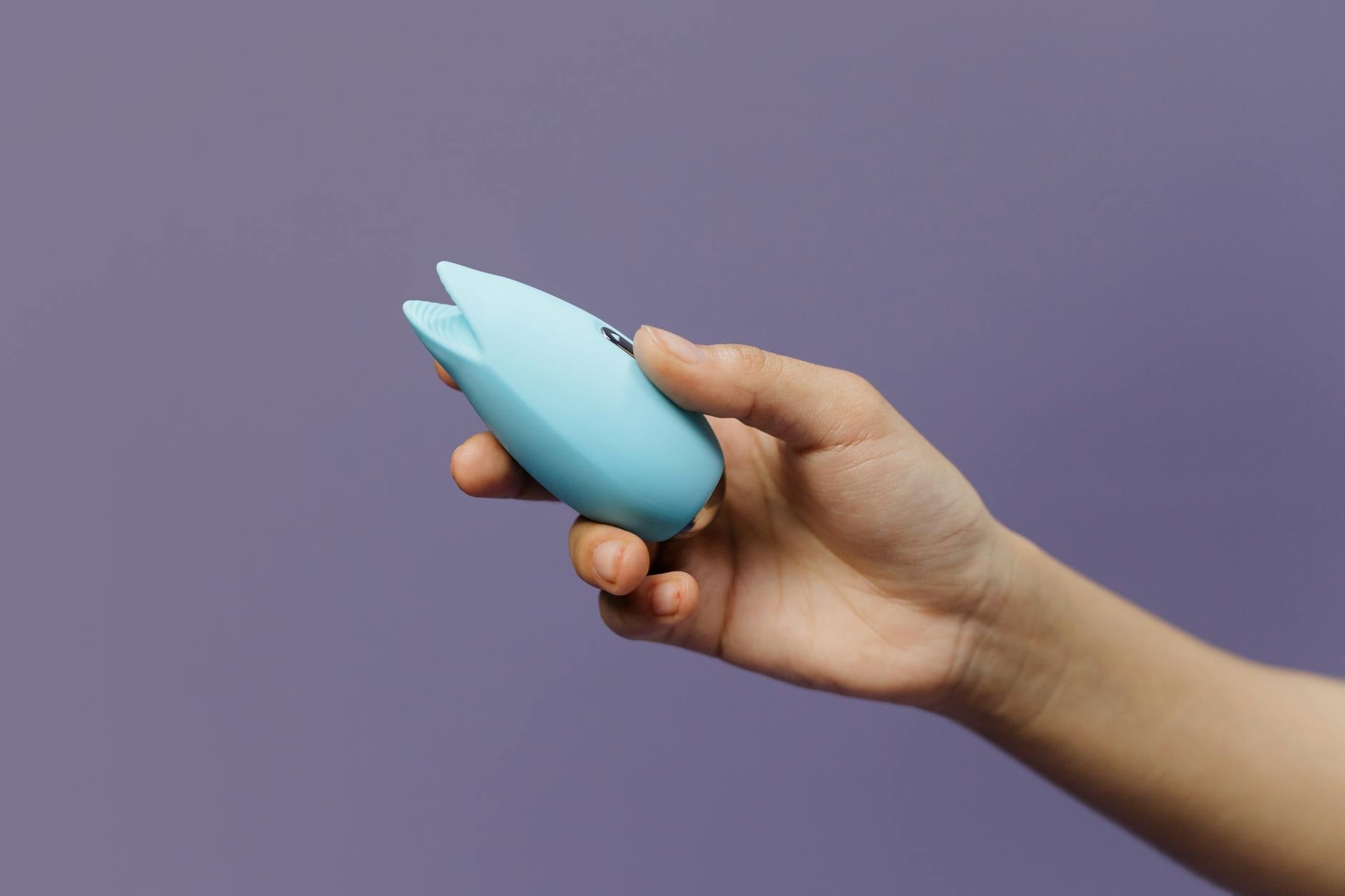
Unlike traditional vibrators, lemon clitoral vibrators use suction and pulsing air pressure instead of friction. The way a lemon vibrator works is simple: it creates a gentle, rhythmic suction around the clitoral area, stimulating the thousands of nerve endings there without pressing against sensitive tissue.
That distinction is everything when sensation is fading.
With air-suction design, you're not rubbing or grinding. You're creating a sealed pocket of gentle pressure that pulses. This approach works better on tissue that's thinner, more sensitive, or less responsive to direct contact. The stimulation goes inward rather than across the surface, so it reaches nerve clusters that friction might miss entirely.
When I work with clients navigating hormonal shifts, a lemon vibrator often becomes their entry point back to pleasure precisely because it bypasses the friction problem. Sensation returns not because the vibrator is "stronger," but because it's working with the tissue instead of against it.
What changes in your body during hormonal transitions
Three main things happen that dull sensation:
Tissue thinning. Estrogen keeps vulvovaginal tissue plump and elastic. Without it, that tissue becomes thinner, drier, and less cushioned. Touch that used to feel delicious now registers as rough or pressurized.
Reduced blood flow. Arousal depends on blood rushing to the clitoris and vulva, which makes them swell and become more sensitive. Lower estrogen means slower blood flow, so arousal takes longer and the physical signs are subtler.
Nerve sensitivity shifts. The nerves themselves don't go anywhere, but the supporting tissue around them changes. This can make sensation feel numb at first, then sharper and more localized once you find the right stimulation method.
Add stress, relationship fatigue, or medication side effects, and sensation dulls even more. The body is doing what it's designed to do. It's just a mismatch between what you're used to and what actually works now.
How to use a lemon vibrator when sensation feels flat
Start lower than you think. The lem vibrator typically has 6-8 intensity levels. Most people used to regular vibrators assume they need level 5 or 6. When sensation is numb, start at level 1 or 2.
This isn't about going slow because you're "fragile." It's about letting your nervous system recalibrate. At lower intensities, the suction effect becomes more apparent than the intensity, and that's where the magic happens.
Warm-up matters more than usual. Spend 10-15 minutes on foreplay or self-touch before using any toy. The increased blood flow makes a tangible difference in how much sensation you can access. A cool clitoris is a numb clitoris, regardless of what toy you're using.
Lubricant isn't optional. Even with suction design, a bit of water-based lube creates a better seal and smoother sensation. It also signals to your nervous system that something pleasurable is happening, which helps with arousal.
Experiment with placement. The lem vibrator is designed to fit over the clitoris, but some people find the most sensation by placing it slightly off to one side, or by using the edge of the opening rather than sealing it fully. Your anatomy is unique. Spend a few sessions exploring what creates the strongest sensation.
The rebound effect: when sensation returns
Here's something I see consistently: after a few weeks of using air-suction stimulation, sensation starts waking back up. You'll notice you need less intensity. You'll feel more during arousal. Orgasms that felt thin or distant become richer again.
This isn't the toy "training" you. It's your nervous system re-engaging. As you consistently experience pleasure, blood flow improves, tissue gradually regenerates with continued estrogen (or HRT, if you choose it), and your body remembers what arousal feels like.
That rebound takes time. Four to six weeks is typical before you notice a real shift. Patience here is not settling. It's letting your body work.
Some clients move back to their old toys after this. Others stick with their lemon vibrator because the sensation is genuinely richer. Both are fine. The point is regaining choice and pleasure, not loyalty to any single tool.
Common mistakes when sensation is fading
Mistake one: assuming you need more intensity. When sensation dulls, the instinct is to crank everything up. That usually backfires. Lower intensity + the right design works better than high intensity + the wrong design every single time.
Mistake two: not addressing the emotional layer. Numbness isn't just physical. If hormonal changes coincide with relationship shifts, health anxiety, or grief, your nervous system is also protecting you emotionally. A vibrator can't fix that alone. If pleasure feels numb and your sense of safety in your body or relationship also feels compromised, that's worth talking through with a therapist or counselor.
Mistake three: expecting instant results. Sensation restoration isn't like flipping a switch. Your body is rewiring. Give it six weeks before deciding something isn't working.
Mistake four: skipping lubrication or warm-up. These aren't optional extras. They're foundational. A lemon vibrator works best when your body is prepared for pleasure.
When to combine a lemon vibrator with other strategies
A lemon clitoral vibrator is a genuinely powerful tool, but it's not always enough alone. If sensation is still flat after a few weeks, or if pain appears alongside numbness, other support helps.
Hormone replacement therapy (HRT) or localized estrogen creams can rebuild tissue and blood flow. If you're curious whether that's an option for you, bring it up with your GP or gynecologist.
Pelvic floor physical therapy makes a real difference. A pelvic PT can assess whether tension or weakness in your pelvic floor is contributing to sensation loss. Many people combine toy use with PT and notice much faster improvement.
If you're on antidepressants, birth control, or other medications that affect arousal, talk to your prescriber about timing, dosage, or alternatives. Sometimes a small adjustment makes a huge difference.
Communication with a partner, if you have one, prevents frustration from turning into resentment. "My body is responding differently and we're figuring it out together" is a conversation that strengthens intimacy, even when sensation is temporarily flat.
The larger picture: sensation loss is temporary
Hormonal shifts change pleasure. They don't end it. The tools that work during one chapter of your life shift during another. That's not failure. That's adaptation.
A lemon vibrator works during these transitions because it meets your body where it actually is, not where you wish it were. Suction-based design, lower intensity ranges, and the focus on air pressure rather than friction all make real pleasure possible when sensation feels locked away.
Your pleasure matters. It matters enough to relearn your body's signals. It matters enough to try new tools. It matters enough to get professional support if sensation loss connects to pain, relationship strain, or emotional distress.
That's not indulgent. That's how you stay connected to yourself through the seasons.