Here's the thing about life transitions and desire
Your partner gets a promotion. You move to a new house. Someone moves in or moves out. A career changes. Kids leave home. And somewhere in the middle of all that logistical shuffling, arousal just... stops showing up. Not because you don't love your partner. Not because anything is technically wrong. Your brain is running fourteen different projects at once, and pleasure got deprioritized without anyone even voting on it.
This is wildly common, and it's also fixable. But it doesn't fix itself with standard advice.
Why arousal tanks during major life changes
When you're navigating a big transition, your nervous system is in what researchers call "stressor overload." Your brain is literally running out of bandwidth for sexual arousal because it's too busy managing the move, the new job, the custody schedule, or the relationship recalibration.
There's also often a secondary layer: grief. Even good transitions carry loss. A kid leaving for college is exciting and devastating simultaneously. A career shift means letting go of an old identity. When you're processing that, your body isn't in a "let me feel pleasure" state. It's in a "let me survive this" state.
Add a third layer, and this becomes even more understandable. Many people who experience decreased arousal during transitions also experience what I call "touch resistance." You don't want to be touched. The idea of sex feels like one more thing you have to do, one more person whose needs you have to meet, one more task on an already impossible list.
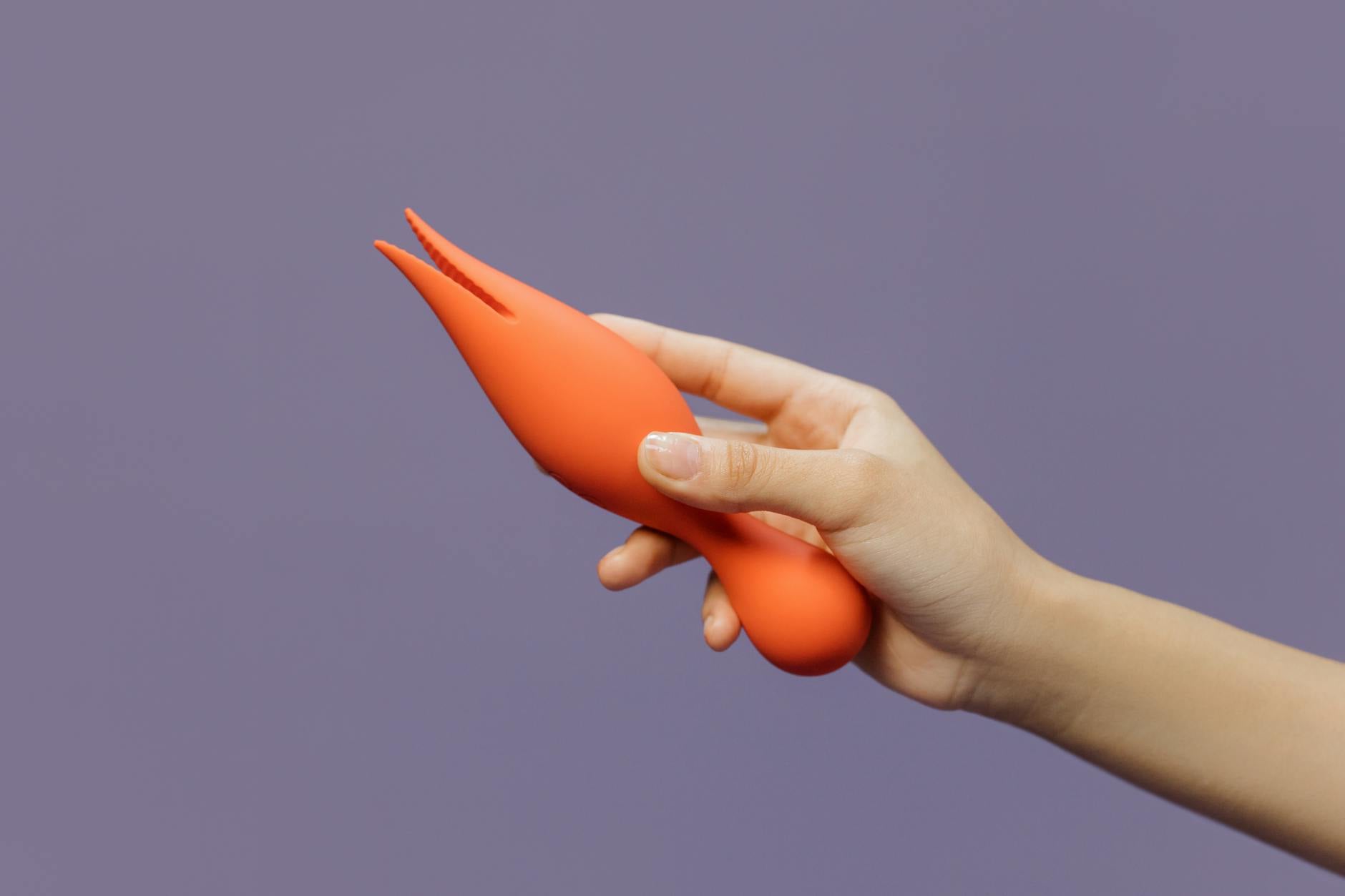
That's where lemon adult toys, particularly air-suction vibrators like the Lem, become genuinely useful. Not because they're magic, but because they work with how your nervous system actually functions during stress, rather than fighting against it.
The nervous system part that changes everything
When you're in stressor overload, direct stimulation often feels overwhelming. Your partner initiates sex. You feel touched out before anything even happens. This is textbook arousal resistance during transitions.
A lemon vibrator works differently. Suction stimulation bypasses the "one more touch I have to receive" feeling and goes straight into a concentrated nerve response. Instead of broad pressure across the area, you're creating a specific sensation that your nervous system can focus on without adding to the overwhelm.
Many of my clients describe the experience as "I can feel this without it feeling like someone is demanding something from me." That distinction matters wildly. During transitions, you often need pleasure that doesn't require you to perform, accommodate, or manage someone else's experience.
Lemon suction toys also tend to build arousal faster because they're targeting dense nerve clusters very specifically. That means you spend less time in the vulnerable early stages of arousal and more time in the part that actually feels good. When your mental energy is split, shorter time to pleasure becomes genuinely valuable.
The independent pleasure advantage
Here's something I see constantly with partners navigating major transitions: one person's arousal tanks, and the other person interprets it as rejection. Suddenly there's an emotional layer on top of the physiological one. You feel guilty. Your partner feels hurt. Now you're also managing that tension.
When you're using a lemon clitoral vibrator independently, you're not managing anyone else's feelings or expectations. You're not performing arousal. You're building actual arousal, which is physiologically different.
For some people in transitions, this independent pleasure becomes the gateway back to partnered intimacy. Once your nervous system remembers what pleasure feels like without the pressure, you can approach a partner from a fuller place rather than from a deficit.
Practical setup during transitions
If you're using a lemon vibrator during a period of decreased arousal from life changes, a few things help:
Give yourself real time and space. During transitions, "quality" pleasure requires actual quantity of time. Budget 20 to 40 minutes when you can be alone without interruption. Your nervous system is already in scarcity mode. Rushing makes everything harder.
Start with lower settings. If your body is in stressor overload, high intensity can feel assaulting rather than pleasurable. Many lemon vibrators have multiple patterns and speeds. Spend time at setting 1 or 2. Let arousal build gradually. You can always increase intensity once you're more engaged.
Use it as a transition ritual, not a performance. Some clients set aside time on a specific evening, or use the lemon sucker as part of a larger self-care practice. That removes the pressure of "I need to be aroused right now." Instead, you're building anticipation.
Expect your mind to wander. This is completely normal during transitions. Your brain has a thousand things to think about. Let the thoughts move through without judgment. The fact that your body is engaging with pleasure is the win, even if your mind is partly elsewhere.
When partnered pleasure can re-enter
Most people who've experienced decreased arousal during transitions ask: when do I want to have sex with my partner again? The answer is usually: when you remember what pleasure feels like solo, your desire for partnered intimacy often follows naturally.
I often suggest a lemon vibrator becomes part of partnered pleasure once you're reconnected with arousal solo. Your partner doesn't have to do all the work of bringing you to arousal. You can bring yourself to 60 or 70% of the way there, which removes a tremendous amount of pressure from both of you.
This also means less risk of the "performing arousal" trap that often deepens the disconnect during transitions. If you're already somewhat aroused when your partner touches you, your body's responses are more authentic. You're not faking it because you think you should. You're continuing something that's already real.
The timeline is individual
Here's what I tell people in my practice: transitions don't have a standard timeline. Someone's arousal might return in two months. Someone else might need six. External pressure to be "normal" again usually just extends the problem.
What does help is gentle, consistent re-engagement with pleasure. That might be a lemon vibrator, used without expectation, in whatever timeframe feels sustainable. It reminds your nervous system that pleasure exists. That you deserve it. That your desires matter even when everything else is chaotic.
The transitions themselves don't go away. The new job is still stressful. The moved kids are still gone. But your capacity to hold pleasure alongside the difficulty gets bigger.
During transitions, pleasure isn't a luxury. It's nervous system recalibration.
FAQ: Arousal, transitions, and lemon vibrators
How long does it usually take to feel aroused again after a major life change?
There's no universal timeline. Some people's arousal bounces back once the immediate stress of transition settles, usually four to eight weeks. Others need several months, particularly if the transition involves grief or identity shifts. The key is consistency without pressure. Using a lemon clitoral vibrator regularly, even if arousal feels distant at first, helps your nervous system recognize that pleasure is available again. Avoid setting a target date for when you "should" feel aroused. That adds pressure, which deepens the suppression.
Can I use a lemon vibrator while my partner is in the house?
Absolutely. Many lemon vibrators are relatively quiet. If privacy matters to you, using one while your partner is reading, working, or in another room is completely workable. Some couples find it helpful to build in solo pleasure time the same way they do exercise or other self-care. That removes secrecy, which often intensifies disconnection during transitions. If your partner knows you're reconnecting with your own arousal, it often reduces their anxiety about what decreased arousal means.
Is it normal to feel guilty about using a lemon vibrator when I'm not interested in sex with my partner?
Extremely normal and also worth examining gently. If you're experiencing decreased arousal from a transition, solo pleasure isn't a rejection of your partner. It's self-preservation during a hard time. Many people confuse "I don't want sex right now" with "I don't want intimacy with you." Those are different things. Using a lemon sexual toy to reconnect with pleasure is actually an investment in your capacity to re-engage with your partner from a fuller place, not a replacement for that relationship. If guilt persists, it might be worth talking with your partner about what's happening, rather than avoiding pleasure altogether.
Do I need to tell my partner I'm using a lemon vibrator during decreased arousal?
That depends on your relationship agreements and comfort level. Some people prefer privacy around solo pleasure. Others find that transparency actually reduces disconnection. If your partner asks directly, honesty usually serves you better than avoidance. Many partners find it actually relieves pressure when they know you're actively working to reconnect with arousal, rather than waiting for them to fix it. The key conversation is about what decreased arousal means to each of you, separate from the mechanics of how you're addressing it.
Can using a lemon vibrator help me reconnect with my partner sexually after a transition?
Often yes, but indirectly. When you rebuild arousal solo and remember what pleasure feels like in your body, you're coming to your partner from a place of fuller capacity rather than depletion. That changes the entire dynamic. Some couples find that adding a lemon clitoral vibrator to partnered intimacy helps too. If you're already somewhat aroused when your partner touches you, there's less pressure on them to generate all the arousal. Less pressure usually means more genuine connection.
What if arousal doesn't return even with a lemon vibrator and time?
If several months have passed and decreased arousal persists despite consistent attempts to reconnect, it's worth checking in with a healthcare provider. Sometimes transitions surface deeper relationship issues, new health factors, or medication side effects that need attention. A lemon sucker can help with most arousal disruptions from stress and transition, but it's not a solution for everything. If something feels off beyond the transition itself, getting curious about that is important.
The bigger picture
Decrease arousal during major life transitions is your nervous system's intelligent response to overload. It's not a sign of broken desire or a dead relationship. It's a signal that you need to rebuild capacity for pleasure in a way that works with where you are right now, not against it.
A lemon vibrator, used consistently and without pressure, can be part of that rebuilding. Not because it's a quick fix, but because it helps your body remember what pleasure feels like when everything else is demanding something from you.
Your desire will return. And when it does, it'll be yours first, which makes partnered pleasure so much more genuine.
If you're navigating a transition and want support rebuilding intimacy with your partner, we're here to help. Reach out at /contact to talk through what you're experiencing.