Here's what nobody tells you about pelvic floor PT
Pelvic floor physical therapy works. You do the exercises, your pain lessens, your function improves. But somewhere between week four and week eight, you hit a weird middle ground where the pain is mostly gone but pleasure feels... distant. Muted. Like someone turned down the volume on sensation.
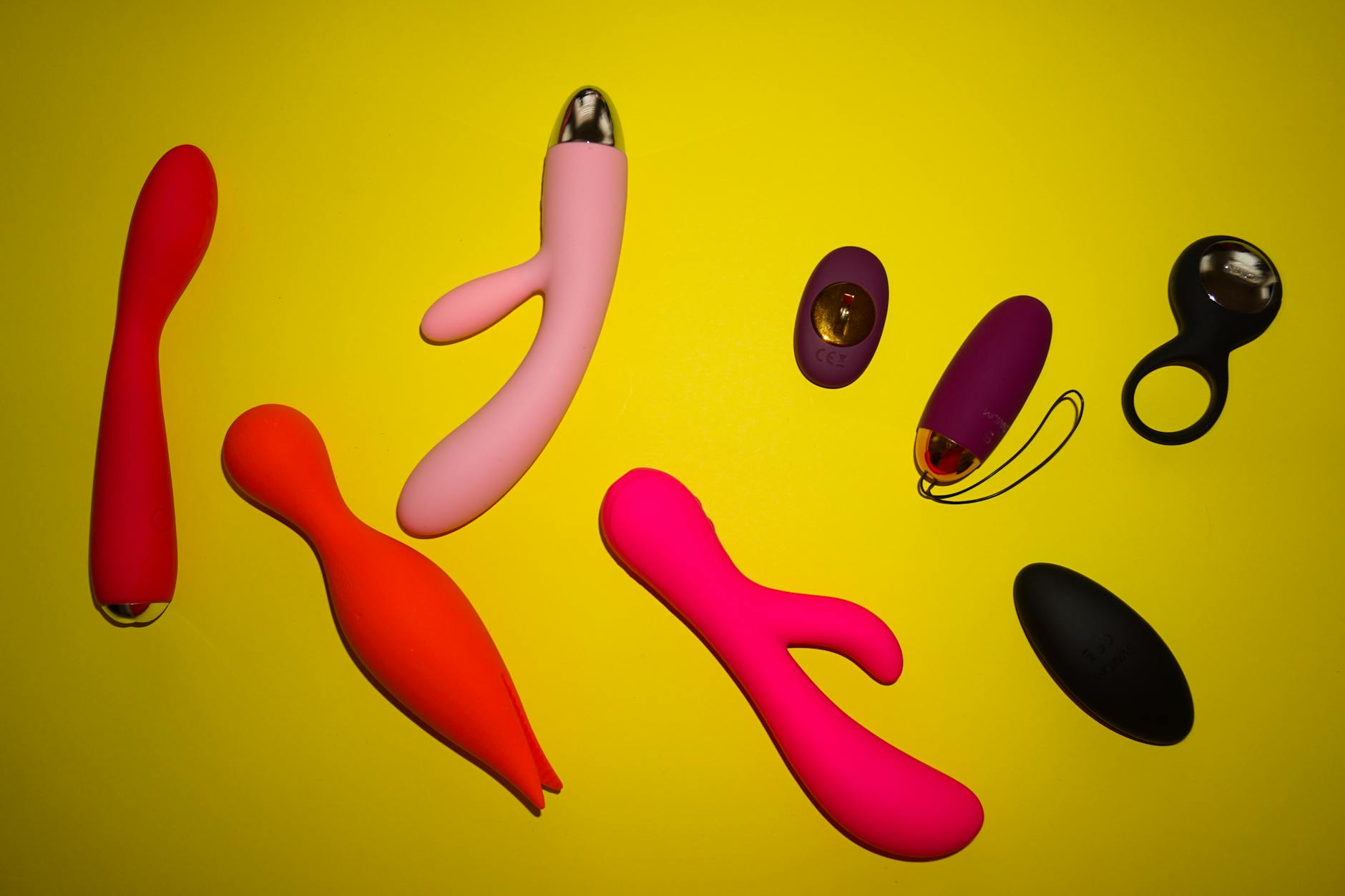
This is actually normal. Your nervous system has been in protective mode for months or years. The muscles have been relearning how to relax. Now that the acute crisis is over, your brain and body need permission to remember that pleasure is safe again. Lemon clitoral vibrators, with their gentle suction-based stimulation, are one of the most effective ways to bridge that gap.
Why sensation drops during and after pelvic floor PT
When your pelvic floor is tight, painful, or dysfunctional, your nervous system essentially puts pleasure on a back burner. Everything becomes mechanical. You're focused on pain management, not arousal. As you work through PT, the physical tension releases, but the nervous system's protective pattern lingers.
This is called "pain-related anxiety desensitization," and it's real. Your brain learned to override pleasure signals to protect you. Retraining that system takes deliberate, gentle stimulation. You need something that feels different from the touch that caused pain, and something that your nervous system recognizes as purely pleasurable, not therapeutic.
Lemon vibrators work particularly well here because they don't rely on intense direct pressure or friction. The suction-based design creates a rhythm that your nervous system can follow easily. It's almost meditative. You're not fighting for sensation; you're inviting it back.
The nervous system reset you need
Your pelvic floor isn't just about the muscles. It's wrapped in a dense web of nerves. When those nerves have been in pain mode, they need retraining just like the muscles do. This is why your physical therapist probably talked about nervous system downregulation.
A lemon clitoral vibrator helps complete that retraining by introducing pleasure in a way that feels safe and predictable. The patterns are consistent. The intensity is adjustable. You're in control, which matters enormously when you're rebuilding trust in your own body.
Most of my clients describe using a lemon-shaped toy like the Lem during recovery as "permission to feel good without guilt." That language tells you everything. They're not using it to force pleasure. They're using it to gently remind their nervous system that pleasure is an option now.
Timing: when to introduce vibrators into your recovery
If you're still in active pain during PT, wait. Your physical therapist will tell you when you're ready. Usually that's around week six to eight, once acute pain has dropped and you're moving toward functional exercises.
Start in a low-pressure way. This isn't about orgasm. Set a timer for 5-10 minutes. Use your toy while alone, in a quiet space, without any goal except noticing what sensation feels like. Use the lowest setting. Let your body surprise you.
Many people report that their first few sessions feel almost nothing. That's fine. You're rewiring. By week three of gentle use, most describe subtle shifts. Sensation starts returning. The nervous system starts recognizing pleasure as safe.
How lemon vibrators specifically help during pelvic floor recovery
Unlike other adult toys, lemon clitoral vibrators use suction rather than vibration alone. This matters during recovery for three reasons.
First, suction creates a broad pattern of stimulation across the clitoral complex, not a narrow point of pressure. This is gentler on tissues that are still sensitive and also more effective at nervous system signaling. The rhythm reaches more nerve endings with less intensity.
Second, you control the sensation completely. You can start at pattern one (very subtle) and stay there indefinitely. There's no social pressure to move to higher settings. You're not "failing" at pleasure by liking gentle. You're healing smartly.
Third, the warmth of the silicone combined with the suction creates a rhythm your body recognizes as nurturing, not clinical. This is important. You're trying to separate pleasure from the medical intervention you've been enduring.
The emotional piece matters as much as the physical
If you have a partner, they might have anxiety about sex during your recovery too. There's often an unspoken fear: What if we hurt you again? What if it goes back to being painful? Using a lemon clitoral vibrator alone first allows you to build confidence in your own body before reintroducing partnered intimacy.
Once you've used one solo for a few weeks and felt your sensation returning, introducing it with a partner changes the dynamic entirely. You're no longer focused on whether penetration will hurt or whether you "should" be able to orgasm. You're focused on pleasure rediscovery together. This shifts the entire frame of sex during recovery.
If you're single, you're building a direct line between your nervous system and joy. That's powerful. You're not waiting for permission or partnership to reclaim pleasure. You're doing it yourself.
Lubrication and tissue sensitivity during recovery
Pelvic floor dysfunction is sometimes connected to tissue changes from hormones, atrophy, or scar tissue. Your physical therapist may have recommended lubrication. Use it liberally with your vibrator, even if tissues feel normal to you.
Water-based lube is your friend here. It won't damage silicone toys (unlike oil-based lubes), and it feels smooth and gentle. Some people find that adding a warming element (body warmth, or a small dab of warming lube) makes the experience feel less clinical and more naturally sensual.
You're rebuilding a relationship with your body. Everything should feel good, not dutiful.
Combining vibrators with your PT exercises
Here's a pro tip: many people find that using a lemon vibrator 30 minutes after their pelvic floor exercises creates the ideal reset. Your pelvic floor is already warmed up and practiced at relaxing. Your body has just proven it can function well. Now you're layering in pleasure on top of that evidence of healing.
This is not a clinical suggestion. It's a nervous system hack. You're using physical evidence of healing to create emotional permission for pleasure. The combination is powerful.
When sensation isn't returning as fast as you'd hoped
If you've been using a lemon vibrator regularly for six to eight weeks and sensation still feels distant or muted, talk to your physical therapist or gynecologist. Sometimes pelvic floor issues are linked to hormonal changes, medication side effects, or other underlying factors that need addressing. You might benefit from topical treatments, additional PT modalities, or medical consultation.
But most commonly, sensation does return gradually. It's not a switch that flips on. It's a volume dial that slowly increases. Patience is the hard part, not the vibrator.
FAQ: lemon vibrators and pelvic floor recovery
Can I use a clitoral vibrator if I still have some pelvic floor pain?
Start only when your PT has cleared you for pleasure-based activities. If you have sharp pain, wait. If you have soreness or low-grade ache, check with your therapist first. Using a toy too early can accidentally reinforce nervous system protection patterns. Timing matters more than the toy itself.
How often should I use a lemon vibrator during recovery?
Three to four times per week is a good starting point. You're not training, so more is not better. Consistency matters more than frequency. Your nervous system responds better to predictable, gentle exposure than to intensive sessions. Think of it like the exercises your PT gave you: manageable, repeatable, and sustainable.
What if I don't feel anything the first few times?
Completely normal. Your nervous system is still learning that pleasure is safe. Keep the sessions short (5-10 minutes), use the lowest settings, and stay curious instead of goal-focused. By week three or four, most people report noticeable shifts. If nothing has changed by week six, talk to your therapist.
Can I use a lemon clitoral vibrator with a partner during recovery?
Absolutely, but introduce it solo first. Once you've built confidence in your own sensation, bringing a partner into the experience changes the dynamic completely and usually in a good way. Your partner can help you stay relaxed and present instead of anxious about performance.
Are lemon vibrators the only toy option during pelvic floor recovery?
No, but they're often the best choice because suction stimulation is gentler than direct vibration on recovering tissues. If you have another toy you love, talk to your PT about whether it fits your recovery phase. The tool matters less than the gentleness of approach and consistency of use.
How do I know when I'm ready to move beyond gentle recovery mode?
When sensation feels reliable again, when you're having regular pleasure without focus or strain, and when you feel emotionally ready. This is usually four to twelve weeks into consistent gentle use. There's no rush. Your recovery timeline is your own.
You deserve this part of healing too
Pelvic floor recovery is taken seriously. You see a physical therapist, you do the exercises, you manage the pain. But pleasure recovery gets less attention even though it's equally important. Your nervous system needs proof that your pelvic floor is safe for joy, not just function.
Lemon clitoral vibrators are one of the gentlest, most effective ways to provide that proof. They meet you where you are, require no pressure or performance, and let you rebuild sensation at your own pace.
Your recovery is not just about the absence of pain. It's about the return of pleasure. You're worth that reclamation.
If you have questions about your specific recovery timeline or concerns about returning to pleasure after pelvic floor PT, reach out to your healthcare provider or contact Hello Nancy's support team for additional resources and guidance.
References and clinical support
Pelvic floor physical therapy outcomes and nervous system recovery are well-documented in sexual medicine literature. Research on suction-based stimulation and its effects on sensation recovery, particularly in post-therapy contexts, supports the approach outlined here. For specific medical concerns about your recovery, consult your physical therapist or gynecologist.