Your youngest walks out the door with their last box. The house is quiet. You pour coffee, sit down, and realize you haven't been alone in years. This is supposed to feel like freedom. Instead it feels like standing at the edge of something you don't remember how to do: being present with yourself.
Empty nest doesn't just change your schedule. It rewires how you relate to your body, your sexuality, and what pleasure even means when the constant hum of someone else's needs finally stops.
Here's what I see in my practice: parents (especially mothers) spend 15-20 years running on logistics. Sex becomes something you fit in around carpool, homework, bedtimes. Your sexuality doesn't disappear. It gets filed under "projects to manage" instead of "things I want."
When the kids leave, something strange happens. You suddenly have permission to want things again. And that can feel more disorienting than liberating, at least at first.
The physical part shifts too. If you've spent two decades with interrupted sleep, stress cortisol, and maybe a partner you're more annoyed with than attracted to, your nervous system has gotten used to staying switched off. Reactivating it takes intention. It's not automatic.
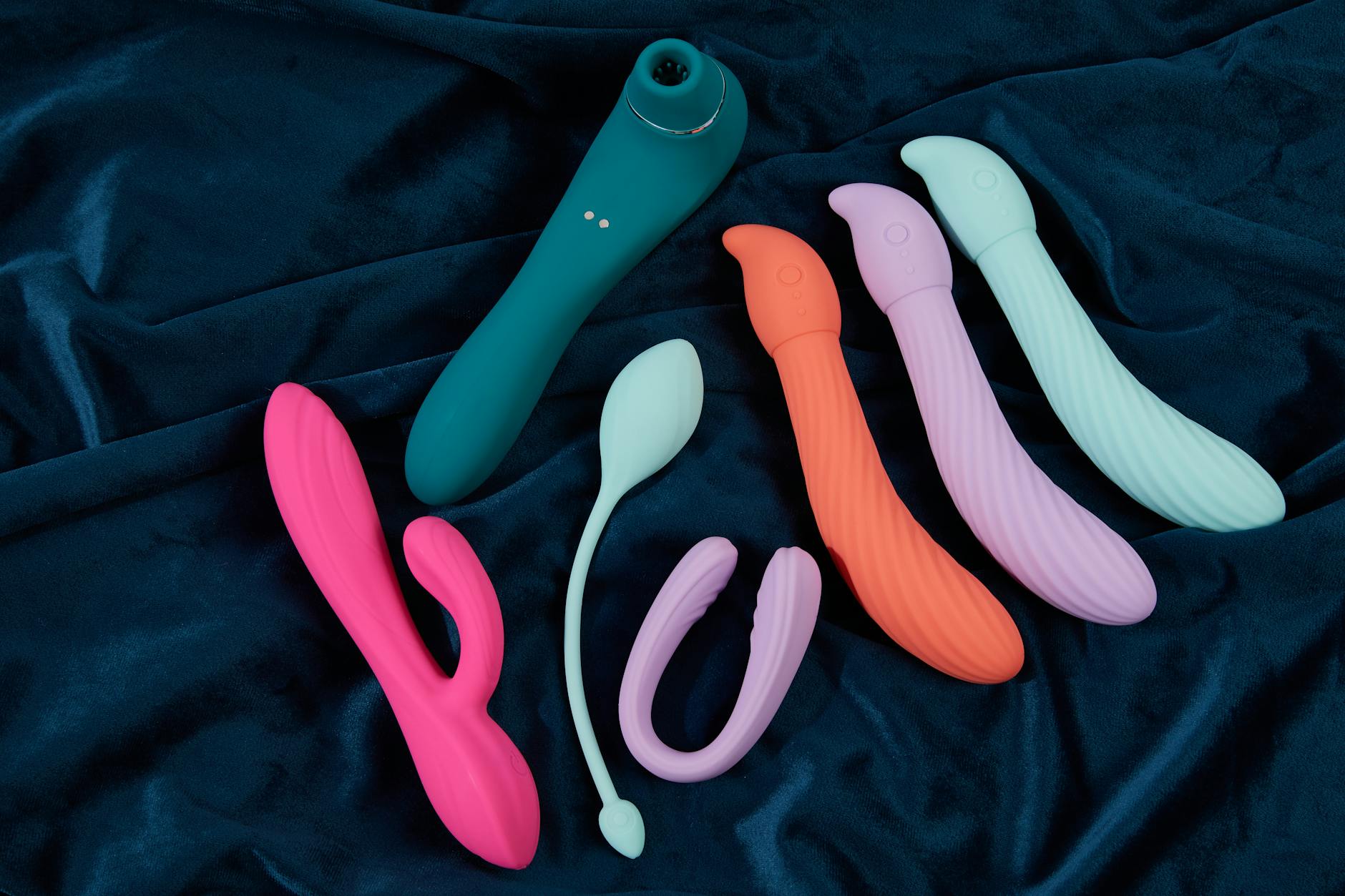
A lemon vibrator like the Lem works here because it doesn't require you to "perform" arousal. It creates arousal. Suction-based stimulation works faster and more reliably than traditional vibration when your body's been in hibernation mode. You don't have to coax yourself into it. You just have to show up.
Before you use any toy, before you even think about pleasure, you need to get comfortable being alone with yourself in your own space.
This sounds obvious. It's not. Years of parenting trains you to hate silence. You're used to interruption. So when the house is quiet, the instinct is to fill it immediately. Netflix, texting, checking email. Anything but sitting with yourself.
Spend a week in that silence first. Not thinking about sex. Just existing. Shower without rushing. Touch your own face. Notice what your body feels like when nobody else needs anything from it. This is the actual foundation. The lemon vibrator comes later.
Once you're comfortable with quiet, here's how I recommend using a lemon clitoral vibrator during this transition:
Start with your body first. No toy yet. Spend time touching yourself the way you used to before anyone else was involved. This is not a race to orgasm. It's about remembering what turns you on. What does your skin like? Do you like direct clitoral touch or something gentler? Do you want to start fast or build slowly? Write this down if it helps you remember.
Use the Lem at pattern 1 or 2. The lower settings are never about insufficiency. They're about learning. The suction sensation feels completely different from traditional vibrators. It's more localized, more sustained. Start light.
Budget 20-30 minutes. Years of quickie sex when you had 15 minutes between carpool and a work call has trained your body to rush. Your nervous system needs permission to slow down. Pleasure that matters takes time.
There's no right outcome. If you orgasm, great. If you don't, that's not failure. You're rebuilding a relationship with your own pleasure. Some sessions are about sensation. Some are about learning what you like. Some are just practice.
If you have a partner in this house now, empty nest creates an unexpected problem. You're suddenly alone with them for the first time in years. And after 20 years of logistics-based parenting, you might not actually like each other very much.
This is fixable, but not with sex. You fix it by rebuilding affection first. Actual non-sexual touch. Conversations that aren't about logistics. Going somewhere together without needing to get back by 5 p.m.
Once you've started rebuilding solo pleasure with your lemon vibrator, you can introduce it into partnered sex. But here's the key: introduce it as something that belongs to you. Not as a tool to "fix" the relationship or prove something. Your pleasure is not his job. It's your job. A lemon vibrator is a tool you use for yourself, whether someone else is in the room or not.
The Lem's suction design actually makes this easier than traditional vibrators. Because it stimulates differently, partners don't feel like they're competing with it. You're not replacing their touch with a toy. You're adding an element that works in parallel.
Empty nest isn't just about your kids leaving. It's about the identity you've been living in leaving. You're not "the parent managing everyone's life" anymore. So who are you?
This identity rewrite always shows up in sexuality first. You might feel guilt about wanting solo pleasure. Or you might feel angry that your sexuality got postponed for so long. Or you might feel numb, like the ability to want things atrophied.
All of these are normal. None of them mean something's broken.
If you're working with a therapist (and this is actually a good time to start if you're not), bring this up. If you're just doing the work on your own, know that using a lemon vibrator during this transition isn't frivolous self-care. It's part of rebuilding who you are outside of the role that defined the last two decades.
Here's what I need you to hear: your pleasure matters now in a way it maybe didn't before. Not because you're selfish. Because you're rebuilding yourself.
The years of parenting weren't wasteful. But they weren't your whole life either. And now you get to reclaim the parts that got filed away. That includes sexuality. That includes desire. That includes the right to use a lemon vibrator or any other tool that helps you feel good in your own body.
Your empty nest years are not a consolation prize. They're the chapter where you finally get to be the priority.
Completely normal. Your nervous system has been conditioned to stay in "attend to others" mode. Shifting to solo pleasure can feel selfish or unfamiliar. Give yourself grace. The weirdness fades as you practice. A lemon vibrator actually helps because the sensation is novel enough to bypass old patterns.
There's no "should." Start with once a week and notice what feels good. Some people in early empty nest find they want solo time daily. Others want it sporadically. The point is noticing what you actually want, not what you think you should want. Your body will tell you.
Yes, absolutely. This is actually exactly what a suction toy like the Lem is designed for. It works with less direct pressure because it creates suction around the tissue rather than vibrating directly against it. Start at the lowest setting and work up.
That depends on your relationship dynamic. If hiding it feels necessary because you're afraid of judgment, that's worth examining. If you just want privacy during solo time, that's completely reasonable. Many people have solo pleasure practices that are separate from partnered sexuality. Both are valid.
Lack of desire after empty nest is usually one of four things: depression, resentment in your relationship, unprocessed grief about identity loss, or just depletion that needs actual rest (not a toy). A lemon vibrator can help rekindle sensation-based pleasure. But if desire itself is gone, that might be worth talking through with someone trained in this transition.
Yes. In fact, that's ideal. When you've already explored it and know what you like, introducing it to partnered sex is less about performance anxiety and more about sharing something you genuinely enjoy. Lead with what feels good to you, not what you think they should like.