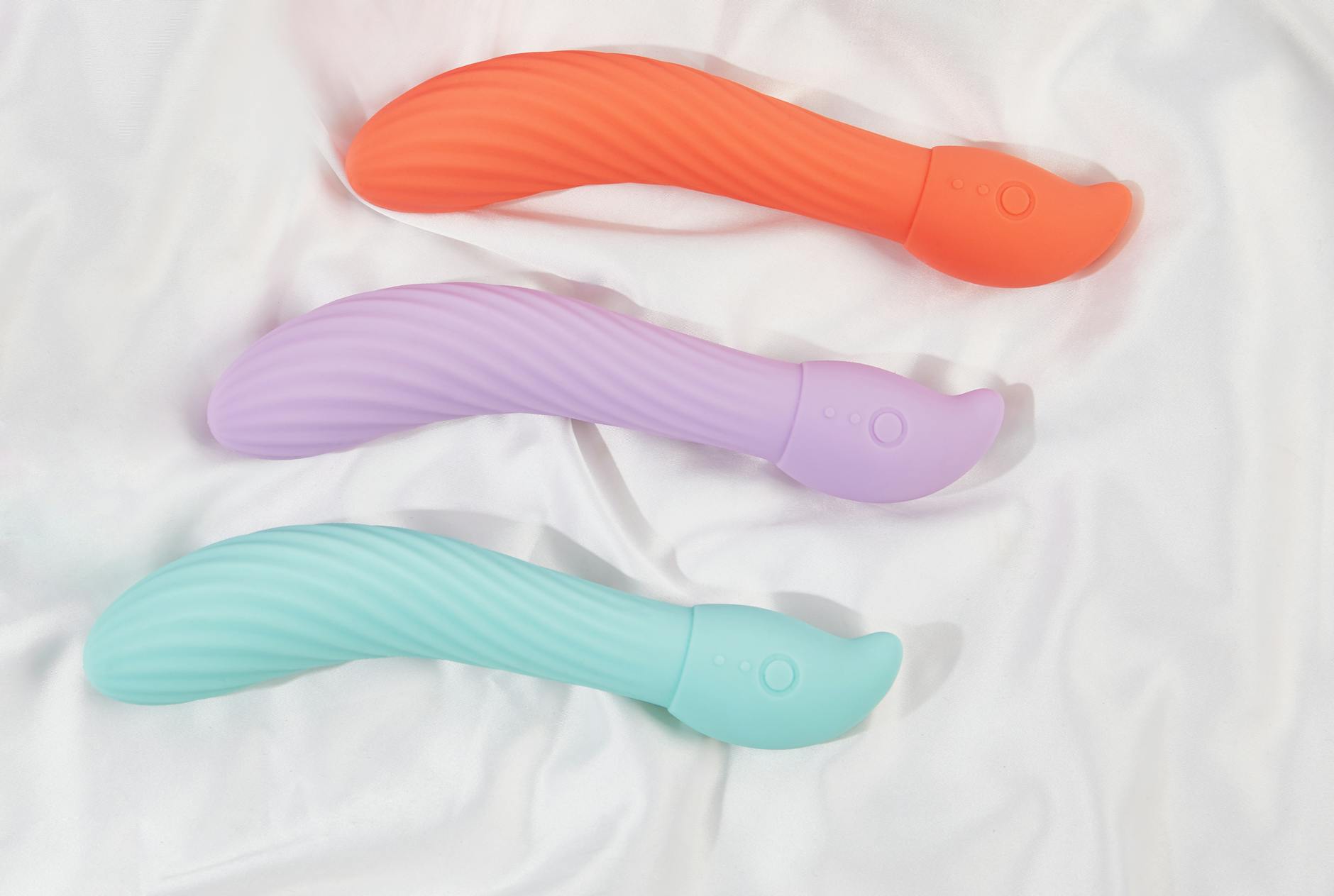
Here's the thing about hormonal low libido
Your brain didn't change. Your desire didn't disappear. What changed is your body's chemical ability to signal arousal, which feels identical to losing desire altogether. The trap most people fall into is treating this like a relationship problem or an emotional block when it's actually a wiring issue. A lemon clitoral vibrator works specifically because it bypasses that broken signaling chain and reactivates pleasure directly at the nerve level.
I've worked with hundreds of people navigating this exact moment. The pattern is always the same. They stop initiating sex. They avoid their partner. Then they blame themselves for not "being interested" anymore. But interest and physiological arousal are not the same thing, and understanding that distinction changes everything.
What hormones actually do to desire
Estrogen, testosterone, and progesterone don't just influence mood. They directly control blood flow to genital tissue, nerve sensitivity, and the brain's dopamine response to stimulation. When these hormones drop, the whole cascade stalls. Your clitoris gets less blood flow. Your nerve endings become less reactive. Your brain requires stronger stimulation to register pleasure at all.
This is measurable, biological, and completely fixable. It's not about willpower or attraction.
The other thing that happens is more subtle. Lower hormones often come with fatigue, mood fluctuation, or brain fog. You're not just less aroused. You're also less present mentally, which makes arousal even harder to build. It becomes a loop: less hormones, less presence, less arousal, more guilt, less interest in trying.
A lemon vibrator interrupts that loop in two ways. First, it provides the direct physical stimulation your body needs to register pleasure again. Second, it removes the pressure of trying to "work yourself up" mentally. You're not waiting for desire to arrive. You're creating it mechanically.
Why lemon vibrators specifically work for low libido
Most vibrators use regular vibration patterns, which require sustained attention and can feel numb after a few minutes. A lemon vibrator uses suction or air-pulse technology instead. That's crucial when your arousal signals are already muted.
Here's why: suction stimulates the clitoris without direct friction. It pulls blood into the tissue, which wakes up nerve endings faster and with less numbing effect. For someone with hormone-suppressed arousal, this matters. You feel the stimulation more acutely. Pleasure registers sooner.
Beyond the mechanism, lemon adult toys are designed for solo use. No performance pressure. No waiting for a partner to get you there. When your libido is already fragile, removing that layer of pressure is half the battle.
The protocol that actually works
Three things matter here. Timing. Settings. Expectation.
Timing. Don't try to use a lemon vibrator when you're depleted. Pick a morning or early afternoon when you have energy. Hormonal fatigue often peaks in the evening, so working against that is pointless. Give yourself 20-30 minutes when you're not rushing.
Settings. Start at the lowest intensity. With hormonally suppressed arousal, you need to build sensation gradually. Your body will signal pleasure once it's primed, not before. The lem vibrator has multiple intensity levels. Begin at level 1 or 2 and stay there for 3-5 minutes. This isn't about reaching a goal fast. It's about giving your nervous system permission to wake up.
Expectation. Don't demand an orgasm. This is where most people derail. When libido is low, you've often internalized the belief that you're broken. Adding orgasm as a requirement makes the whole thing feel like another task you'll fail at. Instead, shift your goal to feeling something. Anything. A tingle. Warmth. A subtle shift in sensation. That's the win.
Building back arousal when it's been dormant
If you've been in a low-libido phase for months, your body needs retraining. Your neural pathways for pleasure have been quiet. Using a lemon vibrator regularly isn't about chasing highs. It's about reminding your body that pleasure is still possible.
Start with two or three times a week. Consistency matters more than intensity. Each time, your nervous system gets the signal: "Okay, we're doing this again. It's safe. It feels good." Over time, that signal gets stronger. You'll notice the sensitivity returning. Your body will take less time to respond. After three to four weeks of consistent use, most people report their baseline arousal has shifted upward noticeably.
The second piece is reintroduction to partner intimacy. If you have a partner, using a lemon vibrator solo is practice. It's proof that arousal is still in your body somewhere. Once you've rebuilt that connection, using it with a partner changes things. It removes the pressure of them trying to "turn you on" and shifts the dynamic to mutual pleasure. That's different. That matters.
The mental piece nobody talks about
Hormones influence more than physiology. They also affect your sense of self. Low testosterone, in particular, tanks confidence. You feel less capable, less magnetic, less you. This mental weight makes low libido feel permanent.
When you use a lemon vibrator and remember that pleasure is achievable, the mental shift is as important as the physical one. You're not broken. Your body wasn't designed wrong. Hormones tanked, arousal tanked with them, and you can rebuild both.
I encourage people to reframe self-pleasure during this phase as an act of self-knowledge, not desperation. You're learning what your body needs now. You're experimenting with different intensities, rhythms, and approaches. That's not settling. That's intelligence.
When to involve your partner (and how)
If you're partnered, eventually you'll want to bring a lemon clitoral vibrator into shared intimacy. The key is doing that without making it about fixing you.
The conversation that works: "My body's responding differently right now due to hormonal stuff. I've been exploring what helps me feel pleasure again. Want to explore that together?" Notice what's missing. No apology. No framing it as your failure. No "I'm sorry I'm not attracted to you." Just honesty about biology and invitation.
When you use the vibrator with a partner, many people find that the pressure lifts entirely. They're not trying to perform. Their partner is genuinely present and engaged with the pleasure process. That's when low libido often starts to reverse. It's not about willpower. It's about safety.
The timeline and when to seek support
If you've been experiencing hormonally driven low libido for six months or more, and regular lemon vibrator use over four weeks hasn't shifted anything, talk to your doctor. This could signal thyroid issues, medication side effects, or hormone imbalance that needs clinical attention.
Similarly, if low libido is tied to birth control, certain antidepressants, or other medications, you might have options. A gynaecologist or functional medicine doctor can investigate. Sometimes the fix is a medication switch. Sometimes it's a hormone supplement. Either way, you deserve answers.
A lemon vibrator is a powerful tool for rebuilding arousal. It's not a replacement for addressing underlying medical causes. It works best as part of a full picture.
FAQ: Low Libido and Lemon Vibrators
Can a lemon vibrator increase my desire if my libido is naturally low?
A lemon vibrator won't create desire from nothing, but it will reactivate the pleasure pathway once it's there. Many people find that once they've had a few pleasurable experiences with a vibrator, desire naturally begins to follow. Your brain starts anticipating pleasure again. The key is separating desire from the physical sensation of arousal. A lemon vibrator rebuilds the physical piece, and desire often returns with it.
How long does it take to feel normal libido again after using a lemon vibrator regularly?
Most people report noticeable shifts in four to six weeks of two to three weekly sessions. That said, timeline depends heavily on what caused the low libido. Hormonal suppression from birth control might resolve faster once the medication changes. Ongoing stress or untreated hormone imbalance takes longer. Patience here matters.
Is using a lemon vibrator while my libido is low a sign I'm addicted?
No. Using a sex toy to rebuild pleasure capacity is self-care, not addiction. Addiction looks like compulsive use that interferes with other responsibilities or relationships. Regular intentional self-pleasure while rebuilding arousal is a completely different thing. You're literally training your nervous system back into responsiveness.
Will my partner feel threatened if I use a lemon vibrator because my sex drive is low?
Some partners do worry initially that a vibrator means you're not attracted to them. The fix is conversation, not secrecy. Explain that the vibrator is helping you rebuild arousal so you can be present in intimacy again. Frame it as something that serves both of you. In fact, many partners feel relieved knowing there's a concrete tool helping restore that connection.
Can hormonal birth control cause low libido that a lemon vibrator can help with?
Absolutely. Many birth control methods suppress testosterone and shift estrogen levels in ways that tank arousal. If you suspect your birth control is the culprit, talk to your gynecologist about alternatives. In the meantime, a lemon vibrator can help you maintain arousal capacity and remind your body that pleasure is still possible. Some people find that once they switch methods, that pleasure returns more readily because they've kept the pathways active.
If my partner has low libido from hormones, should I encourage lemon vibrator use?
Invitation over pressure. If your partner mentions low desire, you could say something like, "I've read that some people find vibrators helpful for rebuilding arousal when hormones shift. Would you be open to exploring that?" Then step back. This isn't your job to fix. What helps is being patient, staying present, and understanding that low hormone-driven libido isn't personal rejection. It's biology. When their body comes back online, your connection often deepens because of how you showed up during the hard part.
The bottom line
Low libido from hormonal changes feels permanent in the moment. It's not. Your body has the capacity for pleasure. It's just temporarily offline. A lemon vibrator is a reliable way to flip that back on. Use it consistently, without pressure, and give yourself grace. Your desire will return. And when it does, it often feels richer than before because you know now that pleasure is something you can create intentionally, not something you have to wait for your body to deliver on its own.
If you're struggling with this and want to explore your options more deeply, reach out. Understanding what's driving low desire and creating a real plan to rebuild it makes all the difference.