Desire doesn't disappear in your fifties. It relocates.
For years, maybe a decade, pleasure took a back seat. Kids, work, caregiving, relationship shifts, hormonal flux. You weren't avoiding sex. You were managing survival. That's not a moral failing. That's what midlife looks like for most people.
Now something's shifted. Your kids are older or gone. Your career has stabilized or you've stopped caring what people think. Your body feels more like your own. And suddenly, desire is knocking again. Not the urgent, reflexive kind from your twenties. Something different. Something more intentional. Possibly more powerful.
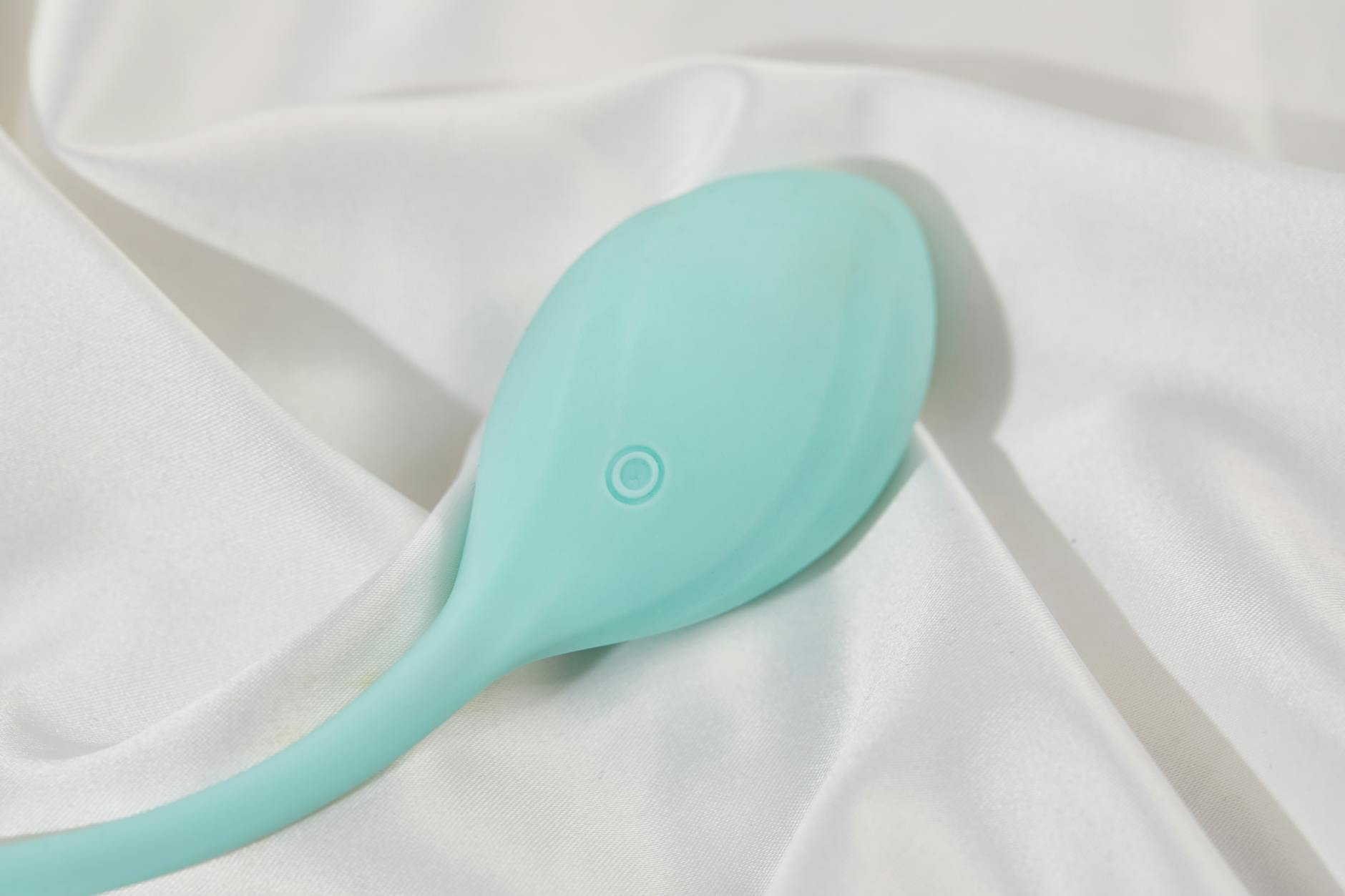
The question most of my clients ask at this stage isn't "Is this normal?" It's "How do I do this now?" Your body has changed since the last time pleasure was a priority. Your mind has definitely changed. A lemon clitoral vibrator, specifically designed to meet tissue with suction rather than direct friction, can be exactly the right tool for this transition. Here's how to use one thoughtfully.
Why desire returns in midlife (and what that actually means)
Let's start with the science, because understanding it changes how you approach pleasure.
In your fifties, testosterone levels have shifted, but they're still present. Estrogen is lower, which means less baseline arousal, but also less intrusive hormonal cycling. Your brain has processed decades of social messaging about what your sexuality "should" look like. Many people find that aged 50-plus, they can finally ignore that noise.
The real shift is psychological. You've survived enough disappointment to know what matters. You've likely spent years putting everyone else's needs first. Midlife desire often surfaces not as a hormonal spike, but as permission. Permission to want something for yourself again. Permission to be selfish about pleasure.
That permission doesn't always feel safe at first. Your body might not respond as quickly as it once did. You might feel self-conscious about the changes you see in the mirror. You might have a partner who didn't expect this shift, or you might be exploring solo pleasure for the first time in years.
All of this is normal. And all of it is worth taking seriously.
The physical reality: what's changed, what hasn't
Your clitoris still contains thousands of nerve endings. Your capacity for orgasm is intact. Your brain's pleasure pathways are fully functional. Those haven't aged.
What has shifted is the tissue surrounding and protecting those nerves. Estrogen supports skin thickness and elasticity everywhere, including your vulva. Lower estrogen means the tissue gets thinner and more sensitive. Direct vibration that felt perfect at 35 might feel too intense or uncomfortable at 55.
This is where the Lem's design becomes practical, not just pleasant. Suction-based stimulation (sometimes called "air-pulse" or "clitoral suction") works by creating gentle pressure waves rather than direct mechanical vibration. For midlife bodies, this often means you get intense sensation without the friction that can cause irritation or numbness.
You might also notice that arousal takes longer to build. Budget 15-25 minutes instead of five. Your pelvic floor has likely tightened over years of holding stress. Intentional relaxation, not just stimulation, becomes part of the pleasure process.
Starting solo: how to reintroduce yourself to your own pleasure
If you're returning to pleasure after years of deprioritizing it, solo exploration is the gentlest entry point.
First, get clear on the practical setup. A comfortable bed or couch, good lighting (so you can see what's happening), and time when you won't be interrupted. Not romance novel time. Real time. This isn't about mood lighting. It's about safety and focus.
Water-based lubricant is essential, even if you produce natural lubrication. The tissue is thinner, and any lube plus suction-based stimulation creates better sensation and prevents irritation. Silicone lubes feel richer, but they can degrade silicone toys. Stick with water-based.
Start at the lowest setting on your Lem. The device has multiple intensity levels for exactly this reason. Begin at pattern 1 or 2 and spend time exploring where the sensation feels good. Many people in their fifties find that lower settings provide more control and less overstimulation. You're not racing toward orgasm. You're listening to what your body wants.
Expect it to feel different. That's information, not failure. If something feels too intense, shift the position, move to a lower setting, or take a break. Your body will tell you what works if you're patient enough to listen.
When desire resurfaces in a partnership
If you're in a long-term relationship, your partner might not expect this. Some people respond with enthusiasm. Others feel caught off guard. Both reactions are human.
The conversation matters more than the toy. "My body is waking up again" is a different conversation than "I want us to reconnect." Don't collapse them. Have the first conversation alone, internally. Explore your own body. Understand what you want. Then, from a place of clarity rather than need, invite your partner into the second conversation.
Some couples find that introducing a lemon clitoral vibrator into partnered sex helps bridge the arousal gap. Your body might need 20 minutes of direct clitoral stimulation before penetration feels good. A partner with a vibrator in hand can provide that stimulation while you focus on connection and presence. That's not a problem to solve. That's a logistics detail to choreograph.
Others find that solo pleasure and partnered sex are completely separate. That's equally valid. You're not obligated to perform arousal. You're allowed to want things that don't involve another person.
The emotional piece nobody talks about
Rediscovered desire in your fifties often arrives tangled with other feelings: grief for years you spent not prioritizing pleasure, anger at messages that told you this wasn't important, guilt if your desire doesn't match your partner's timeline, or confusion because wanting feels unfamiliar.
You might use a lemon clitoral vibrator and feel nothing for three sessions, then have an unexpectedly intense experience on the fourth. That's not the toy failing. That's your nervous system slowly trusting that pleasure is actually allowed.
Give yourself permission to feel whatever arises. Pleasure in midlife is rarely just physical. It's wrapped up in identity, permission, and what you believe you deserve. If you find yourself stuck, <a href="/contact">reaching out to a therapist or coach who specializes in midlife sexuality</a> can help untangle the emotional knots.
Common questions as you return to pleasure
Will it feel numb if I use a vibrator regularly? No. Numbness comes from prolonged direct pressure on the same spot, usually with traditional vibrators. Suction-based devices like the Lem distribute sensation differently and are less likely to cause desensitization, especially at lower intensities.
What if my partner doesn't want me using a toy? That's worth exploring separately. A toy isn't a threat. It's a tool for your own pleasure. If your partner feels threatened, the conversation is about insecurity or control, not the vibrator. <a href="/blog/lemon-vibrator-with-partner-communication">That's a conversation worth having directly</a>.
Is it normal to feel self-conscious at first? Completely. You've spent decades in a culture that doesn't celebrate female sexuality in your age range. That messaging doesn't disappear overnight. Use the toy alone first. Let pleasure become familiar in private. Partner involvement comes later, if at all.
How long should a session last? As long as it takes. 10 minutes. 45 minutes. The goal isn't efficiency. It's presence. Stop when you want to stop, not when you think you should.
What if orgasm doesn't happen? Not every session leads to climax, and that's fine. Pleasure without orgasm is still pleasure. Sometimes the point is sensation. Sometimes it's reconnection with your body. Sometimes it's just remembering that you're allowed to want things.
When to talk to a healthcare provider
If you experience pain during stimulation, persistent vaginal dryness that lubricant doesn't help, or complete loss of sensation, see a gynecologist or menopause specialist. Genitourinary syndrome of menopause (GSM) is treatable, often with topical estrogen creams that absorb minimally into the bloodstream.
If you're on antidepressants or blood pressure medication that affects arousal, that's worth discussing too. Sometimes dosage adjustments or timing changes help. Sometimes you need different tools. Always ask.
The truth about desire in your fifties
Desire doesn't disappear. It gets quieter, muffled under decades of other priorities. Then one day you remember it. And remembering changes things.
Your body in your fifties is not the body you had at 25. It's more capable than you think. It knows what it wants if you listen carefully. A lemon clitoral vibrator, with its gentle suction technology, can help you hear that voice clearly.
You deserve this. Not as a consolation for aging. As a direct claim on pleasure that's entirely yours.
FAQ: Pleasure in Midlife
Does desire actually return stronger in your fifties than it was before?
Some people report their most intense desires of their lives arriving in their fifties and beyond. That's not universal. For others, desire is steadier and less desperate. The real difference is intentionality. Younger desire often feels like something happening to you. Midlife desire usually feels like something you're choosing.
Can I use a lemon vibrator if I haven't been sexually active for years?
Yes. Start slowly, use plenty of lubricant, and go at your own pace. Your body might feel unfamiliar. That's expected. Many people find that solo exploration is the gentlest way to reconnect.
What if I don't experience orgasm the first few times I use a lemon clitoral vibrator?
Orgasm isn't the goal. Sensation is. Connection is. Some bodies take time to remember what pleasure feels like. Patience matters more than performance.
Should I tell my doctor that desire is returning?
Only if it matters for your care. If you're on medications that affect arousal, or if you have pain or other physical changes, absolutely. Otherwise, your sexual life is your own.
Is it normal to feel guilty about wanting pleasure at this age?
Completely normal. You grew up with messages that told you female sexuality in midlife wasn't relevant. Those messages don't evaporate. Guilt is often just internalized cultural noise. It doesn't mean you're doing anything wrong.
How do I know if a lemon clitoral vibrator is right for me versus other toys?
Lemon vibrators (suction-based models) work particularly well for people with sensitive tissue, those who've experienced numbness with traditional vibrators, and people returning to pleasure after a long pause. If you're just starting to explore, <a href="/blog/lemon-clitoral-vibrator-beginners-guide-first-time">a beginner's guide to using a lemon clitoral vibrator</a> can help you decide.