Let's start with the thing nobody wants to admit
Stress doesn't just make you tired. It doesn't just make you irritable or give you insomnia or tank your immune system. Stress actively shuts down desire by flooding your body with cortisol, which suppresses the dopamine and testosterone your nervous system needs to feel aroused. Your body is working exactly as it should. The problem is that "should" doesn't match what you need right now.
Here's what I've seen in two decades of working with couples: the moment life gets demanding (new job, aging parents, kids, money worries, health stuff), sex becomes the first thing to vanish. Not because people stop loving their partners or stop wanting pleasure. They vanish because the stressed nervous system literally can't access arousal. Your brain is in threat-detection mode, and threat-detection mode doesn't have an arousal switch.
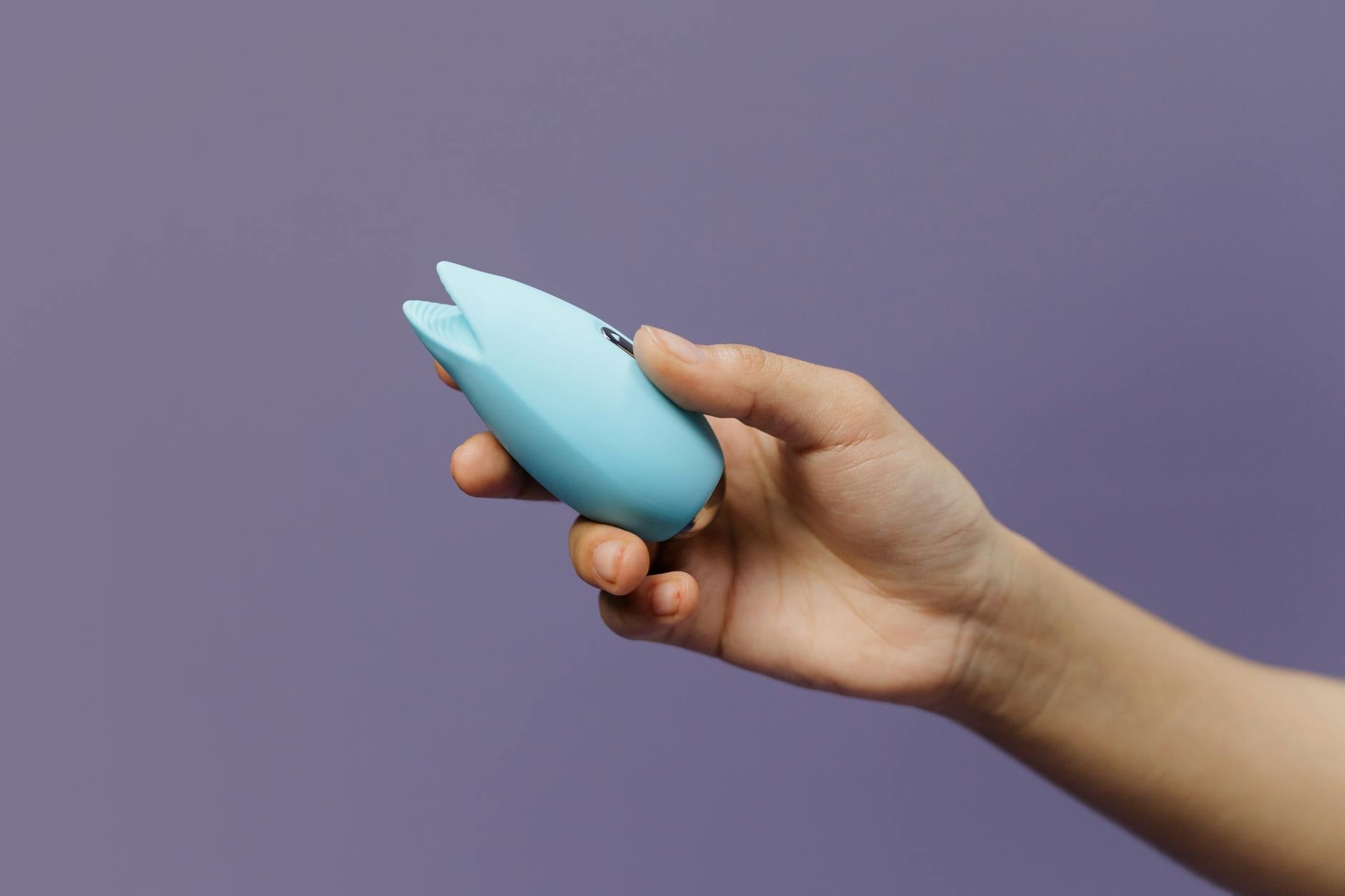
The good news is that air-suction lemon vibrators like the Lem aren't trying to override that. They're working with your stressed nervous system, not against it.
How stress actually kills libido at a physiological level
When you're chronically stressed, three things happen simultaneously.
First, cortisol stays elevated. This isn't the cortisol spike that normally helps you wake up or handle a deadline. This is baseline high cortisol, which suppresses reproductive hormones like estrogen and testosterone. Your body literally thinks it's in survival mode, and sex is a luxury resource.
Second, your vagus nerve loses its ability to shift between fight-or-flight and rest-and-digest. Think of your nervous system like a dimmer switch. Chronic stress jams the switch in the "on" position. Even when you sit down to have sex, your body is still half-scanning the environment for threats.
Third, your dopamine pathway narrows. Dopamine is what makes desire feel possible. Without it, sex feels like another item on the to-do list instead of something that feels genuinely good.
Here's what makes this different from situational stress (a rough week at work): chronic stress is relentless. Your nervous system never gets the message that the threat has passed. That's why willpower doesn't fix it. You can't think your way out of a dysregulated nervous system.
Why lemon vibrators work when stress is the culprit
Most vibrators ask your stressed body to chase sensation. They require you to build arousal gradually, escalate the stimulus, and push toward orgasm. When your nervous system is already in overdrive, that feels like more pressure.
Air-suction lemon vibrators work differently. Instead of friction or rumbly vibrations that require escalation, suction stimulates a deeper network of nerve endings without demanding that you generate arousal first. You don't have to feel turned on for it to work. That's the key difference.
When you're stressed, your clitoral tissue is often less sensitive because blood flow is diverted toward your major muscle groups and brain (part of the fight-or-flight response). The gentle suction from a lemon vibrator doesn't require the tissue to be engorged or highly responsive. It creates stimulation through air-pulse technology that works whether you're in a heightened state or not.
Second, suction-based stimulation often triggers what I call "surprise arousal." Because it feels different from what you might have experienced before, your brain gets curious instead of defensive. Curiosity is the first crack in the stress wall.
The framework for actually using a lemon sucker when life is crushing you
Let me be specific here, because vague advice doesn't help when you're stressed.
Step 1: Schedule it like a non-negotiable. Not because sex should feel mandatory, but because stressed brains don't spontaneously create space for pleasure. Put it in your calendar. Wednesday evening, 30 minutes. This signals to your nervous system that pleasure isn't an afterthought. It removes the decision fatigue of "should we, when should we." The structure itself is calming.
Step 2: Do a five-minute nervous system reset first. Before you touch the lemon vibrator, reset your baseline. This could be a walk, a cold-water rinse on your face, three minutes of box breathing (inhale for four counts, hold for four, exhale for four), or even a warm shower. You're signaling to your body that the "work mode" is over. The task isn't to get aroused. It's to shift your nervous system into a space where arousal is possible.
Step 3: Start with sensation, not performance. Use the Lem on the lowest setting. The goal isn't an orgasm. The goal is to notice what sensation feels like. Stressed nervous systems often numb out as a coping mechanism. You might feel very little at first. That's normal. You're reintroducing your body to pleasure. This is the groundwork.
Step 4: If an orgasm happens, great. If it doesn't, also great. This sounds contradictory but it's the opposite. The moment you add pressure to orgasm, you've recreated the stress response in miniature. Your sympathetic nervous system (fight-or-flight) kicks back in. Instead, the win is "I used the lemon vibrator and my body responded." That's the entire win. Orgasm is optional.
Step 5: Do it again. Nervous system regulation isn't one-off. It's cumulative. If you use a lemon clitoral vibrator once a week for three weeks, your baseline stress will already begin to shift. Your nervous system learns that pleasure is a predictable, safe part of your week.
The partner conversation when stress is tanking desire
If you're in a relationship, this part matters as much as the vibrator.
Stress-induced low libido is almost always misinterpreted as "you don't find me attractive" or "the relationship is dying." Neither is true. But if that story doesn't get corrected, it becomes true. Resentment builds. Your partner feels rejected. You feel guilt on top of the stress. The spiral gets worse.
Here's what actually needs to happen: separate the conversation from the problem. Say something like, "My stress is affecting my desire. This isn't about you or us. I'm working on it, and I'd like your patience while I do." Then use the lemon vibrator consistently for a few weeks, ideally when your partner knows you're doing it. Not as a secret. As a framework for reclaiming your own pleasure.
Many partners find this actually relieves pressure because it's not performance-based. You're not trying to jump to partnered sex. You're rebuilding your own nervous system's capacity for pleasure. That rebuilding often naturally leads back to desire with a partner, but the timeline is your body's, not the relationship's.
What changes when you stick with it
After three to four weeks of consistent use, most people report something specific: pleasure starts to feel possible again. Not forced. Possible. Your baseline cortisol drops slightly. Your dopamine pathway reactivates. Your nervous system learns that pleasure is a legitimate part of your routine, not something you have to earn or deserve.
One client told me, "The first week, I felt almost nothing. By week three, I realized I was actually looking forward to it." That shift from obligation to anticipation is huge. That's your nervous system recognizing that you're creating safety around pleasure, not adding more pressure.
Some people move from solo use with the Lem to partnered pleasure after they've rebuilt their own baseline. Others find that solo pleasure is enough and their stress level actually drops significantly once they've reclaimed that space. Both are fine. The point isn't to get back to some "normal" version of sex. The point is to create a sustainable relationship with pleasure that works within your actual life.
When to reach out for more support
If you've been using lemon vibrators consistently for six weeks and desire still hasn't budged, it might be worth checking in with a therapist who specializes in stress and intimacy. Sometimes the stress isn't just about external demands. Sometimes there's something deeper (past trauma, relationship dynamics, depression) that needs professional attention. Pleasure is a good starting point, but it's not always the whole answer.
You should also check with a doctor if your stress is accompanied by other changes: mood shifts, sleep disruption, appetite changes, or physical symptoms. Chronic stress can mask underlying health issues. A quick check-in rules out thyroid problems, vitamin deficiencies, or other things that tank libido independently.
But in most cases, when stress is the culprit, consistent use of air-suction lemon vibrators combined with nervous system regulation actually works. You're not fixing the stress itself (that's bigger). You're creating a protected space where your body can remember that pleasure exists, even when everything else is demanding your attention.
People also ask
How long does it usually take for stress-related low libido to improve with lemon vibrators?
Three to four weeks of consistent weekly use is typically when people notice a shift. Your nervous system doesn't recalibrate overnight, but it does respond relatively quickly to predictable, safe pleasure. By week six, most people report that desire is noticeably more accessible. If you're not seeing any change by then, the stress might be deeper than typical work or life pressure, and it's worth exploring with a therapist.
Can I use a lemon vibrator if I'm on antidepressants that affect libido?
Yes, and in fact, many people find that air-suction vibrators work better than other toys when antidepressants have dulled sensation. Why Lemon Vibrators Feel Better After Antidepressants Numb Sensation covers this specifically. The key is using the lowest setting first and being patient with sensation building. Your neurochemistry is working against arousal, so you're giving your body a tool that doesn't require as much biological activation.
Is it normal to feel nothing the first time I use a lemon sucker when I'm stressed?
Completely normal. When your nervous system is dysregulated, sensation awareness often narrows. You might feel very little at first. That's not a sign the vibrator isn't working. It's a sign your body needs a few sessions to reconnect. By the third or fourth use, most people start noticing sensation more clearly. You're not broken. You're just numb, which is your nervous system's way of protecting you.
Should I tell my partner I'm using a lemon vibrator to rebuild desire?
It depends on your relationship, but I generally recommend yes. Transparency removes shame and also removes the pressure of secrecy. You can frame it as, "I'm working on reconnecting with my pleasure during this stressful period. I'd like your support with this." Most partners are relieved because it's not about them. It's about you taking responsibility for your own pleasure. How to Use a Lemon Vibrator When Partners Have Mismatched Libidos has more specific conversation scripts.
Can stress-related low libido be permanent?
No. Low libido from stress is reversible because it's neurochemical and nervous-system-based, not structural. Once you reduce the stress and rebuild your nervous system's capacity for pleasure, desire typically returns. The timeline varies (weeks for some, months for others), but the fundamental wiring is intact. You're not broken. You're just temporarily dysregulated.
What if I have a partner but I'm too stressed to have sex together yet?
Start solo. Rebuild your own nervous system first. How to Use a Lemon Vibrator When You Feel Disconnected From Your Body walks through solo reclamation. Once you've spent a few weeks reconnecting with sensation on your own, partnered pleasure often flows more naturally. You're not avoiding your partner. You're creating a foundation that actually works.
The actual practical next step
Pick one night this week. Put it in your calendar. Plan five minutes of nervous system reset before, and then fifteen to twenty minutes with a lemon clitoral vibrator on the lowest setting. That's it. No orgasm required. No performance. Just you and sensation and your body learning that pleasure is safe again.
Stress didn't steal your capacity for pleasure permanently. It just pressed pause. This is how you press play again. If you want personalized support navigating stress and intimacy, reach out to our team at /contact. We're here to help.