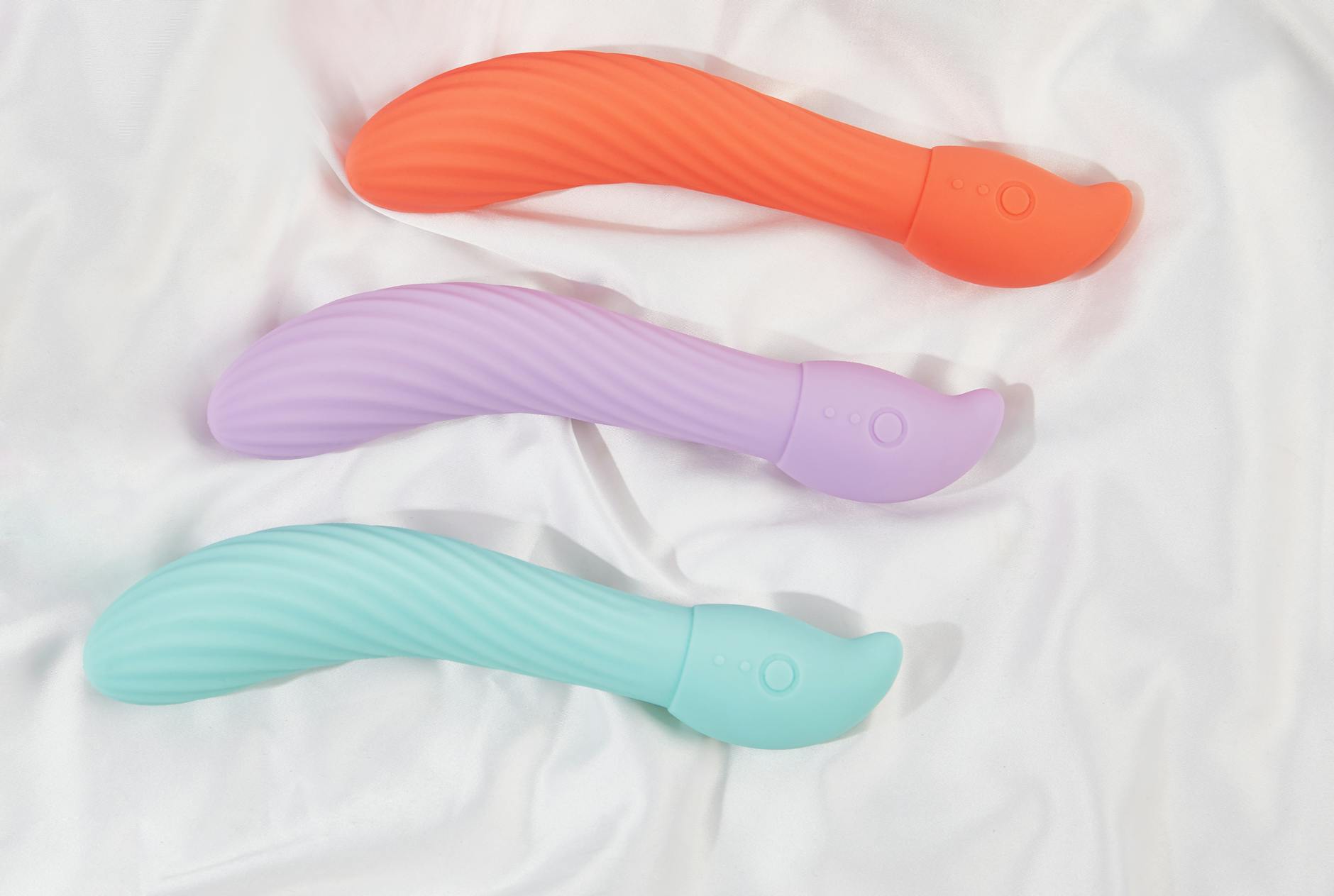
Here's what nobody tells you about vulvodynia and pleasure
Vulvodynia is chronic pain with no single cause. It's often dismissed, rarely understood, and deeply isolating. The part that makes it worse: most advice about returning to pleasure assumes your body works the way it did before the pain started. It doesn't.
But pain and pleasure aren't opposites. They share neural pathways. And with the right approach, a lemon clitoral vibrator can actually help rewire those pathways back toward sensation instead of protection.
Why suction-based vibrators work differently for vulvodynia
There's a critical difference between friction-based vibration and suction-based stimulation. Most traditional vibrators create intense friction against tissue that's already sensitized and defensive. That usually makes pain worse.
A lemon vibrator uses gentle suction instead. This creates a pulling sensation that bypasses the protective tension most vulvodynia sufferers carry in their pelvic floor. The Lem's suction patterns stimulate the clitoral nerves without the mechanical pressure that triggers your pain response.
Think of it this way: your nervous system is in protection mode. Friction says "keep defending." Suction says "you're safe to feel something else." That distinction matters neurologically.
Why your nervous system needs a reset, not punishment
Chronic pelvic pain rewires your nervous system. Your brain learns to predict pain during sexual touch, so your muscles tense automatically. This protective tension actually creates more pain. You're caught in a loop.
The goal isn't to push through pain or "desensitize" yourself through exposure. That's retraumatization, not healing. The goal is to introduce a new sensation the nervous system doesn't associate with threat.
A gentle lemon clitoral vibrator can be that reset signal. It's novel enough to break the pain prediction pattern, yet safe enough not to trigger the protective response.
Starting slowly: the four-week return protocol
If you've had vulvodynia for months or years, your body doesn't know that pleasure is still possible. You're not starting from zero. You're starting from a place of learned pain. That requires patience.
Week one: exploration without goal. Use your Lem on the lowest pattern (typically 1-3) for just two to three minutes, fully clothed or over underwear. No pressure to feel anything. The point is exposure, not sensation.
Week two: same duration, same intensity, but direct contact on the vulva without penetration. Still no pressure for arousal or orgasm. Your job is to notice what sensations appear without judgment.
Week three: extend to five minutes. Notice if any pattern feels slightly more comfortable than others. Stay on the gentler settings. Your nervous system is learning that this touch is safe.
Week four: you might try progressing to medium settings if week three felt genuinely okay, not just tolerable. But there's no timeline. Some people spend six weeks at low settings. That's not slow. That's smart.
The pelvic floor piece (this actually changes everything)
Vulvodynia almost always involves pelvic floor hypertonicity. Your muscles are clenched. That tension makes pain worse and blocks pleasure.
Before using your lemon vibrator, spend two minutes on breathing and release. Breathe in for four counts, out for six. With each exhale, imagine your pelvic floor softening like a flower opening. There's no "correct" way to do this, but the intention matters.
Some people find that lying on their back with knees bent helps the pelvic floor relax more easily. Others prefer side-lying. Find your position.
Once you're genuinely relaxed, then introduce the Lem. The suction will feel different against a relaxed pelvic floor than against tense muscles. You're more likely to feel actual sensation instead of just pressure.
When to use lubricant and why it matters for pain
With vulvodynia, lubricant isn't optional. It's protection. Water-based lube reduces friction even with a suction device, and it signals safety to your nervous system. It says "this is gentle and supported."
Use more than you think you need. Reapply every few minutes. This is especially true if you're on medications that affect lubrication, which many pain medications do.
Some people with vulvodynia find that certain lubricants (even water-based ones) irritate. This is worth tracking. Keep a simple note: which lubes felt okay, which felt off. Your body will teach you what it needs.
The emotional component (which is also neurological)
Pain changes how you relate to your body. You might feel anger at it, disconnection from it, or deep shame. That emotional distance makes pleasure harder because pleasure requires presence.
When you're using your lemon vibrator, the goal isn't sensation. It's reconnection. Can you notice what your body feels without judgment? Can you be curious instead of critical? That shift is neurological. It's also healing.
Many people find that using a Lem in solo exploration first makes partnered sex less fraught. You've proven to yourself that pleasure is still possible. You're not retraining your nervous system with an audience.
Red flags: when to pause and get support
If pain increases consistently across multiple sessions, stop. Pain is information. It's saying your nervous system isn't ready yet, and that's okay.
If you notice burning, sharp stabbing, or pain that radiates, contact a pelvic floor physical therapist who specializes in pain. Vulvodynia often responds well to pelvic floor therapy, and a specialist can tell you exactly when introducing a lemon vibrator is safe for your specific presentation.
If you're having panic or dissociation during use, that's also a signal to pause. Your nervous system is overwhelmed. Work with a trauma-informed therapist before continuing.
What makes this different from how most people use clitoral vibrators
Most guides assume your body responds predictably to stimulation. Yours doesn't. Vulvodynia changes the rules. The intensity levels that feel right for most people might feel wrong for you. The duration that works might be three minutes, not 15.
That's not a limitation. It's just your specific map. The Lem's adjustable pattern settings let you find your actual sweet spot instead of forcing yourself into a standard rhythm.
Many people with vulvodynia report that once they find the right setting and approach, orgasms become not just possible but deeply relieving. It's like a pressure release that your nervous system has been waiting for.
The bigger picture: pleasure as nervous system healing
Vulvodynia is a pain condition. Using a lemon vibrator isn't about ignoring the pain. It's about teaching your nervous system that sensation and safety can coexist. That's neuroplasticity. That's actual healing.
This takes months, not weeks. But it works. Your body wants to feel good. Sometimes it just needs the right signal to remember how.
If you're navigating vulvodynia alongside a partner, consider reading about how lemon vibrators help rebuild intimacy after relationship trauma, which covers communication around changed sensation. And if you're managing multiple health impacts on desire, using a lemon vibrator with reduced libido from stress walks through similar pacing strategies.
Frequently asked questions
Can you use a lemon vibrator if you have active vulvodynia pain?
It depends on your specific pain pattern and severity. If you're in an acute flare, any new stimulation might feel too intense. But during baseline pain (the level you manage day to day), many people find gentle suction helpful. Start with the Lem on its lowest setting, fully clothed, for one to two minutes. If pain increases immediately, wait a week and try again. If it stays the same or decreases, you're on the right track. Talk to your pelvic floor specialist before starting if your pain is severe.
Does the suction from a lemon clitoral vibrator make vulvodynia worse?
Not for most people, because suction works differently than friction. Traditional vibrators intensify the friction that triggers pain response. Suction creates a pulling sensation that many people with vulvodynia find less triggering. That said, everyone's nervous system is different. What helps one person might feel wrong for another. Start at the absolute lowest setting and treat it as an experiment, not a commitment.
How long does it take to rebuild pleasure with a lemon vibrator if you have chronic pelvic pain?
There's no standard timeline. Some people notice improvement in two to three weeks. Others take two to three months. Recovery isn't linear. You might have sessions that feel great and then sessions that feel off, even if nothing external changed. That's normal. Your nervous system is learning. What matters is consistency and patience, not speed.
Should you use numbing cream before using a lemon vibrator with vulvodynia?
No. Numbing cream masks sensation without healing the underlying nervous system dysfunction. You want to feel what your body can feel, not block sensation. If pain is severe enough that you're considering numbing, work with a pelvic floor physical therapist first. They can help reduce the pain itself, not just cover it up.
Can you have an orgasm with vulvodynia using a clitoral vibrator?
Yes. Many people with vulvodynia do have orgasms, especially once their nervous system learns that this type of stimulation is safe. Orgasms with vulvodynia might feel different than they did before. They might be more concentrated, or take longer to build, or feel like a gentle release instead of an intense peak. That's still an orgasm. That's still pleasure. Your body knows how to have sensation. Sometimes it just needs time to trust it again.
What if nothing is working with your lemon vibrator and vulvodynia?
First: it's not you or your body. Some people need more nervous system work before vibration helps. Pelvic floor physical therapy, somatic therapy, or trauma-informed therapy can be foundation work. Once your nervous system is less defensive, introducing a lemon vibrator often shifts the whole experience. You might also explore whether a different tool (like the Berri for lighter suction, or the Avocado for a broader surface) feels better. Your Hello Nancy products have different patterns and intensities. Sometimes the right tool just needs to match your specific pain map.
You belong in pleasure, even with pain
Vulvodynia is real, and it's not your fault. But it also doesn't get the final word on your sexuality. Your nervous system can learn that pleasure is possible again. It just needs the right support, the right pace, and the right tool.
A lemon vibrator isn't a cure for vulvodynia. But for many people, it's a bridge back to a part of themselves that pain tried to take. That matters. You deserve to feel good.