The thing nobody tells you about the empty nest
Your kids leave and the house gets quiet. You look at your partner across the dinner table and realize you haven't actually been alone together in years. Not in a way that mattered. Bedtime routines, school pickups, and the simple exhaustion of raising humans have spent 20 years between you like a polite third roommate.
This is where most couples get stuck. Not because they stopped loving each other, but because they stopped knowing how to want each other.
Why empty nest bodies feel foreign
Two decades of parenting doesn't just steal your time. It changes your body. Your nervous system has been in low-grade emergency mode for 20 years. Your pelvic floor is tighter than it should be. Your baseline cortisol is still elevated even though the actual chaos has stopped. And if you haven't prioritized sexual touch, your ability to become aroused can feel sluggish, or disconnected, or just plain absent.
For many of my clients, pleasure feels like a language they used to speak fluently but haven't practiced since their twenties. The neural pathways are still there, but they're dusty.
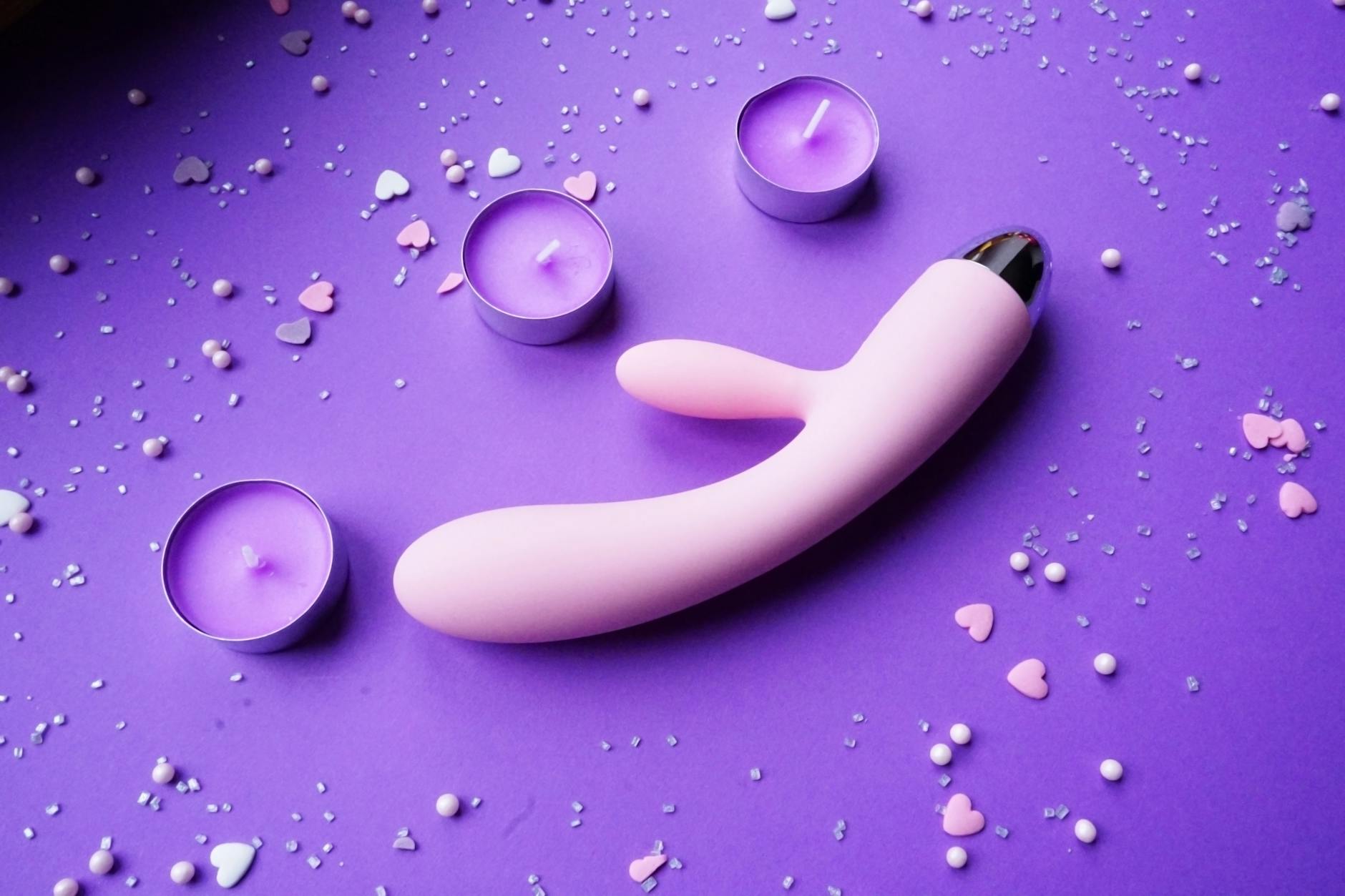
There's also a real physical dimension. People who menstruated for 20 years while managing a household and a career often find that their bodies have absorbed that constant state of low-level activation. The clitoris and surrounding tissue need intentional stimulation to wake back up. A lemon clitoral vibrator isn't a workaround for broken hardware. It's a tool that speaks directly to the nervous system in a language your hand alone might not reach after decades of dormancy.
The conversation before the vibrator
Here's what doesn't work: bringing home a lemon vibrator (or any sex toy) and leaving it on the nightstand as a surprise. I've watched couples turn a well-intentioned Hello Nancy product into a source of hurt because they skipped the actual talking part.
What does work: one of you saying something like "I miss us sexually. I want to rebuild that. I'm thinking about ways to make it easier for my body to reconnect." That opens a door. You're not criticizing your partner's performance. You're not saying the relationship is broken. You're saying "my body needs something different now."
Then you can talk about tools. About a lemon vibrator specifically. About what might feel good, what feels scary, what you both want the experience to be.
Most partners are relieved. They've been waiting for permission to want sex again too.
How a lemon vibrator reshapes the experience
A clitoral vibrator like the Lem works differently than manual stimulation or penetration. The suction and pulsation patterns activate nerve clusters that need a specific kind of attention to fire up again after dormancy. For partners who've been away from sexual activity, this matters.
It also changes the power dynamic in a useful way. Instead of the traditional model where one partner "does" and the other "receives," a vibrator becomes a third collaborator. You can use it together. Your partner can hold it. You can switch. Suddenly you're not performing for each other. You're exploring together, which feels radically different after 20 years of parallel exhaustion.
The physical sensation also bypasses some of the mental blocks that get in the way. If you've spent two decades telling yourself "I'm too tired," or "I don't deserve pleasure," or "my body isn't attractive anymore," a vibrator gives your brain something else to focus on besides the story you've been telling.
The actual logistics that matter
Timing is everything. Don't plan your first vibrator experience for when you're both depleted. Use a morning you both have free. Use a time when you're not touching your phones.
Start with lower intensity. If you're using a Hello Nancy lemon vibrator for the first time as a couple, begin on setting 1 or 2. The goal isn't maximum stimulation. The goal is waking up nerve pathways. Intensity can increase over months.
Use lubricant even if you think you don't need it. After decades of sporadic sexual activity, thinner tissue benefits from external lubrication. This isn't about you being broken. It's about being kind to skin that hasn't seen regular stimulation.
Give yourself at least 15 to 20 minutes of warm-up before introducing the vibrator. Kissing, touching, talking. Let your nervous system remember what arousal feels like before you add the tool.
Build in a conversation after, when you're both still present. "What felt good? What surprised you? What do you want to try next?" These debriefs matter because they keep rebuilding the emotional intimacy alongside the physical.
The emotional landscape you're navigating
When you reintroduce pleasure after two decades of parenting, you're not just restarting sex. You're renegotiating the relationship. You're saying "I want to be desired again." You're saying "My pleasure matters." You're saying "We're not just co-managers of a household anymore."
For some couples, this is joyful. For others, it stirs up old patterns. Maybe one partner feels rejected because the other wants to use a vibrator. Maybe there's shame about your body after 20 years. Maybe there's resentment about who sacrificed what during the parenting years.
A clitoral vibrator won't fix relational resentment. But it can be a bridge back to the conversation. It gives you permission to say "I want us to matter again. Sexually. Emotionally. Together."
If you're hitting a wall that feels deeper than just "we're rusty," consider working with a couples therapist or relationship coach who specializes in mid-life reconnection. Sometimes the barrier isn't physical. It's relational, and it needs actual conversation, not just a product.
Practical patterns for different relationship dynamics
If one of you has significantly higher desire: use the vibrator as a bridge. The higher-desire partner doesn't initiate less. Instead, you're both using a tool that makes pleasure more accessible for the lower-desire partner. Less pressure on them, more pleasure available.
If you're worried about performance anxiety: remember that a lemon vibrator isn't a reflection on anyone's skill. It's a tool. Same way a good knife doesn't mean the chef before was inadequate.
If you've been having penetration-focused sex and want to expand: a clitoral vibrator lets you experience pleasure outside that framework. For many couples rebuilding after years apart, this shifts the whole dynamic. It's not "foreplay leading to the main event." It's pleasure in its own right.
What changes when you actually commit to this
Most couples I work with report that within four to six weeks of consistent, intentional sexual reconnection, something shifts. Not just physically (though that happens). Emotionally, the relationship feels different. You're touching more. You're laughing more. You're more patient with each other's quirks because you're literally remembering why you liked each other in the first place.
A lemon vibrator doesn't create this change. But it makes the doorway easier to walk through when you're both ready.
The thing about pleasure in the second half
Your fifties, sixties, and beyond don't have to be a footnote to your sexual story. Some of the most intense, uninhibited sex happens after the parenting years are done, when you've stopped performing and started actually being present.
Clitoral vibrators, clear communication, and permission to prioritize pleasure create the conditions for that to happen. You've earned the quiet house. You might as well enjoy it together.
People also ask
How do I bring up using a vibrator with my partner without seeming like I'm unhappy with them?
Frame it around what you want, not what's wrong. Try: "I've been thinking about us reconnecting sexually. I found this tool that might help my body wake back up after a long pause. Would you be open to exploring that together?" You're not criticizing their touch. You're inviting them into a shared experiment. Most partners feel grateful for the invitation.
Will a lemon vibrator make my partner feel threatened or inadequate?
Some partners initially feel that way, but it usually passes once they understand the tool isn't about replacing them. It's about augmenting. In fact, many partners become enthusiastic collaborators once they realize they can participate in a different way. You're not doing it to them. You're doing it with them.
How often should we be using a vibrator after reconnecting?
There's no prescription. Some couples use it every time. Some use it once a week and touch manually the rest of the time. What matters is that it's intentional and consensual, and that you're both enjoying it. Let desire lead, not obligation.
What if one of us isn't interested in pleasure right now?
That's real and worth honoring. But also worth exploring. Is it exhaustion? Is it unresolved resentment? Is it a medication side effect? Is it low confidence in how their body looks now? Different blocks need different solutions. Sometimes it's a conversation. Sometimes it's working with a therapist. Sometimes it's just time. But naming it beats ignoring it.
Is it weird to start using a lemon vibrator in your fifties or sixties?
Not even slightly. In fact, many of my clients report that their first vibrator experience happens in their fifties, after kids leave or after they've committed to prioritizing themselves. You're not discovering something new. You're reclaiming something you deserve. The timing is perfect because you finally have space to enjoy it.
Can we use a vibrator if we're not sure our relationship is still working?
Maybe. A vibrator can be a conversation starter, but it won't fix broken trust or unaddressed conflict. If you're genuinely questioning the relationship, that's the conversation to have first. Once you're both committed to rebuilding, a tool like a lemon clitoral vibrator becomes useful. But it's never the first step.
Where to go from here
If you're ready to reconnect sexually after the empty nest transition, start with the conversation. That's always first. Then consider exploring together. A lemon vibrator from Hello Nancy is designed for exactly this moment. Solo pleasure and partnered pleasure feel completely different. This is your chance to discover what shared pleasure looks like now that you have the space to actually be present with each other.
If you're navigating bigger relational questions around desire, communication, or trust, reach out to a couples therapist or relationship coach who can help you rebuild from the ground up. You've made it through the hardest parenting years. The next chapter of your relationship deserves the same commitment.
For questions about products, safety, or care, visit our FAQs or contact us. You deserve pleasure. Your relationship deserves attention. Both are possible.