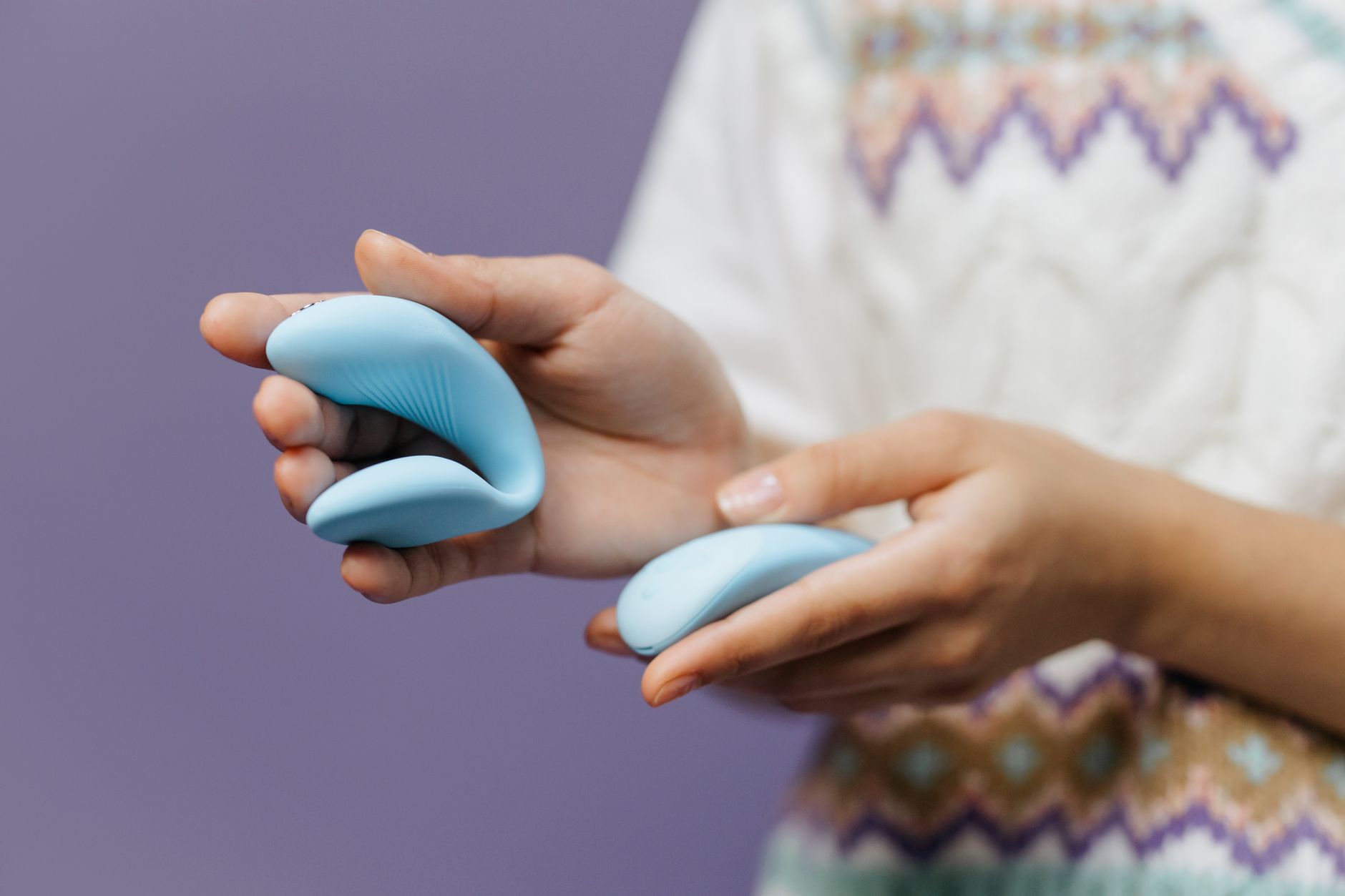
Let's talk about what miscarriage does to your body
Miscarriage is grief. It's also a physical event. Your body goes through hormonal shifts, cramping, bleeding, and tissue loss. Then the bleeding stops, the physical wounds heal, and everyone expects you to return to normal. Except your body remembers. Your nervous system remembers. Your relationship with sex, pleasure, and touch remembers.
Many people who have experienced miscarriage describe a disconnection from their body that lingers long after the physical healing is complete. You might feel unsafe in your own skin. You might feel angry at your body for "failing." You might feel like pleasure is frivolous when you're still grieving. Or you might feel numb to all of it. All of these are completely normal, and all of them are reasons why reconnecting with pleasure matters.
Why pleasure is part of healing, not a distraction from it
When you've experienced a loss tied to your reproductive body, reclaiming pleasure in that body is an act of radical self-compassion. It's not about "getting back to normal" sexually with a partner. It's about telling your nervous system: you are safe, you deserve sensation, and your body is worthy of pleasure.
Lemon clitoral vibrators work particularly well for this kind of reconnection because they use suction rather than vibration alone. The sensation is gentler and more diffuse than traditional vibrators. You can control the intensity precisely. And there's something psychologically grounding about a device that feels almost nurturing rather than aggressive. You're not proving anything to anyone. You're just listening to what your body is asking for.
The physical reality of reconnecting after miscarriage
Your body has been through trauma, even if the miscarriage was early and uncomplicated. Your pelvic floor might be tighter than usual, bracing against pain or fear. Your hormones are slowly stabilizing but haven't fully settled. Your vaginal tissues might feel more sensitive, drier, or tender than they did before. Your clitoris is still fully innervated and capable of pleasure, but your brain might not trust that yet.
When you first try reconnecting with lemon adult toys or any clitoral vibrator, start with the lowest settings. Your nervous system doesn't need proof of intensity right now. It needs evidence of safety.
Three practical adjustments for post-miscarriage reconnection.
Use lubrication even if you don't think you need it. Grief and stress dry the vagina. Water-based lube is your friend, not a sign that something's wrong. Apply it generously and reapply as needed.
Keep sessions short. Fifteen minutes is plenty. You're not chasing orgasm. You're practicing the sensation of feeling pleasure without pressure.
Start with external stimulation only. Don't progress to internal sensation until you feel genuinely curious about it. There's no timeline. Your body will let you know when it's ready.
The emotional piece that changes everything
Honestly, the physical technique matters less than your internal narrative. If you approach reconnection with self-judgment ("I should be over this by now") or with the goal of proving your body works, you'll stay stuck. If you approach it as an act of tenderness toward yourself, things shift.
Lemon sexual toys become tools for reparenting your own nervous system. Each time you use one gently and with permission, you're teaching your body that pleasure is safe again. That you trust it. That loss doesn't define it.
If you're partnered, this reconnection is first and foremost about you. Your partner can be involved eventually, but the initial journey is solo. You need to know your own body again before you share it.
When to involve a partner, and how
If you're in a relationship, your partner might be grieving the miscarriage too. They might be scared to touch you. They might be unsure what you want. The best move is a conversation that has nothing to do with sex. "I'm starting to reconnect with my own pleasure slowly. I might want your presence or touch eventually, but not yet. I'll let you know what I need." That's the whole script.
When you are ready for a partner to be present, that might mean they're in the room while you use a Lem vibrator and you share what you're feeling. Or it might mean they touch your hand or your hair while you explore. Or it might mean they simply listen to you describe the experience. Let curiosity guide this, not expectation.
The role of touch beyond the vibrator
While lemon clitoral vibrators are powerful tools, don't underestimate the healing power of other touch. Self-massage of your pelvic floor, your lower belly, your thighs. Warm baths. Your own hands. These aren't foreplay to sex. They're reconnection to your body as a source of comfort, not just sensation.
Many people find that a few weeks of this foundational touch work makes their first lemon vibrator experience significantly more pleasurable. Your nervous system relaxes. Your tissues warm and lubricate naturally. Your mind is actually present instead of spinning in worry.
How intensity settings work on your healing timeline
If you choose a lemon sucker like the Lem, you're working with 8-12 intensity levels depending on the model. Your reconnection timeline might look like this.
Weeks 1-2: Levels 1-3 only, 5-10 minutes max, focusing on sensation rather than climax. The goal is gentle stimulation that your nervous system can tolerate without triggering.
Weeks 3-4: Levels 3-5, extending sessions to 10-15 minutes if it feels good. You might notice pleasure building more easily. Orgasm might start feeling possible.
Week 5 onward: Play with the full range as your body opens up. Orgasm is a nice bonus but not the point.
This is approximate. Some people move faster. Some take months. There's no prize for speed.
What success actually looks like
Success isn't a specific sensation or a particular frequency. Success is feeling present during pleasure instead of dissociated. Success is noticing that your body is capable of sensation without self-judgment. Success is being able to touch yourself or be touched without flinching or tensing.
Some people rebuild their ability to orgasm quickly. Some take longer. Some discover that their orgasms feel different or less intense than before, at least initially. That's not failure. That's your body slowly re-learning how to trust pleasure after trauma.
Your sensitivity, your timeline, and your desires after miscarriage might never look exactly like they did before. That's not a loss. That's evolution.
When to talk to someone
If you're experiencing severe pain during or after any stimulation, stop and see a provider. Physical pain after miscarriage can signal that something needs attention.
If reconnecting with pleasure feels impossible weeks or months later, or if thoughts of the miscarriage intrude every time you try, talking to a therapist who specializes in pregnancy loss is genuinely valuable. There's no shame in that. Grief and trauma sometimes need professional support.
Your gynecologist or midwife should know you're working through this. They might have resources or referrals that help.
The bigger picture
Miscarriage doesn't erase your right to pleasure. It doesn't make your body broken or unsafe. It makes it human. Using a lemon vibrator after loss isn't about rushing past grief or proving anything. It's about slowly, gently, courageously telling your body: I see you. I trust you. You deserve pleasure. And I'm here for that journey.
People also ask
How soon after a miscarriage can I start using lemon vibrators or other clitoral vibrators?
Physically, most providers clear people for penetrative sex after bleeding has stopped, usually 2-4 weeks postpartum depending on the circumstances. External stimulation like a lemon clitoral vibrator can often start earlier if you're emotionally ready. Listen to your body. There's no rush.
Can using a vibrator after miscarriage cause physical harm?
No. Gentle external stimulation with a lemon sexual toy poses no physical risk once bleeding has substantially stopped. If you experience sharp pain, bleeding that returns, or unusual discharge, that's worth mentioning to your provider. But normal use of lemon adult toys is safe.
Will reconnecting with pleasure make the grief feel smaller?
Not directly. Pleasure and grief can coexist. Using lemon vibrators won't make you forget the loss, but it might help you feel more at home in your body, which makes carrying the grief easier. Grief gets smaller over time through processing, community, and sometimes professional support. Pleasure is a companion to that process, not a substitute.
What if my partner wants me to reconnect with sex faster than I'm ready?
Your timeline is the only one that matters. If a partner is pressuring you to be sexual before you're ready, that's a relationship issue separate from physical healing. Setting a boundary ("I'm not ready yet. I'll let you know when I am") is healthy. If they can't respect that, that's information about the relationship.
Should I use the same lemon vibrator I used before the miscarriage?
There's no rule either way. Some people find that using a familiar device helps them feel safe. Others prefer something new because it doesn't carry associations with the time before the loss. Pick whatever feels right. If you don't have a lemon clitoral vibrator yet, consider starting with one. The Lem is specifically designed for intuitive, gentle use.
Can I have an orgasm after miscarriage, or will my body feel too broken?
Your body isn't broken. Orgasm might take time to rebuild. You might need more stimulation, more time, or a different kind of touch. You might discover that orgasms feel different. All of that is normal. With patience and a tool like a lemon vibrator, most people regain their capacity for orgasm. The timeline varies, and that's okay.
If you're ready to explore reconnection at your own pace, reaching out to our team can help you find the right tool for your journey. The most important thing is remembering: your pleasure matters, your timeline matters, and you deserve gentleness as you heal.