Here's the thing about arthritis and pleasure
Arthritis changes your hands. It doesn't change what your body can feel. The gap between those two truths is where most people get stuck, thinking intimacy has to look the way it did before joint pain showed up. It doesn't. It just needs different tools.
Traditional vibrators require grip strength, wrist stability, and finger dexterity. Arthritis attacks all three. People with rheumatoid arthritis, osteoarthritis, or other joint conditions often stop exploring pleasure altogether because they assume the mechanics are impossible. But adaptive design exists for this exact problem, and lemon clitoral vibrators happen to solve it better than almost any other toy category.
Why lemon vibrators and air-suction devices change the game
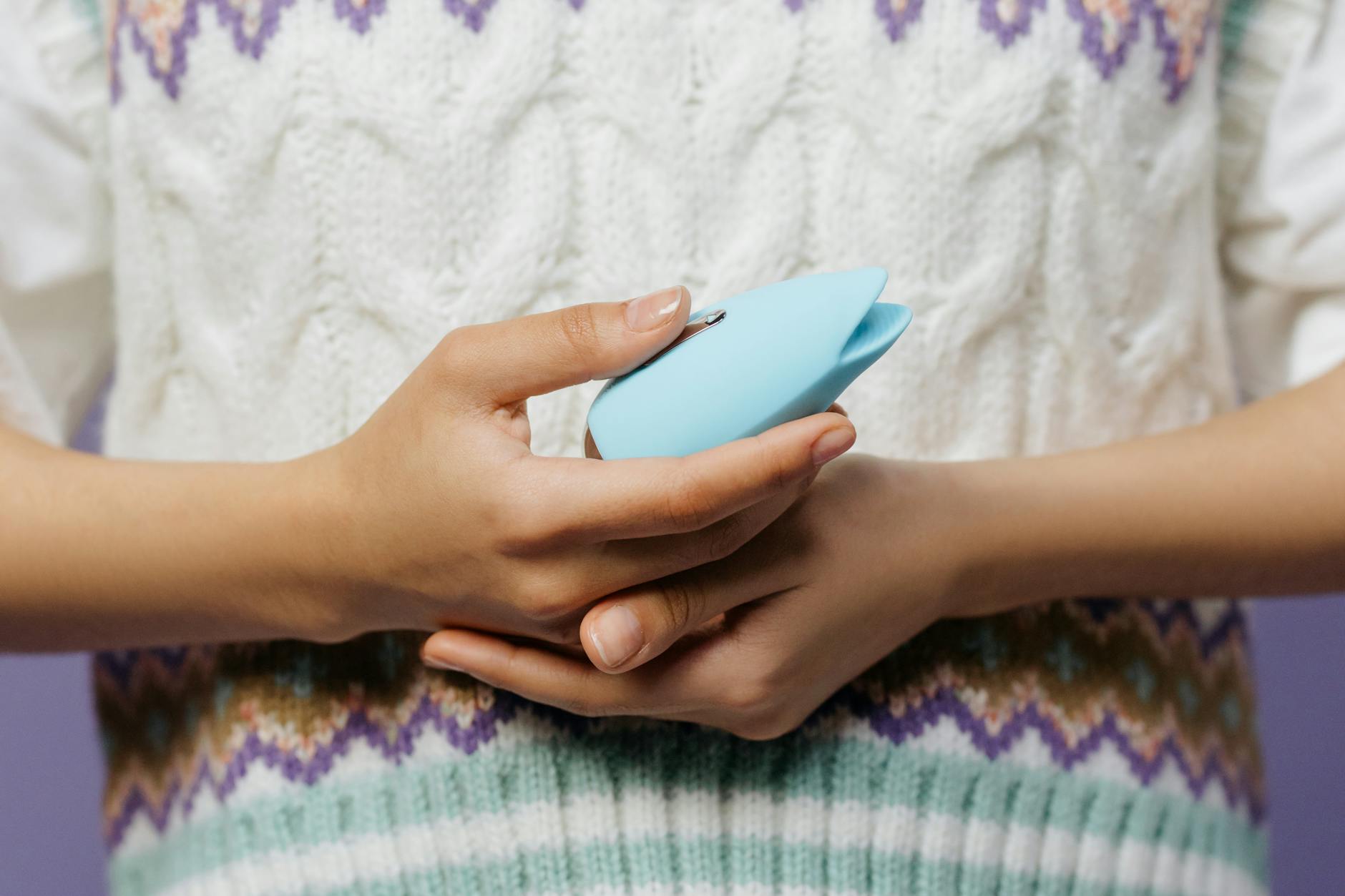
Unlike bullet vibrators or standard wands that require you to hold them in precise positions, lemon vibrators work through air-pulse suction. The lem, for example, uses gentle suction waves that stimulate nerve endings without needing constant hand pressure or complex grip patterns.
Here's what that means practically:
- You don't need to maintain a tight grip. Suction works even with a loose, open hand.
- The device rests naturally in your palm. No finger strength required.
- If your wrists are stiff, you can still angle it easily because the weight distribution is centered.
- You don't need to move it in patterns. Suction does the work; you stay still.
This is why I recommend lemon clitoral vibrators specifically for people managing joint pain. The engineering of air-pulse technology removes the demand for dexterity that traditional vibrators require.
Positioning strategies that protect your joints
Even with the right toy, position matters. Here are the adaptations I suggest:
If your hands are the issue: Place the lemon vibrator while lying on your back or side. Let gravity and the toy's design do the holding. Your hand stays relaxed on top. You're not gripping or pressing; you're just guiding.
If your wrists are painful: Don't angle the device upward. Let it rest flat against your body. The suction works at any angle, so there's no reason to create wrist strain.
If your shoulders or upper arms hurt: A partner can hold the vibrator for you. Many couples find this creates a different kind of intimacy. If you're solo, placing a pillow under your pelvis can angle your body so the toy rests without hand support.
If your knees or hips are stiff: Avoid positions that lock your joints in flexion. Lie flat or recline against pillows. Stay mobile. If something hurts, stop immediately and shift.
The warm-up phase is actually crucial
Arthritis stiffness means arousal takes longer to build. That's not a bug. It's information. I tell my clients that the warm-up phase is where the pleasure actually begins. This is especially true when you're managing joint pain.
Start with 15-20 minutes of: Partners can use hands, lips, or a second toy. Solo play can include fantasy, audio, or reading. The goal is to get blood flowing and your nervous system into parasympathetic mode (rest, pleasure, healing) before using the lemon vibrator.
Why this matters: Arousal naturally lubricates tissue and relaxes your pelvic floor. It also shifts your nervous system away from pain signal processing. You become less aware of joint discomfort because your brain is flooded with pleasure signals instead.
Starting with lower intensity is non-negotiable
Lemon vibrators typically offer 5-10 intensity settings. If you have arthritis, start at setting 1 or 2. This isn't about weakness. It's about sustainability.
Lower intensity:
- Requires less physical tension from your body
- Allows you to build arousal gradually (which feels better anyway)
- Gives you time to notice if any position is triggering joint pain
- Makes it easier to explore without fatigue
Many people with arthritis report that lower settings actually feel more pleasurable because they're not tensing against high vibration. You can stay relaxed, which means sensation penetrates deeper.
The lubrication piece (it's not optional)
Joint pain often comes with inflammation, and inflammation affects lubrication. Additionally, if you're taking anti-inflammatory medications or managing an autoimmune condition, natural lubrication can be compromised.
Use water-based lubricant every single time. Not out of obligation, but because:
- It reduces friction, which means less physical strain on your hand and arm
- It improves sensation, so you need lower vibration intensity
- It prevents micro-tears in sensitive tissue, which matter more when your immune system is already activated
Reapply halfway through if needed. Lube is not a failure. It's a tool that makes everything work better.
When to involve your partner (and how)
If you have a partner, this is worth discussing directly. Not as "my arthritis means you have to do this," but as "I want to find ways we can explore this together that work for both of us."
Partner-assisted use of a lemon clitoral vibrator often shifts the dynamic completely. They can hold the device while you focus only on sensation. This removes the grip and positioning demand entirely. It also creates a new kind of collaboration and presence.
The conversation might sound like: "I want to keep this part of our connection alive, and I've found that lemon vibrators work with my body better than other toys. I'd love for us to explore this together." That's radically different from apologizing for having a body with limitations.
Maintenance and cleaning (easier with arthritis in mind)
Traditionally, toy cleaning requires gripping and twisting. Not ideal when your hands are painful. Lemon vibrators have a huge advantage here: most are waterproof, fully submersible, and can be cleaned by simply running them under warm water and gentle soap.
No twisting required. No crevices that trap bacteria. Just rinse, dry, store. This is one of the reasons I recommend them to people managing arthritis. The whole experience, from use to cleanup, respects your body's actual limits.
When pain is the real issue (not just discomfort)
There's a difference between joint stiffness and pain during sex. Stiffness is manageable with positioning and patience. Pain is a signal to stop.
If using a lemon vibrator triggers actual pain in your joints, pause immediately. It might be position, intensity, or duration. It might be that this particular day your arthritis is flaring and gentle touch is all your body can handle.
There's no such thing as "pushing through" in pleasure. Your body deserves to feel good, and that includes the experience before, during, and after intimacy. Some days that's a full session with the lem. Some days it's five minutes of touching. Both count.
Why lemon vibrators are the adaptive choice
The design of lemon clitoral vibrators, particularly air-pulse models, removes the most common barriers that arthritis creates. You don't need grip strength, wrist flexibility, or fine motor control. You need intention and time.
Your pleasure matters. Arthritis is a real constraint on your body, but it's not a constraint on what you deserve to feel. The right tool changes everything.
People also ask
Can I use a lemon vibrator if I have severe arthritis in my hands?
Yes. Air-suction lemon vibrators require minimal grip strength. You can rest the device in an open palm or have a partner hold it entirely. The suction technology does the stimulation work, not your hands. If gripping is completely impossible, partner use or propping the toy against your body both work well.
Will using a vibrator make my arthritis worse?
No, not if you're using the right tool and positioning. Lemon vibrators designed for hands-free or low-grip use don't create the repetitive strain that traditional vibrators can. The key is avoiding positions that lock your joints in painful angles and listening when your body says stop.
How long should a session be if I have joint pain?
Start with 10-15 minutes and see how your body responds the next day. If there's no increase in pain or stiffness, you can gradually extend. Some people find that shorter, more frequent sessions work better than one long session. Your body will tell you.
Is it okay to use a lemon vibrator during an arthritis flare?
Depends on the flare. During active inflammation with significant pain, gentle touch or no sexual activity might be the right choice. During mild flares or stiffness without acute pain, lower intensity settings and extra lubrication often work fine. Check in with your body. If it hurts, it's a no.
Do I need to warm up longer if I have arthritis?
Yes, typically. Cold, stiff joints take longer to relax. A longer warm-up phase (20-30 minutes instead of 10) gives your nervous system time to shift into pleasure mode and your tissues time to become more supple. This also means you'll need less vibrator intensity to reach satisfaction.
Can my partner use a lemon vibrator on me if I have arthritis?
Absolutely. Many people find partner-assisted toy use eliminates the physical barrier entirely. You get to focus purely on sensation while your partner handles positioning and intensity control. This also deepens intimacy and communication, which matters in long-term relationships navigating health changes.