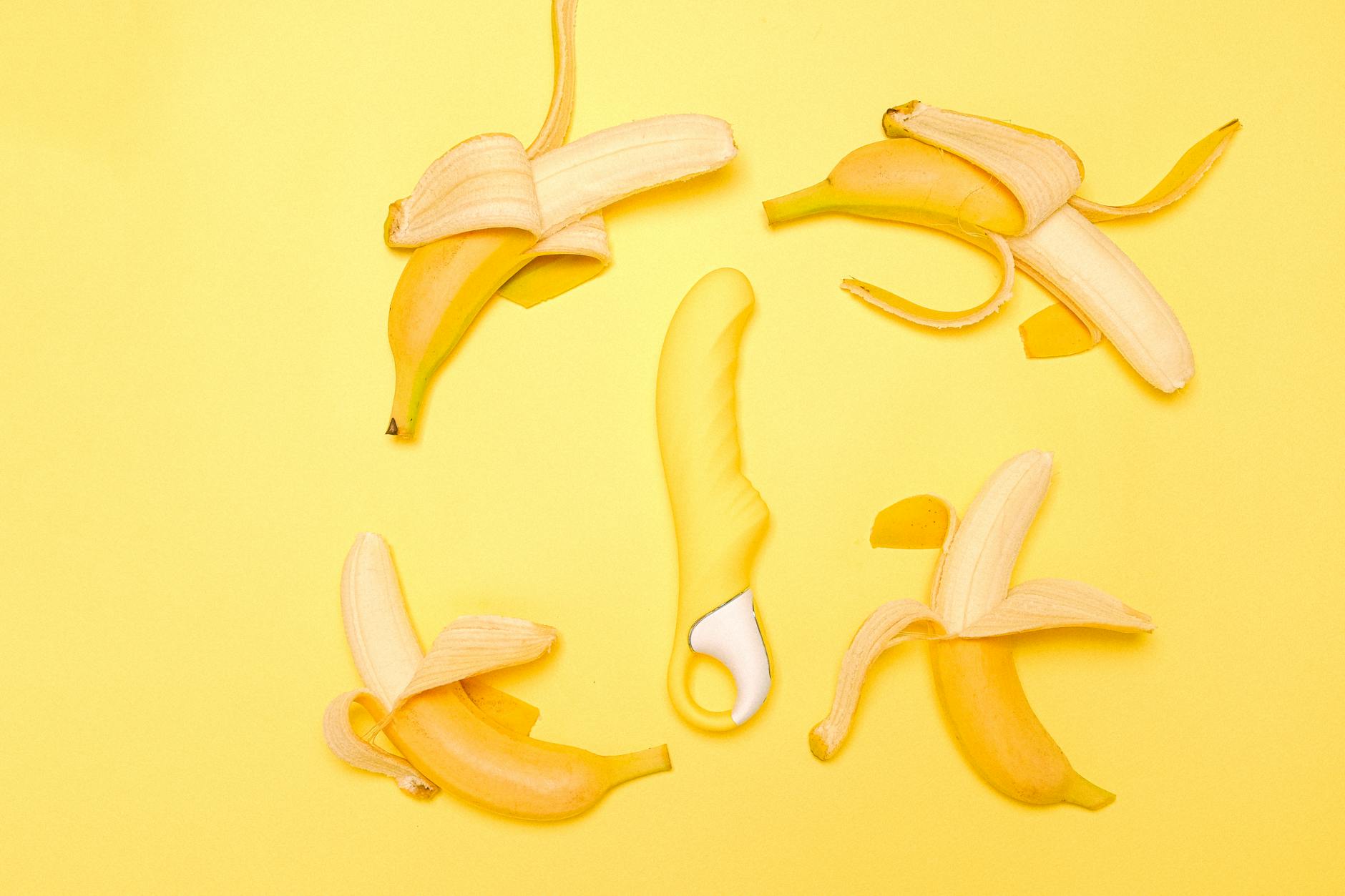
Here's what nobody tells you about vulvodynia and pleasure
Vulvodynia isn't a barrier to good sensation. It's a reason to get smarter about how you approach it.
For years, the medical establishment treated vulvodynia like a permanent "no." Don't have sex. Don't use tampons. Don't touch it. But that advice, while well-meaning, often makes the problem worse. When you avoid an area completely, your nervous system learns to protect it harder. The guarding intensifies. Pain becomes self-perpetuating.
What actually helps is the opposite: gentle, controlled, pleasure-based stimulation that teaches your nervous system that sensation in that area can feel good, not threatening. That's where lemon vibrators come in.
What vulvodynia actually is (and isn't)
Vulvodynia is chronic pain of the vulva with no clear infectious cause. It shows up as burning, rawness, stabbing sensations, or sometimes just persistent tenderness. Some people have localized provoked vulvodynia (pain only when the area is touched). Others have generalized unprovoked vulvodynia (constant baseline discomfort). Both are real, both are common, and both can improve dramatically with the right approach.
Here's the part that matters for pleasure: your clitoral nerves and your pain nerves aren't the same system. A lemon vibrator's suction-based stimulation can activate the pleasure pathway while bypassing much of the touch sensitivity that triggers pain. It's not avoidance. It's neurological strategy.
Why lemon vibrators work differently for sensitive tissue
Most vibrators use direct friction or percussion. That means they're putting consistent mechanical pressure on already-inflamed tissue. With vulvodynia, that's often the worst possible approach. Even a gentle buzz can feel intolerable because your nervous system is already in protection mode.
Lemon clitoral vibrators use gentle suction. No direct friction. No pounding. No pressure against raw tissue. Instead, they create a rhythmic pulling sensation that stimulates the clitoris without the contact that usually triggers pain. That distinction changes everything.
Think of it this way: if your vulva is in protection mode, suction whispers. Vibration shouts.
The three setup rules that matter most
Rule 1: Start with external stimulation only. If you have vulvodynia, the vestibule (the area between the inner and outer labia) is often the most sensitive zone. Keep the lemon vibrator on the clitoral area and upper vulva. Don't push toward the entrance. No internal contact until pain has reduced significantly.
Rule 2: Use a barrier if contact still feels risky. Some people with vulvodynia need a layer between the vibrator and skin. A thin cotton cloth, a menstrual disc, or even thin underwear can reduce sensory intensity while still transmitting suction. It sounds like it shouldn't work, but it does. Your nervous system settles faster when it feels some buffer.
Rule 3: Add external lubrication, even for suction. Water-based lube seems counterintuitive with a suction toy because you think it'll break the seal. It won't. What it does do is reduce friction during entry and exit, which matters when your tissue is reactive. Use it generously around the vulva, not inside the toy itself.
The desensitization sequence that actually works
Vulvodynia often involves a vicious cycle: you avoid touch because it hurts, your nervous system gets more protective, then when you do touch yourself, it hurts more. Breaking that cycle requires rewiring your nervous system's threat detection slowly.
Here's the sequence I recommend:
Week 1-2: Observation without pressure. Hold the lemon vibrator against your body without turning it on. Just presence. Let your nervous system see that this object doesn't equal pain. Five minutes, daily if you can.
Week 3-4: Pattern 1 only, two minutes max. Pattern 1 on a lemon vibrator is the gentlest setting. Turn it on, focus on breathing, let sensation be what it is. You're not trying to have an orgasm. You're teaching your body that this stimulation is safe.
Week 5-6: Extend to five minutes if comfortable. Still pattern 1. No pressure to escalate. If two minutes still feels intense, stay there. The goal is consistency, not progression.
Week 7+: Introduce patterns 2-3 or extended duration. Only if pattern 1 is feeling calm and borderline pleasurable. Your body will tell you when it's ready.
Managing flare-ups and knowing when to pause
Vulvodynia isn't linear. You'll have good weeks and difficult weeks. Hormonal shifts, stress, penetrative sex (if you're having it), even sitting position can trigger flares.
If you're in a flare, the lemon vibrator can actually help, but differently. Drop back to the observation phase. Hold it, don't activate it. The gentle pressure of having it there sometimes helps soothe the nervous system, even without stimulation.
If a flare is severe (sharp pain, burning that doesn't ease), take a break from the vibrator entirely for three to five days. Your nervous system needs a reset. This isn't failure. This is learning your cycle.
The partner conversation you can't skip
If you have a partner, they need to understand what's happening, not just that you're using a lemon vibrator, but why. Vulvodynia often makes people feel broken, and a partner's misunderstanding can intensify that.
The conversation sounds like: "My vulva has chronic pain. We're using a lemon vibrator because the suction doesn't trigger pain the way touch usually does. I need you to know this isn't about you, and it's not permanent. I'm retraining my nervous system." Full stop. Partner pressure, even well-meaning, often derails progress.
When to layer in pelvic floor work
Vulvodynia and pelvic floor dysfunction often live together. Your pelvic floor muscles are probably tensed right now, gripping in protection. That tension makes pain worse.
Once you're comfortable with pattern 1 of the lemon vibrator, you can start pairing it with pelvic floor release. When the vibrator is on, consciously relax your pelvic floor muscles. Soften your inner thighs. Release your glutes. This teaches your body that relaxation and pleasure can happen together.
If you're unsure about pelvic floor work, a pelvic physical therapist is worth the investment. They can identify whether your muscles are the issue and guide you through breathing and release techniques that pair beautifully with a lemon vibrator's gentle stimulation.
The timeline for real improvement
Vulvodynia doesn't heal on a two-week schedule. Real nervous system rewiring takes eight to twelve weeks of consistent, gentle practice. Some people notice shifts earlier. Others take longer. Both are normal.
What matters is that you're accumulating experiences where vulvar sensation equals safety and pleasure, not threat. That's what shifts the neurology.
A lemon clitoral vibrator is one tool in that process. Therapy, pelvic floor work, stress reduction, and sometimes topical medications are others. But the vibrator matters because it's the one thing you control entirely, at your pace, in your body.
FAQ: Vulvodynia, lemon vibrators, and pleasure
Can a lemon vibrator actually reduce vulvodynia pain over time?
Yes, but through nervous system retraining, not direct pain relief. Vulvodynia is partly a pain signaling problem. When you build positive associations with clitoral stimulation through gentle, pleasurable sensations, your nervous system gradually stops treating that area as a threat. That reduces baseline pain. It's not magic, and it takes consistency, but the evidence from pelvic physical therapists and sex therapists shows real improvement.
What's the difference between vulvodynia and vaginismus?
Vulvodynia is pain in the vulval tissues. Vaginismus is involuntary tensing of the pelvic floor muscles that makes any penetration difficult or impossible. You can have one, both, or neither. A lemon vibrator helps vulvodynia by bypassing friction. For vaginismus, it can still help because you're not triggering the reflex contraction, but pelvic floor physical therapy is usually essential.
If the lemon vibrator hurts, does that mean I shouldn't use it?
Not necessarily. There's a difference between "this feels uncomfortable because my nervous system is protective" and "this is sharp pain that makes me want to move away." The first sometimes requires pushing through gently, with the understanding that discomfort often eases in thirty seconds to two minutes. The second is your body saying no. Respect that. Dial it back or pause for a few days.
Can I use a lemon vibrator while having sex with a partner?
Absolutely, if you want to. Many people with vulvodynia find that clitoral stimulation during partnered sex reduces pain and increases pleasure. A lemon vibrator is especially good for this because it doesn't require added friction or positioning adjustments. You can use it during penetration, before, or as an alternative to penetration on difficult days.
How often should I use the lemon vibrator if I have vulvodynia?
Daily use during the first eight to twelve weeks is ideal for nervous system rewiring. After that, frequency depends on what feels good. Some people settle into 2-3 times weekly. Others use it daily forever. The key is that it should feel like a pleasure practice, not a medical chore. If you're dreading it, ease off and find a rhythm that feels sustainable.
What if I'm taking medications that affect sensation?
Medications like SSRIs, hormonal birth control, or antidepressants can change how your vulva feels and responds. If you've recently started a new medication and vulvodynia has gotten worse, mention it to your provider. But also, give the lemon vibrator extra time. Your nervous system is adjusting to a lot. The gentle, consistent practice of using one often helps even when medications are involved.
You're not broken, just learning a new language
Vulvodynia tells you that your nervous system is protective. That's information. A lemon vibrator is a way to have a conversation with that protection. It says, "This area can feel pleasure too. Not just pain. Pleasure." That conversation takes time, but it works.