Let's start here: routine sex isn't failure, it's a signal
When intimacy becomes predictable, most couples assume the spark is dead. It's not. It's sleeping. There's a difference. Predictability is efficient, sure, but it also numbs the nervous system. Your brain stops paying attention. Your body goes on autopilot. That's not passion fading. That's attention drifting.
Here's what I see in my practice: couples who introduce novelty—not drama, novelty—often report that the emotional reconnection comes before the pleasure does. A new sensation wakes up the part of your brain that had checked out.
Why routine sex feels emotionally flat (and what's actually happening)
When you have sex the same way, in the same sequence, at the same time each week, your brain's reward centers adapt. This is called hedonic adaptation. Dopamine drops. You feel less. Not because your body is broken or your desire is gone, but because your nervous system is bored.
Routine also creates a safety problem disguised as comfort. You know what's coming. That predictability kills anticipation, and anticipation is where a lot of the emotional charge lives. Without it, sex becomes a task on the checklist.
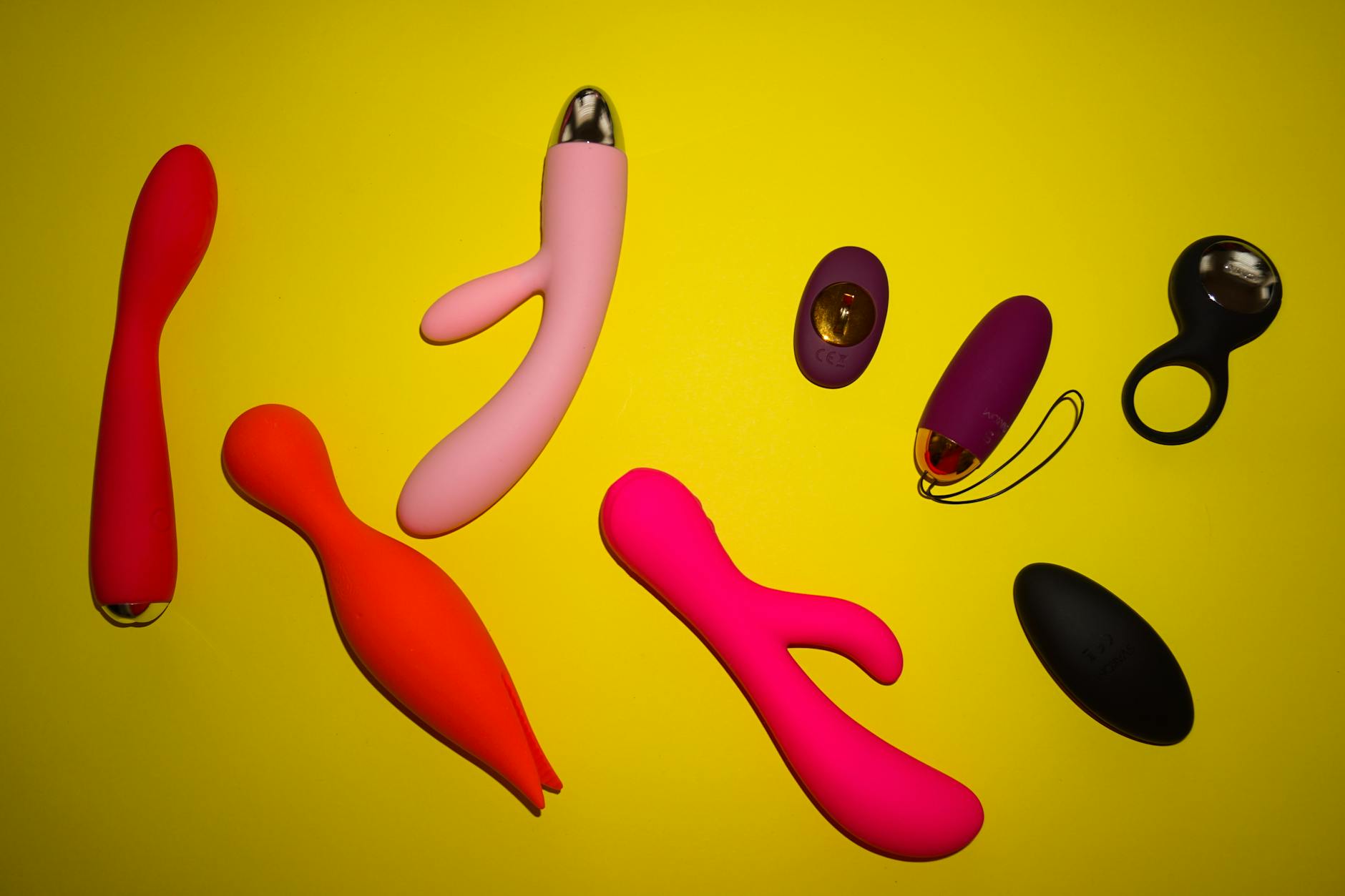
Adding an external stimulus—like a lemon clitoral vibrator—interrupts that pattern. Suddenly your nervous system has to pay attention. That attention is the first step back toward genuine connection.
The neuroscience of newness (and how toys fit in)
When you introduce something unexpected into familiar intimacy, three things happen neurologically:
First, your prefrontal cortex (the planning brain) quiets down because it can't predict what comes next. That's when your body's actual sensation centers light up instead.
Second, your dopamine system resets. Novelty triggers dopamine in a way routine never does. That's why new restaurants feel better than favorite ones, why a new playlist hits different. Novelty isn't shallow. It's how your brain knows something matters.
Third, oxytocin—the bonding hormone—spikes during novel shared experiences. So the reconnection isn't separate from the pleasure. It's embedded in it.
A lemon clitoral vibrator, specifically, works here because it's different from fingers or mouth in a way that's both immediately noticeable and deeply intimate. The suction-based stimulation activates different nerve endings than friction-based touch. Your body has to be present to register that difference.
How to use this strategically (without making it weird)
Here's what most couples get wrong: they introduce a toy as a solution to a problem, which loads it with pressure. "We never have good sex, so I bought this." That's a setup for disappointment.
Instead, frame it as exploration.
Start the conversation outside the bedroom. "I've been thinking about how we could try something new together. Not because anything's wrong, but because I miss that feeling of discovering each other." That's honest. That works.
Then, the first time you use it, slow everything down. Don't expect it to fix years of routine in one session. The point isn't instant fireworks. The point is novelty creating space for presence.
Here's a practical sequence:
Start with extended foreplay. Longer than you normally would. This isn't inefficiency. This is signaling to your nervous system that tonight is different.
Introduce the lemon vibrator when you're already aroused, not as the opening move. Anticipation builds when something new shows up after you've already started feeling something.
Hand it over. Let your partner hold it. Let them explore where and how they want to use it. This reverses the dynamic of routine sex where positions and pacing follow the same script.
Don't turn it up to high intensity right away. Start on pattern 1 or 2. The novelty alone is enough stimulation. You're rebuilding a connection to sensation, not chasing an orgasm.
Be present during it, not silent. Talk. React. Narrate what you're feeling. That presence is what reconnects you emotionally.
When routine sex is also a symptom of something bigger
I need to be clear here: a lemon vibrator is not couples therapy. If intimacy is flat because you're not talking outside the bedroom, because resentment has built up, or because one or both of you feels unseen in the relationship, a toy won't fix that. It'll just add novelty on top of disconnection.
But if the relationship is fundamentally sound and you've just fallen into predictable patterns, novelty works. It's that simple.
If you're unsure which camp you're in, ask yourself this: do you still want to be close to this person? If the answer is yes, a fresh approach to pleasure can help. If the answer is no or maybe, that needs a different conversation first.
The role of slowing down (which sounds counterintuitive but isn't)
Here's the paradox most people miss: you reconnect by going slower, not faster.
When routine sex happens, it often has a rhythm. Same pace, same duration. That rhythm becomes mechanical. When you introduce something like a lemon clitoral vibrator and deliberately slow everything else down, it forces your brain to pay attention to the contrast.
Longer foreplay. Longer eye contact. Longer pauses between touches. These create space for your nervous systems to synchronize again. That synchronization is what people actually mean when they say they've "reconnected."
The toy isn't doing the emotional work. Your presence is. The toy is just the permission structure to be present in a new way.
How novelty leads back to closeness (not just pleasure)
I've watched couples use toys as a reset button so many times. The first thing they report isn't "that felt amazing." It's "I remembered why I wanted to be with them." That's the real outcome.
Novelty doesn't last forever. That's not the point. The point is that novelty interrupts the autopilot and creates an opening for genuine presence. And presence is where intimacy actually lives. Once you've rebuilt that presence together, the novelty can fade and the connection stays.
So if you're considering trying something new with your partner, start here. Start with a conversation about wanting to feel close again. Then introduce the tool. Then pay attention to each other, not just the sensation.
That's how a lemon clitoral vibrator becomes about reconnection instead of just about pleasure.
FAQ
Can introducing toys actually help reconnect with a partner emotionally?
Yes. Novelty resets the nervous system and forces presence. When your brain has to pay attention to new sensation, it stops running on autopilot, which creates space for genuine connection. The key is framing it as joint exploration, not a fix for a broken relationship. If the foundation is solid but intimacy has become routine, toys work. If there's deeper disconnection, that needs to be addressed separately.
What's the best way to bring up using a lemon vibrator if we've never discussed toys before?
Start outside the bedroom, without agenda. "I've been thinking about ways we could feel closer and try something new together." Then listen. If your partner is nervous, that's normal. Reassure them it's about exploration, not performance. You might read about lemon clitoral vibrators together or watch content about them. Normalize the conversation before introducing the object. And choose a neutral moment, not when you're already trying to have sex.
How do I know if we're disconnected because of routine sex or because of something deeper?
Ask yourself: do you want to be intimate with this person? If yes, routine can be fixed with novelty and presence. If no, or if you're unsure, that's the real issue. Other signs of deeper problems include unresolved conflict, feeling unheard outside the bedroom, or one person initiating all the time and feeling rejected. Toys help with boredom. They don't fix contempt or emotional distance rooted in unmet needs.
Should I use a lemon vibrator during partnered sex or solo?
Both work. For reconnection, partnered use is more powerful because it's a shared novelty. One of you controls it while the other receives, then you can switch. That role reversal and mutual exploration rebuild connection. That said, solo exploration first helps you understand what feels good, so you're more confident explaining it to your partner.
If my partner is hesitant, what's the best way to move forward?
Don't push. Hesitation is data. Ask what they're worried about. Often it's fear of not measuring up or feeling replaced. That's worth addressing directly: "I love what we do together. I want to try something new because I want to feel close to you." Sometimes giving them a choice helps. Maybe they pick the toy. Maybe they control it first. Maybe you read reviews together. The process of exploring it together, slowly, can ease anxiety more than reassurance alone.
Can we use a lemon vibrator if one of us is less interested in sex right now?
That's delicate. If one partner's desire has dropped due to stress, medication, or life changes, a toy alone won't fix it. But reframing intimacy around presence rather than performance sometimes helps. Instead of "let's have sex," try "let's spend time being close and see what happens." Slower touch, longer foreplay, novelty through toys. These can ease the pressure and let desire return naturally. If the desire gap is wide and persistent, that conversation needs to involve both of you talking about what's changed and why.
References
Bartels, A., & Zeki, S. (2004). The neural basis of romantic love. NeuroReport, 11(17), 3829-3834.
Gottman, J. M., & Silver, N. (2015). The Seven Principles for Making Marriage Work: A Practical Guide from America's Foremost Relationship Expert. Harmony.
Kaplan, H. S. (1979). Disorders of Desire: The New Sex Therapy. Brunner/Mazel.
Redoute, J., Stoleru, S., Gregoire, M. C., et al. (2000). Brain processing of visual sexual stimuli in human males. Human Brain Mapping, 11(3), 162-177.