Here's what nobody tells you about sensation recovery
You mark a calendar. You finish a medication cycle, or you heal from surgery, or you work through therapy, and you think: okay, now pleasure comes back. But it doesn't always work that way. Sensation recovery is not linear. It doesn't follow the timeline your doctor gave you or the one you promised yourself.
This is where most people get stuck. They expect their body to cooperate on schedule, and when it doesn't, they assume something's permanently broken. It almost never is. What's actually happening is slower, quieter, and honestly requires more patience than anyone wants to admit.
Why sensation takes longer to return than you'd expect
There are a few layers to this. First, the physiological part. If you've been on medications that numb sensation, or you've experienced trauma, or you've had surgery, your nervous system doesn't just flip a switch when the cause is gone. Neural pathways that carried pleasure signals have been quiet. They need time to wake up.
Second, there's the psychological part. You've been living in a body that didn't feel good for weeks or months. Your brain learned to protect you by dampening sensation. That's a survival mechanism, and it doesn't disappear just because the threat is gone. Your nervous system is still in a low-hum state of caution.
Third, and most important: anticipatory anxiety. You've been waiting. You've been checking in with yourself, testing whether sensation is back yet. That checking itself becomes a barrier. The mind goes into performance mode. "Is it working now? How about now?" That's the opposite of what nervous system regulation needs.
The patience problem (and why it's actually the work)
I work with couples where one partner is waiting for sensation to return. The other partner is... also waiting. But they're waiting for different things. One is waiting for pleasure to come back. The other is waiting for sex to resume. These are not the same timeline, and the gap between them creates enormous pressure.
Here's what I tell them: the work isn't sensation returning. The work is learning to be intimate while sensation is still gone. Because that's the middle chapter nobody prepares you for. You're not sick anymore, but you're not back to normal yet. You're in the in-between.
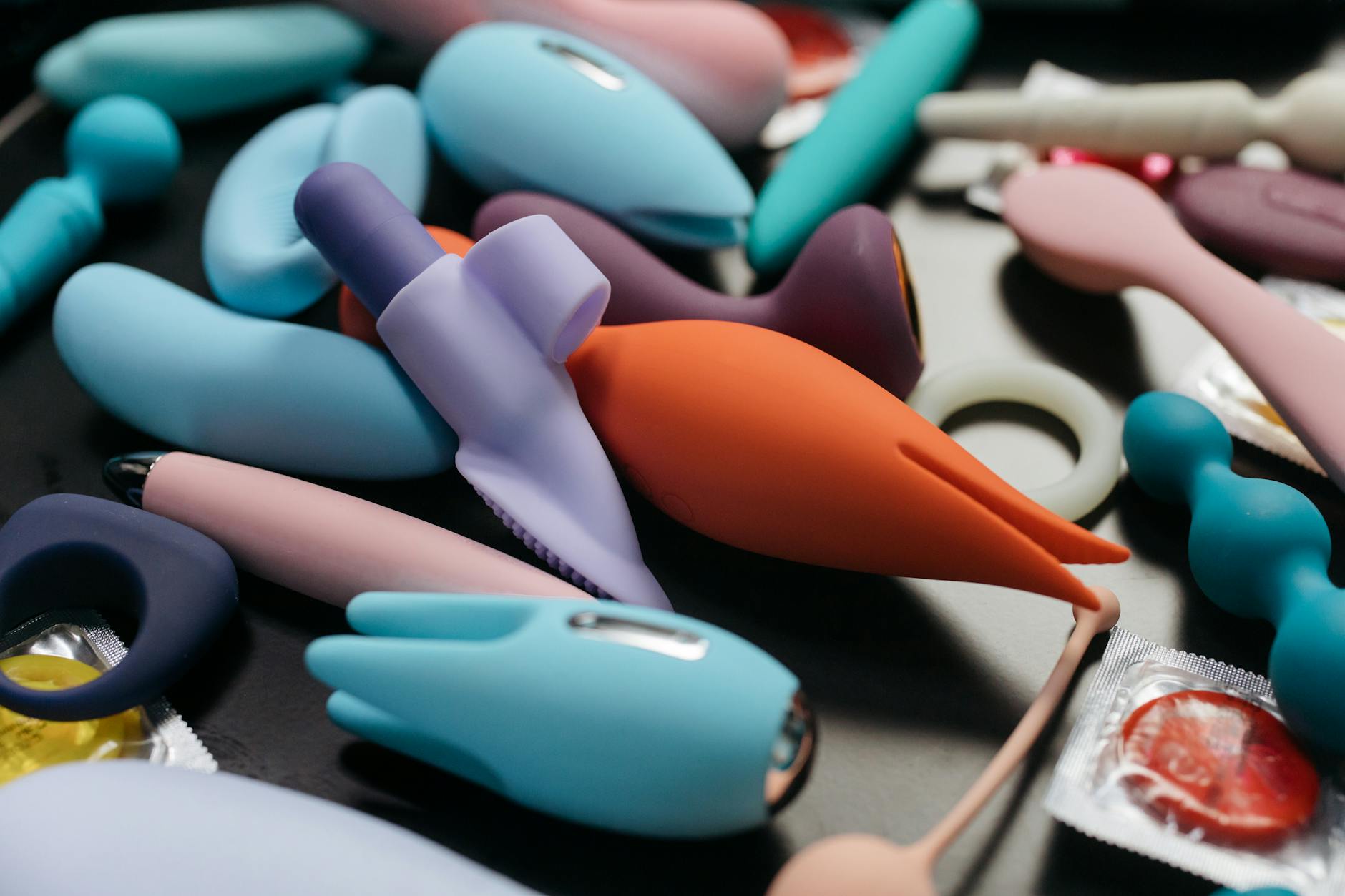
Lemon vibrators, and specifically lemon clitoral vibrators like the Lem, become tools for that in-between space. Not because they force sensation to return. But because they give you permission to explore without the weight of expectation.
How lemon vibrators help when you're in the slow lane
Think of a lemon vibrator as a different conversation with your body. Instead of "are you ready for penetrative sex yet," it's "what small sensations can we find right now."
Lemon sexual toys work differently than other vibrators. The suction-based stimulation on a clitoral vibrator like the Lem is gentler at lower intensities but more focused than broad vibration. This matters for two reasons:
First, precision. When sensation is muted, you don't need a toy that covers a wide area. You need one that targets the exact nerve cluster where sensation might be quietly returning. Starting at intensity 1 or 2 on a clitoral vibrator gives you that. You're not blasting numb tissue with vibration. You're listening.
Second, control. You can start for 30 seconds. That's it. No goal. No orgasm target. Just: does that feel like anything? Tomorrow you try 45 seconds. Next week, maybe you move to intensity 2. This isn't forcing. This is coaxing.
The actual rhythm that works
If you're using a lemon vibrator during slow sensation recovery, here's the tempo that makes sense:
Week 1-2: Introduction only. Use the toy for under one minute at intensity 1. Alone, with no partner pressure. Just getting reacquainted. You're mapping what you feel. Even if it's "I feel the vibration but I don't feel pleasure." That's data.
Week 3-4: Slightly longer sessions. Five to ten minutes at intensity 1-2. You might pair this with something that creates non-physical pleasure—a favorite song, a scent you love, a partner's hand on your arm but not on you. Pleasure is not all physical. It's actually mostly psychological.
Week 5+: Exploration. You might try intensity 3. You might involve a partner. You might realize that your pleasure is showing up in micro-moments instead of big waves, and that's actually fine. In fact, it might feel more textured than it did before.
The key: you're not chasing orgasm. You're chasing sensation. Then connection. Then, much later, pleasure as you remember it.
What partners need to understand during this timeline
If you're waiting for your partner's sensation to return, you're in a different kind of waiting. You might be grieving. You might be frustrated. You might have absorbed the belief that their body not working is somehow your failure.
It's not. Sensation recovery is their nervous system's timeline, not yours.
What helps: separate physical touch from sexual expectation. This sounds counterintuitive, but couples who do this actually rebuild pleasure faster. You can hold hands. You can cuddle. You can use a lemon vibrator together without it being foreplay toward anything else. It's just... you, together, exploring.
Most partners also benefit from a conversation about what "back to normal" actually looks like. Honestly, it often doesn't look the same as before. It might be better. It might be different. The person whose sensation is returning is rebuilding their map of their own body. That's an intimate process. They might need to do parts of it alone.
When to worry (and when not to)
If sensation hasn't budged in six months and nothing's changed, yes, talk to your doctor. There might be something you're missing—a medication adjustment, a pelvic floor specialist, a mental health professional who can help with the anxiety part.
But most sensation recovery takes longer than people expect and still happens. The brain is slow. Nervous systems are cautious. Your body is protecting you. That's not malfunction. That's actually wise design.
Here's the thing: some of the deepest pleasure experiences happen after recovery because you've had to learn your body again from scratch. You're not running on autopilot. You're present. You're listening. You're using tools like lemon adult toys intentionally instead of habitually. That changes things.
When to explore lemon clitoral vibrators in your recovery
You don't need to wait for full sensation to return. You can start gentle exploration whenever your doctor has cleared you for sexual activity. Even if sensation feels 10 percent of normal, lemon vibrators work for numbness because they're designed to be sensitive without demanding anything from your body.
If you're recovering from depression or trauma, adding a partner element can help—but only if you want it. Some people need solo exploration first. That's valid. You might find that rediscovering pleasure solo actually gives you better tools to bring to partnered sex later.
If pelvic floor tension is part of your recovery story, that's worth addressing separately, but a gentle lemon vibrator can help you notice what's tight versus what's numb. Awareness is the first step.
The meta-work underneath
What I've learned from decades of working with couples navigating slow recoveries is that the real work isn't physiological. It's psychological. It's grieving the timeline you expected. It's learning to celebrate small sensations instead of waiting for the big ones. It's communicating with your partner about something that feels shameful but isn't. It's using tools thoughtfully instead of avoiding them.
A lemon vibrator is one small part of that. It's permission. It's evidence that your body is still capable of sensation, even if sensation is quiet right now. It's proof that you don't have to wait for everything to be normal to start exploring.
Sensation comes back. It usually comes back. But it comes back on a schedule you can't predict. The work is building a life in the in-between while you wait.
People also ask
How long does sensation recovery typically take after medication changes?
Sensation recovery after medication changes usually takes 4-12 weeks, but that's a wide range. Some people notice shifts in 2-3 weeks. Others take 4-6 months. The timeline depends on how long you were on the medication, your individual neurobiology, and whether you're managing the psychological component (like performance anxiety). Check in with your doctor if you're past the typical window and nothing's shifted—there might be adjustments worth trying.
Can I use a lemon vibrator if sensation is completely numb right now?
Yes. Start at the lowest intensity on a clitoral vibrator and use it for very short periods—30 seconds to one minute. You're not expecting pleasure. You're mapping what's there. Even if you feel only vibration and no sensation in the tissue itself, that's information. Some people find that gentle suction-based stimulation on a lemon clitoral vibrator actually helps wake up numbness faster than waiting alone, though there's no guarantee.
Should my partner be present during sensation recovery, or should I explore alone first?
There's no universal answer. Some people feel safer exploring alone first, then bringing a partner in. Others find that partner presence and support makes them feel less isolated during recovery. Talk about what you need. One good option: solo exploration with a lemon vibrator first, then partnered exploration if and when you want it. You set the pace.
What if I'm using a lemon vibrator and sensation feels worse instead of better?
Stop and give yourself a break. Sometimes stimulation triggers protective tension instead of opening sensation. This is your nervous system saying "not yet." Back off for a few days or a week, then try again at lower intensity or for shorter duration. If it keeps triggering discomfort, check with a pelvic floor physical therapist. Tension sometimes needs specific work before vibration helps.
Does sensation recovery happen faster with partner support?
Not necessarily faster, but often smoother. Pressure from a partner to speed up can actually delay recovery because it adds anxiety. What helps more is a partner who understands the timeline is unpredictable and who's willing to be intimate in non-sexual ways while you wait. If your partner understands that sensation recovery is their job, not both of yours, that takes off a huge amount of pressure.
Is it normal for sensation to return in patches instead of all at once?
Completely normal. Most people don't get back a full sensory map overnight. They get a little here, a little there. Maybe you notice clitoral sensation first but vaginal sensation takes longer. Or vice versa. Or arousal comes back but orgasm takes months more. Patch-by-patch recovery is actually more common than sudden full restoration. It can feel frustrating, but it's not a sign something's wrong.
Get support while you wait
Sensation recovery is lonely because you're doing it in private, with your body, and there's not much to show for months of work. If you want to talk through your specific situation—whether it's medication adjustment, pelvic floor issues, relationship timing, or just the psychological part of waiting—reach out. That's what I'm here for.