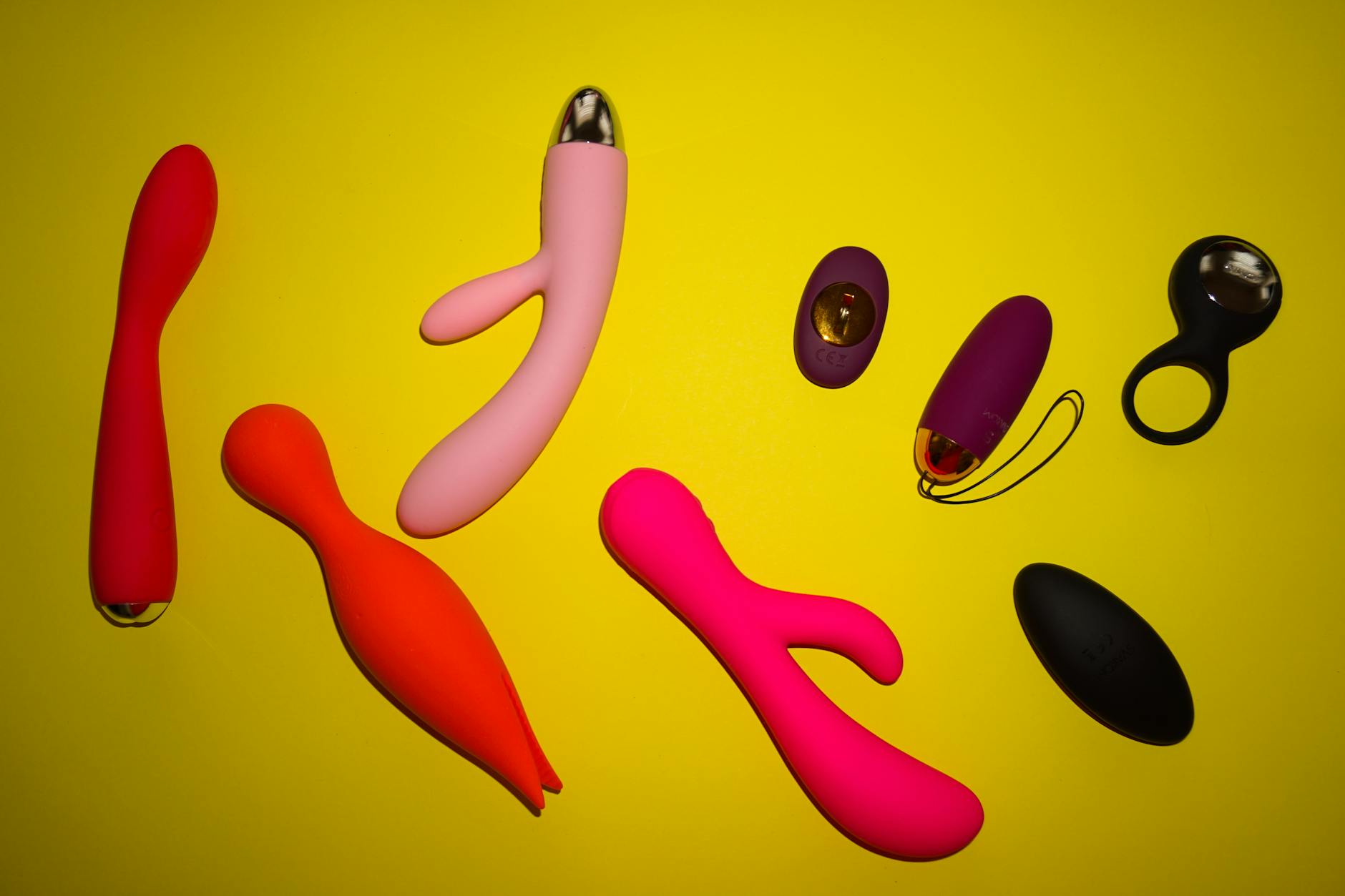
Let's name what's actually happening
Sensation fades. It's not dramatic or sudden for most people. It's gradual. You notice you need more time to warm up. Or that the intensity that used to work doesn't register the same way. Or that your body takes longer to arrive at the place where pleasure actually feels sharp.
This happens across everyone's lifespan, but it accelerates in your fifties and beyond, and it has real neurological reasons worth understanding.
What aging does to nerve sensitivity
Your skin thins slightly over time. The density of nerve endings in the clitoris doesn't change much, but the efficiency of signal transmission does. Here's what I mean: your nerves still fire, but the message travels slower. Your brain still receives pleasure signals, but the relay takes longer.
There's also the vascular piece. Blood flow to genital tissue decreases gradually across the lifespan, which means arousal builds more slowly and requires more deliberate stimulation. That's not weakness. That's just how the system ages.
Hormone shifts compound this, especially if you've gone through menopause. But even people who haven't experienced hormonal menopause report gradually softening sensation in their fifties and sixties. It's the combination of all three factors at once.
The good news: this isn't permanent numbness. It's a different sensitivity landscape. And lemon clitoral vibrators handle this landscape better than almost any other tool.
Why lemon vibrators work when sensation dulls
A lemon vibrator, or lem vibrator as many call it, uses air-pulse suction technology instead of traditional vibration. This matters enormously as sensation changes.
Here's why. Traditional vibrators rely on frequency hitting nerve endings. When your nerves are slower to respond, high-frequency tools become less effective. They buzz against your skin, but the signal doesn't register as sharply. You feel the motion, not the pleasure.
Air-pulse lemon clitoral vibrators work differently. They create rhythmic suction that engages deeper tissue and a broader nerve network. Instead of relying on speed alone, suction technology stimulates through pressure change and tissue movement. For aging bodies, especially bodies with reduced nerve sensitivity, this is often the first tool that brings sensation back into focus.
I've worked with clients in their fifties, sixties, and seventies who tried every vibrator on the market before finding that a lemon vibrator or similar suction device actually made them feel something again. That's not coincidence. It's biomechanics.
The adjustment you actually need to make
Three changes to your approach, not your body.
Start lower than you think. If sensation is dulled, the instinct is to jump to high intensity. Resist this. Start at pattern one or two on a lem vibrator. Work up slowly over several sessions. Your nervous system will begin to recognize the sensation more sharply as you train it to pay attention again. This takes patience, but it works.
Budget more time. Arousal takes longer when sensation is changing. Plan for fifteen to twenty minutes of warm-up, not five. Let your body accumulate the stimulation rather than chasing intensity. This is not a flaw. Many people find that extended sessions lead to deeper, longer orgasms because the build is real, not rushed.
Stop comparing to your younger self. This is where most people get stuck. If you're waiting to feel what you felt at twenty-five, you're not present for what's actually happening now. Pleasure at sixty looks different from pleasure at thirty. It's often slower, more localized, sometimes more intense because it's not spread thin across constant arousal. Notice that. Don't fight it.
How to actually use a lemon vibrator when sensation is dull
Start solo, if you can. There's no performance pressure. You can experiment without worrying about a partner's experience or timeline.
Apply a water-based lubricant first. It helps the air-pulse suction contact your skin more effectively. Position the lem vibrator directly over your clitoris, not beside it. The seal matters for this technology. Once you have contact, start at the lowest pattern.
Stay still. Don't chase sensation by moving the device around rapidly. Let the suction do the work. Many people with dulled sensation are used to creating movement themselves to feel something. With a lemon vibrator, the opposite works better. Stillness and patience let the suction build sensation.
Set a minimum of ten minutes per session. This isn't about racing to orgasm. This is about teaching your nervous system to recognize pleasure again. Some people need three to five sessions before they notice a real shift. That's completely normal.
If you're partnered, involve them early once you understand what works for you alone. A partner can apply the lemon vibrator while you focus on sensation and breathing. Sometimes the intimacy of having someone else handle the tool, combined with the technology itself, brings another layer of response.
The mental piece matters more than you'd think
Reducing sensation often comes with anxiety about aging and desirability. You worry your body is broken. Your partner might worry the same thing. That anxiety itself dampens arousal.
Here's what I tell couples: this is not a malfunction. This is an adaptation. Your body is still capable of profound pleasure. It just needs different input.
The shift from fast and frequent to slow and deliberate can actually deepen intimacy if you frame it as an exploration rather than a loss. You're learning your body again, together. That's rare at any age.
If you've been in a long-term relationship, this transition can also open permission to try tools you might not have tried before. A lemon clitoral vibrator or similar device suddenly feels less like a novelty and more like a practical adjustment. That reframing matters.
When to check in with a doctor
If sensation loss is sudden or accompanied by pain, numbness in other parts of your body, or changes in bladder or bowel function, that's worth mentioning to your GP. These could indicate neurological changes worth investigating.
If you're on medications that affect nerve function, that's also worth discussing. Some blood pressure medications, diabetes medications, and nerve-related drugs can impact sensation. Your doctor might be able to adjust dosage or switch to an alternative that feels better.
If you're experiencing complete numbness rather than reduced sensation, pelvic floor physical therapy combined with a device like a lem vibrator can sometimes help retrain nerve pathways. That's worth exploring with a specialist.
The part nobody tells you
Many people report that once they accept sensation changes and actually work with them rather than against them, pleasure becomes more consistent and sometimes more satisfying. You're not chasing the high of spontaneous arousal. You're building deliberate, reliable sensation through practice and patience.
That's not a consolation prize. That's often better.
People also ask
Does reduced sensation mean my body is broken?
No. Sensation changes across the lifespan for neurological and vascular reasons. It's an adaptation, not a failure. With the right approach and tools, sensation can be sharp and satisfying at any age.
How long does it take to feel sensation return?
It varies. Some people notice a shift within three to five sessions with a lemon vibrator or similar device. Others take two to three weeks of regular use. The key is consistency and patience rather than intensity.
Can I use a regular vibrator, or do I really need a lemon clitoral vibrator?
You can try, but suction-based technology like a lem vibrator tends to work much better for dulled sensation. Traditional vibration relies on frequency, which doesn't translate well when nerve sensitivity is lower. Air-pulse technology engages deeper tissue and a broader nerve network, making it more effective for this particular situation.
Does my partner need to understand what's happening?
Yes, ideally. If you're partnered, explaining that sensation changes over time, that you're adapting to it together, and that you might need different tools or timing removes shame and opens the door to real intimacy. Many couples find this transition strengthens their sexual connection because it requires honesty and collaboration.
Is lube necessary with a lemon vibrator?
Water-based lubricant helps the suction seal contact your skin more effectively, which improves the sensation. It's not strictly necessary, but it usually enhances the experience significantly.
What if I still don't feel much after trying a lemon vibrator?
If sensation remains very dull after consistent use, it might be worth checking with your doctor to rule out medication side effects or other medical factors. Some people benefit from combining a lem vibrator with pelvic floor physical therapy. And sometimes the timeline just needs to be longer. Trust the process, but also trust yourself if something feels off.
The actual takeaway
Aging changes sensation. That's not negotiable. But sensation loss is not pleasure loss. With tools designed for your body's actual needs, like lemon vibrators or similar clitoral vibrators, and with honest communication and patience, pleasure often becomes more focused and sometimes more intense than it was before.
Your body is not broken. It's just asking for a different kind of attention. If you're struggling with how to navigate this shift, reach out. That's what we're here for.
Photo by FounderTips . on Pexels