Here's what nobody tells you
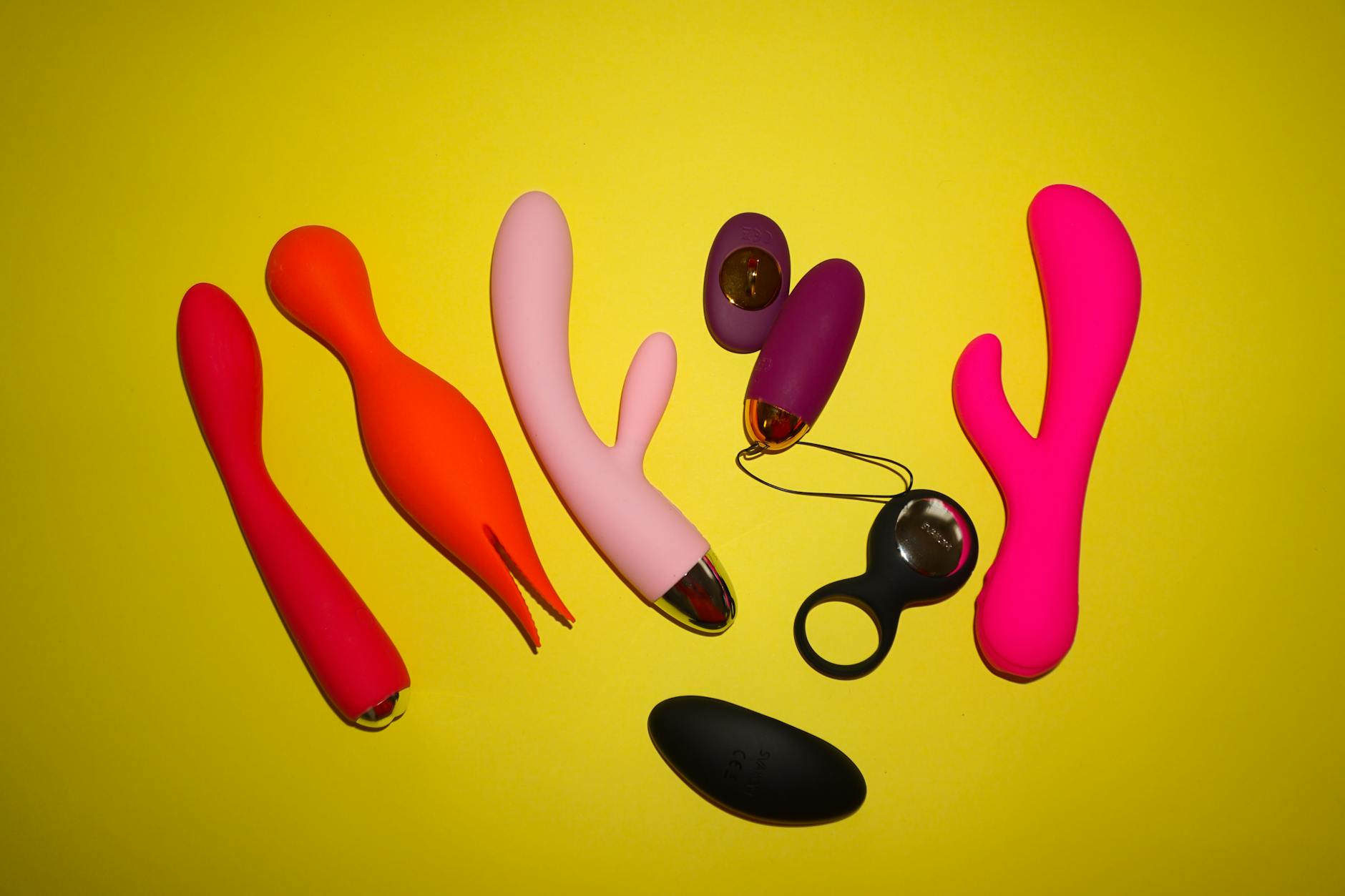
When erectile dysfunction enters a relationship, most couples assume it's a dead end. It's not. What it actually is: a redirect. A chance to uncenter penis-in-vagina sex as the whole story and rebuild pleasure on different terms. Lemon clitoral vibrators are tools that make this shift possible. They're not workarounds. They're invitations.
Erectile dysfunction affects about 30 million men in the US alone. If you're here, you're not in rare territory. And if you're looking for ways forward that don't involve shame, pressure, or abandoning desire, this is the conversation for you.
Why erectile dysfunction actually changes the dynamic
Performance anxiety is the loop. Partner feels pressure to perform. Penis responds to stress by not cooperating. Anxiety gets worse. And without intervention, that cycle tightens.
What makes this cycle so cruel: the person with erectile dysfunction often absorbs all the emotional weight. They feel like they're failing. Their partner worries about saying the wrong thing. Both people end up avoiding sex entirely. Pleasure disappears. Connection disappears. And the problem gets worse, not better.
The clinical reality is that most erectile dysfunction is fixable. Whether it's vascular, neurological, hormonal, or psychological, treatments exist. But here's what treatment alone won't do: it won't heal the relational damage. It won't automatically restore confidence. And it won't rebuild the pleasure experience for both partners.
That's where shifting focus to clitoral pleasure comes in.
Why lemon vibrators change the entire equation
Lemon clitoral vibrators like the Lem work because they remove performance pressure from one person and distribute pleasure across both. Here's the mechanism: when the focus shifts to clitoral stimulation, the person with a vulva gets direct, consistent pleasure that doesn't depend on an erection. The partner watching feels useful, needed, in control. Pressure on the penis drops. Anxiety decreases. And often, without the weight of performance, erectile function improves naturally.
But there's a deeper shift happening too. Clitoral vibrators expand what "sex" means. It's no longer defined by penetration. It's defined by mutual sensation. By exploration. By taking turns. By presence.
Many couples I've worked with report that introducing a lemon vibrator into their intimacy was the moment everything loosened. Not because the tool "fixed" anything. But because it gave both partners permission to stop performing and start connecting.
The conversation you need to have first
Let's be clear: you can't introduce a clitoral vibrator into a relationship managing erectile dysfunction without talking about it. And that conversation needs to happen outside the bedroom.
This isn't sexy pillow talk. This is a real conversation, probably over tea or on a walk. It goes something like this: "I've been thinking about us. I want our intimacy to feel good for both of us, and I think we've been putting too much pressure on one specific thing. I read about lemon vibrators, and I think exploring something like that together might actually take pressure off and help us both enjoy sex more. What do you think?"
That's honest. It's collaborative. It doesn't frame erectile dysfunction as shame. It frames it as a puzzle you're solving together.
The person without erectile dysfunction gets to say: I'm not leaving. I'm not losing interest. I want to find new ways to be close. That matters more than you might realize.
How to actually integrate a lemon vibrator
Start with low stakes. This doesn't have to be part of a big sexual moment. You can explore during foreplay when there's zero expectation of penetration. Some couples I've worked with even start with solo exploration first. The person with the vulva uses the vibrator alone, gets comfortable with it, figures out what they like. Then, when they're ready, they invite their partner to hold it. To watch. To be part of the sensation.
Timing matters. Don't introduce a vibrator in the middle of a sexual encounter where the person with erectile dysfunction is already feeling anxious. Use it at the beginning, when the pressure is lowest. Let it set the tone for the session. Let it be the main event, not an accessory.
Here's a practical sequence: Start with touch and conversation. Move to manual stimulation if you want. Then introduce the vibrator at a low intensity setting. Which Intensity Setting to Start With on Lemon Vibrators has more detail on this. The goal isn't speed or intensity. The goal is presence. The partner with erectile dysfunction can focus on watching, on touching other parts of the body, on breathing, on staying present. Zero performance required.
The permission slip your relationship actually needs
When erectile dysfunction shows up, many couples unconsciously signal that sex is off the table. Avoidance happens. Resentment builds. One partner feels rejected. The other feels like a failure. The relationship slowly splits at the seams.
Introducing a lemon clitoral vibrator is a way of saying: sex is still here. Pleasure is still here. We're just going to explore it differently.
That permission matters. For both people. The partner with erectile dysfunction gets to hear: your body is still sexy. I still want you. Penetration isn't the whole story. And the partner without it gets to experience consistent pleasure without depending on something their partner can't always control.
This is radical in relationships where the entire sexual script has been built around one person's erection. It's freedom, actually.
Managing the emotions underneath
Erectile dysfunction carries shame. Real, deep shame. And sometimes that shame isn't about the physiology. It's about masculinity. About being "enough." About decades of cultural messaging that says a penis needs to function in a specific way or the whole man is broken.
That's where a marriage and family coach or therapist comes in. A good one can help you both separate the physiology from the identity. Can help you grieve the sexual experience you thought you'd have. Can help you build a new one that's actually better.
A lemon vibrator is a tool. It's not a therapist. But it's a tangible symbol of rebuilding. Of moving forward. Of choosing pleasure over shame.
When to get medical support
If erectile dysfunction is new or sudden, a doctor's visit is important. There are underlying conditions that need ruling out. Cardiovascular issues, diabetes, hormonal problems. Treatment options range from medication to therapy to lifestyle changes.
But here's what I've learned: the couples who recover best aren't just the ones who treat the medical side. They're the ones who also rebuild intimacy. Who get curious about their bodies again. Who choose tools like lemon vibrators and experimentation over avoidance.
Medical treatment plus relational reconnection equals recovery. Not one or the other.
The long view
Erectile dysfunction is temporary for many people, especially with treatment. It's not permanent. But the relational damage can be if you let it sit untouched. The good news: you get to decide differently.
Introducing a lemon clitoral vibrator isn't admitting defeat. It's strategic. It's saying: we're not going to let performance anxiety kill this. We're going to redirect. We're going to find new forms of connection. And we're going to do it together.
That's the kind of partnership that survives. That actually gets stronger.
Frequently asked questions
Can my partner still enjoy sex if they can't get an erection?
Absolutely. Pleasure isn't synonymous with erection. Many men report their most fulfilling sexual experiences happen when the pressure to maintain an erection disappears entirely. When focus shifts to other sensations, touch, and mutual exploration, enjoyment often increases. A lemon clitoral vibrator shifts the center of pleasure away from penetration, allowing both partners to experience satisfaction.
Will using a vibrator make my partner feel inadequate?
It depends entirely on how you frame it. If you introduce it as "you're not enough," yes, it will sting. If you introduce it as "I want to explore new ways to feel good together," it becomes collaborative. The key is the conversation before you bring the tool into the bedroom. Make it about expansion, not replacement.
Is erectile dysfunction psychological or physical?
Often it's both. Stress, anxiety, and depression can trigger it. But so can cardiovascular issues, diabetes, hormonal imbalances, and medication side effects. Most cases have a physical component, a psychological component, or both. This is why seeing a doctor matters. But it's also why the relational piece matters just as much.
How do I bring up the topic without making my partner feel worse?
Keep it outside the bedroom. Use "I" statements. Focus on mutual pleasure, not on the dysfunction itself. Try: "I've been thinking about how we can both feel more pleasure. I found this vibrator and I'm curious to explore it with you." You're not diagnosing. You're inviting.
Does erectile dysfunction mean our relationship is ending?
No. Thousands of couples navigate this and come out stronger. The couples who struggle are usually the ones who avoid talking about it. The ones who shame. The ones who stop trying. If you're actively looking for solutions, you're already doing the hard part.
Can we use a lemon vibrator if we want penetration too?
Completely. A lemon clitoral vibrator isn't an either-or. You can use it during foreplay. During penetration if the person with an erection can manage it. Or skip penetration entirely some nights and make the vibrator the main event. The freedom is yours. No performance script required.
The bottom line
Erectile dysfunction is a medical issue with relational consequences. The medical side needs addressing. But the relational side—the trust, the pleasure, the connection—that's where tools like lemon clitoral vibrators and honest conversation come in. You don't have to accept a dead sex life. You get to rebuild it, differently, together. If you need support navigating this transition, reach out. Real people are available to talk through what intimacy can look like on the other side.