Let's start by naming what's happening
Vaginismus is a reflex. Your pelvic floor muscles involuntarily tighten when penetration is attempted, and sometimes just the thought of it triggers the response. It's not psychological weakness, not a sign you don't want your partner, and definitely not something you can just "relax" your way out of. It's your nervous system doing exactly what it was trained to do: protect you.
Penetration pain (whether it's vaginismus, vulvodynia, or post-surgical sensitivity) often comes with a secondary layer: the fear that pleasure itself is now off-limits. That you've lost access to that part of yourself. Here's what I know from years of working with couples through this: pleasure is not lost. It's just temporarily been asked to use a different door.
And that door is clitoral sensation.
Why lemon clitoral vibrators work when penetration doesn't
When your body is in protective mode around penetration, the nervous system is hypervigilant. The goal of rewiring that response isn't to force penetration earlier, but to remind your body that pleasure exists somewhere safe first. Clitoral stimulation bypasses the trigger entirely. You're not working against the reflex; you're working around it.
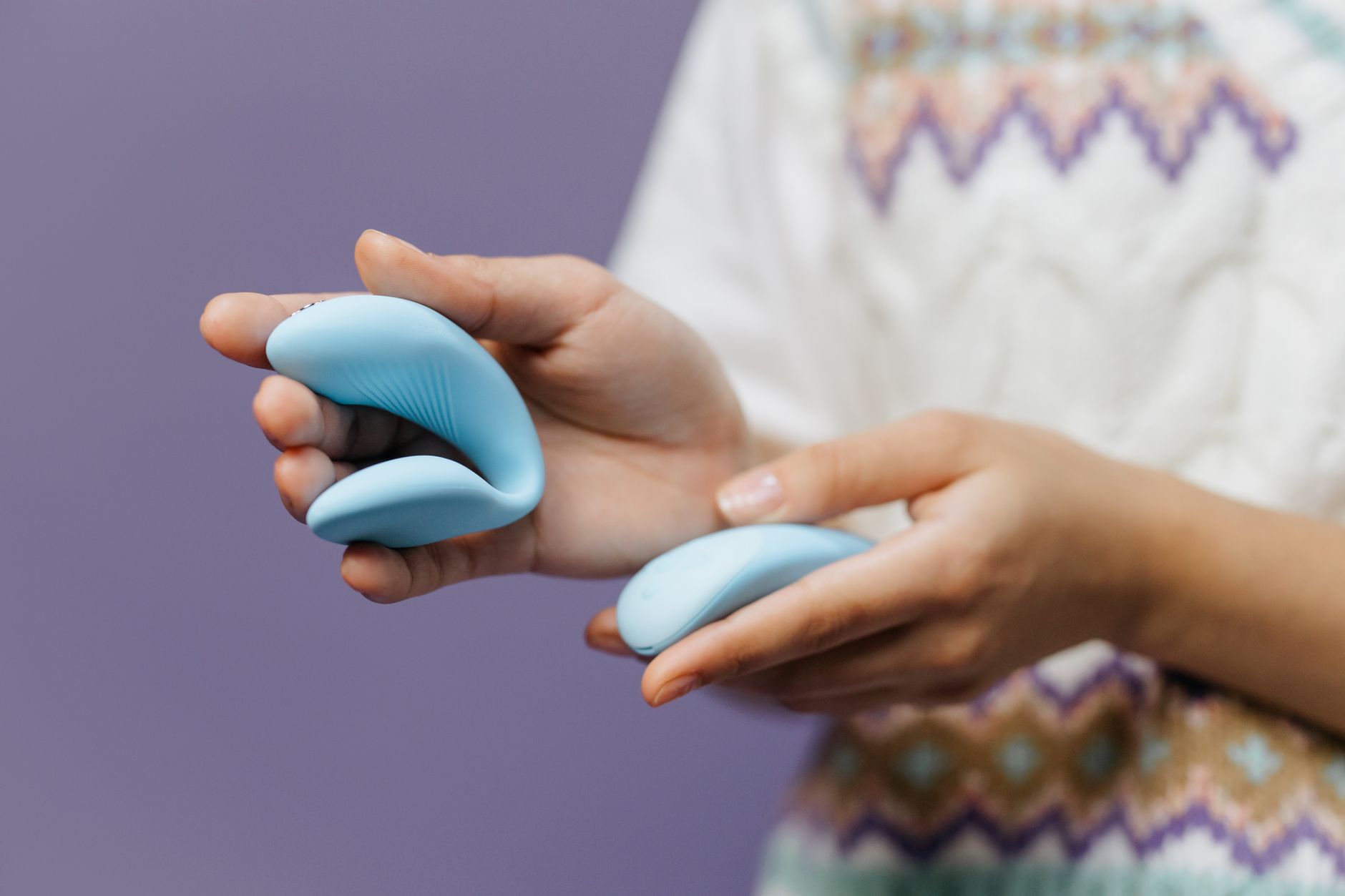
Lemon vibrators and other lemon sexual toys use gentle air-suction technology that feels fundamentally different from traditional vibration. Instead of repetitive buzzing that can feel overwhelming or trigger tension, suction creates a rhythmic sensation that many people describe as meditative. It's less likely to activate the protective response because it doesn't mimic the sensation of pressure from penetration.
There's also a practical neurology piece: clitoral stimulation lights up different neural pathways than vaginal stimulation. When you're rewiring a response, you want to work in separate pathways first. Think of it like retraining your nervous system on a completely different track.
How to approach this with your pelvic floor
First, understand that your pelvic floor muscles aren't the enemy. They're doing their job. But they've gotten stuck in an "on" position, and they need permission to relax. That permission often comes from experiencing pleasure in a space where the muscles don't have to work.
Start with longer warm-up time than you might expect. I'm talking 20-30 minutes minimum, and that's not foreplay for penetration. That's foreplay for clitoral pleasure, full stop. Use lower intensity settings on your lemon vibrator. Start at pattern 1 or 2, and spend time noticing what feels good rather than chasing orgasm.
What you're doing is creating new neural pathways. Each time you experience pleasure without triggering the protective response, you're teaching your nervous system that pleasure is safe in this context. That takes repetition.
If you're working with a partner, this shift also gives you something crucial: permission to make sex about you for a while. Not in a selfish way. In a "we're literally rewiring my nervous system" way. Your partner's role becomes supporting your process, not their own penetration timeline.
The breath and relaxation layer
Here's something most guides skip: you cannot relax your pelvic floor through willpower alone. Pelvic floor tension often travels with breathing patterns. When we're anxious about pain, we tend to shallow-breathe, which keeps the entire pelvic region tense.
Before you use your lemon vibrator, spend two minutes on deliberate breathing. Slow inhale through your nose, long exhale through your mouth. Literally let your belly go soft on the exhale. Do this a few times until you feel your shoulders drop.
Then, when you're using the vibrator, notice if tension is creeping back in. If it is, pause and breathe again. You're teaching your body that slowness is allowed. That pausing is okay. That orgasm isn't the finish line; sensation is.
Many people find that the rhythm of the lemon vibrator's suction naturally synchronizes with better breathing patterns. You're not forcing anything. You're just noticing what feels easiest.
When to involve a pelvic floor physical therapist
I want to be clear: a lemon clitoral vibrator is a useful tool, but it's not a substitute for professional support if you have true vaginismus or persistent penetration pain. A pelvic floor physical therapist can identify exactly which muscles are holding tension and teach you specific release techniques. Some people need both: the therapist's hands-on work plus the rewiring that comes from solo pleasure work with the right tool.
Therapists often recommend progressive exposure alongside pleasure work. That might look like: weeks 1-2 using your lemon vibrator for solo pleasure and relaxation, week 3 introducing external touch from your partner (no penetration), weeks 4-6 very gradual introduction of internal touch (a finger, initially, not penetration). Each phase is backed by pelvic floor release work from your therapist.
This isn't rushing. This is strategic, body-informed progression.
The permission piece
Here's what I see most often: people with vaginismus or penetration pain will use a lemon vibrator for five minutes, feel something, and then immediately check themselves. "Am I doing this right? Is this helping? When will I be able to have penetrative sex again?" They treat the vibrator like it's a stepping stone instead of a destination.
Let me reframe this. Your pleasure, clitoral pleasure, lemon toy pleasure, however you want to access it right now, is not secondary. It's not practice for the "real thing." It's the real thing. You deserve orgasms that don't involve any pain or fear. Full stop.
Whether you eventually return to penetration, find that you don't want to, or discover something in between, the goal is to get you back to believing your body is capable of pleasure. A lemon clitoral vibrator is just the tool. The real work is in trusting yourself again.
When numbness or disconnection shows up
Sometimes vaginismus comes with a side effect: dissociation or numbness in the genital area. This is your nervous system's additional protection layer. If this is happening to you, understand that it's not permanent. But it also means you might not feel much with your lemon vibrator at first, and that's completely normal.
Stick with it anyway. You're not looking for intense sensation right now. You're looking for any sensation, and then you're looking for your brain to register that sensation as safe. Over weeks, as the nervous system settles, feeling often returns. Patience here is not a weakness; it's the actual strategy.
FAQ: Real questions about lemon vibrators and penetration pain
Can I use a lemon vibrator if penetration still hurts right now?
Yes, absolutely. Clitoral stimulation and penetration involve different nerve pathways. Using a lemon clitoral vibrator doesn't require any vaginal involvement. You're working with what feels safe.
How long until I can have penetrative sex again?
That depends on whether you want to, the root cause of your pain, and how consistently you work with a pelvic floor therapist. For some people, it's weeks. For others, months. The timeline is less important than the trajectory. You should notice increasing relaxation, reduced pain awareness, and growing pleasure long before penetration becomes comfortable.
Do I have to tell my partner about using a lemon vibrator while we work through this?
That depends on your relationship and comfort level. Some couples find that transparency and partnership around this transition strengthens their connection. Others prefer solo exploration first, then integration later. There's no right answer. But if you're partnered and this is a shared issue, eventually talking about it removes shame and opens up collaboration.
Will a lemon vibrator "fix" my vaginismus?
No tool fixes vaginismus alone. What it does is create a new experience of your body as capable of pleasure in a safe context. That's the foundation. The actual rewiring usually involves pelvic floor therapy, sometimes therapy (trauma or anxiety-informed), partner communication, and yes, self-pleasure with the right tools. It's a combination.
What if I've never had an orgasm and also have vaginismus?
This is actually more common than you might think. Using a lemon vibrator in a low-pressure, exploratory way is often how people discover what their body is capable of. No timeline, no performance. Just curiosity. Many people have their first orgasm this way, and that changes everything about their relationship to their body.
Can my partner use a lemon vibrator on me while we're working through vaginismus?
Yes, but with intention. A partner using a lemon clitoral vibrator on you removes the performance pressure and allows you to be fully receptive. This works best when penetration is completely off the table for that session. You're not building toward something; you're just experiencing pleasure. That's the whole goal.
What comes next
Vaginismus and penetration pain are solvable. Not always quickly, not always without professional support, but genuinely solvable. Your nervous system learned to protect you; it can also learn to trust again.
A lemon vibrator is a starting point. It's permission. It's proof that your body still knows how to feel good. And that proof, repeated over weeks, is often what shifts everything. Not because the vibrator is magic, but because you are. Your capacity for sensation, for pleasure, for recovery is still there. Sometimes you just need the right tool and the right frame to access it.
If you'd like to talk through what this might look like in your specific situation, reach out to us. We're here.