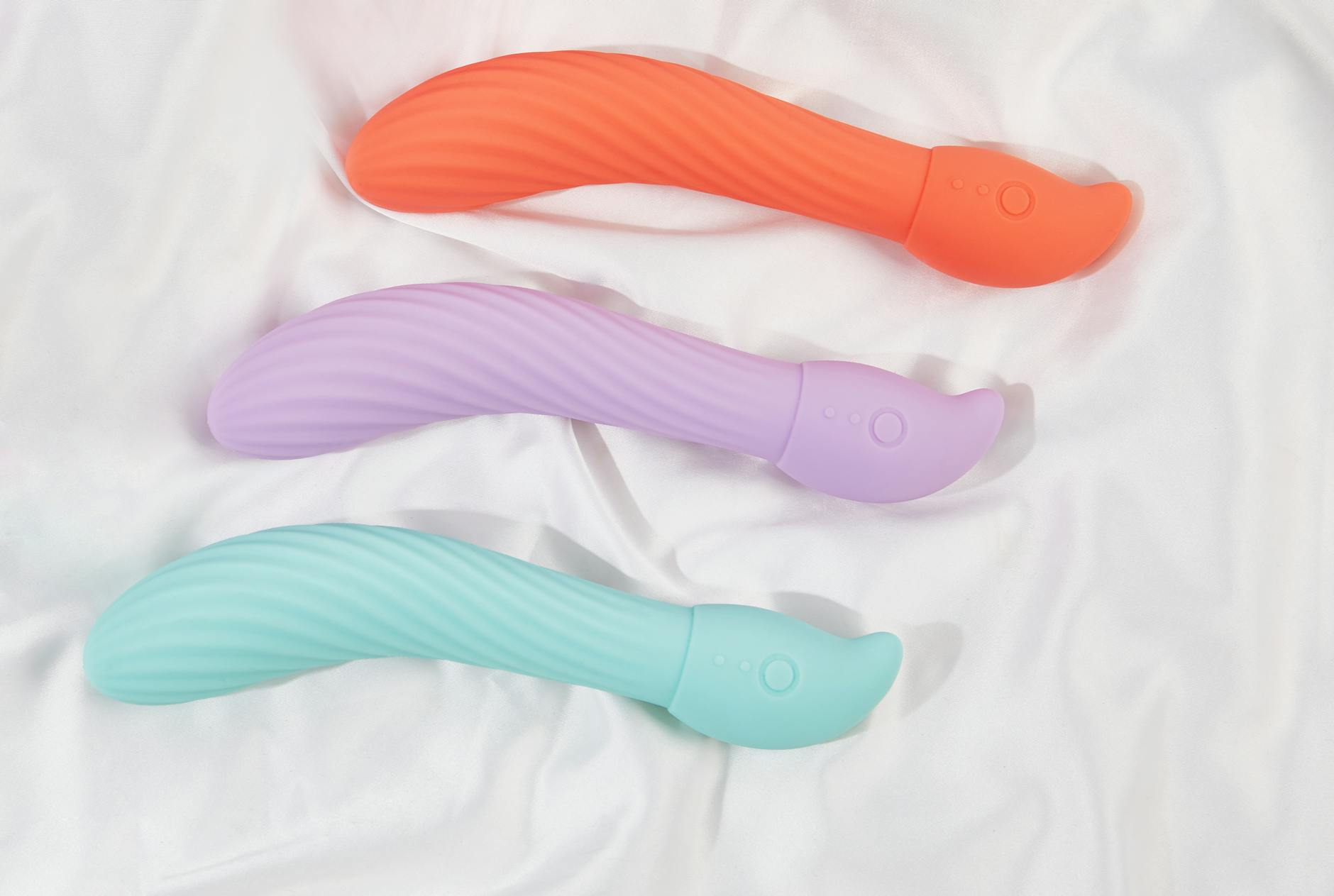
Why a Lemon Vibrator Becomes Your Secret Weapon During Perimenopause
Let's be real: perimenopause arrives quietly, rewires your body in ways no one explains clearly, and then leaves you wondering if you're broken or just dealing with something temporary. Here's the thing. You're neither.
Perimenopause is that awkward threshold before full menopause where your hormones swing like a pendulum. One week you're fine. The next, everything feels different. Your energy bottoms out. Your skin gets weird. And yes, your pleasure shifts too. The confusing part is that the shift is rarely linear. It's not "less sensation" across the board. It's more like "my body is speaking a different language and I haven't learned the grammar yet."
What I've seen clinically is that people in perimenopause often ditch their pleasure entirely because the old patterns don't work anymore and they assume that means something is broken. It's not. It just means you need different tools and different timing. A lemon vibrator, specifically the suction-based design of a tool like the Lem, tends to work better during this phase than traditional vibrators because of how your body is actually changing.
How perimenopause rewires sensation
Estrogen and progesterone are sliding around unpredictably. Some months you feel like yourself. Other months, your clitoris feels numb or oversensitive. Your lubrication becomes inconsistent. Arousal takes longer to build. Your pelvic floor tightens more easily, which can feel like loss of sensation when it's really just tension.
Here's what doesn't change: your nerve endings, your brain's capacity for pleasure, or your ability to orgasm. Full stop. The physical architecture for sensation is still there.
What does change is the pathway to getting there. If you used to need three minutes of direct stimulation and now you need fifteen, that's not dysfunction. That's perimenopause. The rhythm shifted, not the outcome.
Why lemon suction vibrators work better during hormonal flux
Traditional vibrators rely on direct friction against sensitive tissue. When your estrogen dips, that tissue gets thinner and more reactive. Direct friction can feel too intense or even uncomfortable on some days, perfect on others. It's exhausting to chase a moving target.
A lemon clitoral vibrator like the Lem works differently. Suction technology uses gentle pressure and wave patterns rather than buzz and friction. This means:
It stimulates deeper nerve clusters without aggressive surface contact. Your clitoris extends internally, and suction reaches those deeper structures in ways that friction sometimes misses.
It works whether you're lubricated heavily or not. Since fluctuating hormone levels can make natural lubrication unpredictable, a tool that doesn't rely on slide is genuinely useful.
It tends to feel better on days when your body feels touch-sensitive or raw. The gentler pressure of a lemon vibrator lets you dial in comfort while still building intensity.
It's forgiving of pelvic floor tension. When your muscles clench involuntarily (which happens more in perimenopause due to low estrogen), suction still creates sensation, whereas vibration can just feel like vibrating a tense muscle.
Timing and rhythm matter way more now
In your twenties or thirties, maybe you could have an orgasm in five minutes whenever. Perimenopause often requires a slower burn. This isn't a loss. It's actually information.
You need to budget 15 to 25 minutes minimum. This isn't because something is wrong. It's because your nervous system needs time to downregulate and your blood flow needs time to build. Rushing doesn't work. Accepting the slower rhythm does.
Start with the lemon vibrator on the gentlest setting. Let it work for a few minutes. Many people skip this and jump straight to intensity. Your perimenopause body is asking you to slow down. Listen.
Consider when in your cycle (if you still have one) things feel easiest. Some people find the week after ovulation easier. Others find late luteal harder. Tracking this for two to three months gives you real data instead of just frustration.
Lubrication strategy for fluctuating hormones
Water-based lubricant isn't optional anymore. It's part of the toolkit. Your body may produce it some days and not others. Synthetic lubrication lets you stop being at the mercy of that randomness.
Use good quality lube. Cheap lube dries fast and gets sticky. That defeats the purpose. A bottle of silicone-based lube (if you're not using silicone toys) or high-quality water-based will cost you thirty dollars and last months.
Apply it generously. More than you think you need. Let it sit for a moment so it warms to your body temperature. Reapply during longer sessions. This removes the friction problem entirely and lets you focus on sensation instead.
What to do about decreased desire alongside physical changes
Desire and arousal are not the same thing. In perimenopause, they often separate. You might not feel a pull toward sex but find that once you start, sensation builds fine. Or the reverse. You feel interested but your body takes forever to show up.
If desire has genuinely flatlined, that's worth mentioning to a doctor because it can sometimes point to thyroid issues, depression, or other things that float in alongside perimenopause. But if desire is there and arousal is just slower, that's normal perimenopause. It's frustrating, but it's normal.
Many people find that using a lemon vibrator solo for ten minutes, just to remind their body what pleasure feels like, actually helps reconnect desire when partnered sex is on the table. You're rebuilding a neural pathway that perimenopause temporarily disrupted.
The emotional piece nobody talks about
Perimenopause lands right when a lot of other stuff is happening. Kids leaving home. Career shifts. Relationship renegotiations. Parents aging. Your pleasure takes a backseat because everything is chaos.
The physical changes are real. But often the biggest block to pleasure during perimenopause isn't the hormones. It's that you've stopped prioritizing it because everything else feels urgent. A lemon clitoral vibrator only works if you actually use it, and you only use it if you decide your pleasure still matters.
That decision is not selfish. It's maintenance. Your nervous system needs it. Your relationship needs it (if you have one). You need it.
When to bring a doctor into the conversation
If sex becomes painful, don't wait. Painful intercourse during perimenopause is often fixable with topical hormone therapy or other interventions that work quickly.
If you're having panic attacks, wild mood swings, or sleep that has completely shattered, that's beyond pleasure and worth flagging to your GP. Sometimes perimenopause needs more support than a better vibrator can provide.
If you're using a lemon vibrator correctly and sensation is still completely numb, talk to someone. It's rare, but it happens, and it's usually fixable.
FAQ
Does a lemon vibrator work if I have very low estrogen?
Yes, often better than a standard vibrator. Because suction-based stimulation doesn't rely on the same tissue thickness as friction does, many people with significantly lower estrogen report that lemon vibrators feel more effective. That said, if tissue has become very thin (genitourinary syndrome of menopause), adding lubrication and starting on the lowest setting matters more than the tool itself.
Can I use a lemon vibrator if I still get periods during perimenopause?
Absolutely. Perimenopause is the long leadup to menopause, and you can use any toy you want during this phase. Some people actually find that a lemon clitoral vibrator becomes more valuable during perimenopause specifically because hormonal fluctuation makes sensation inconsistent. Having a tool that works regardless of your hormone level that day is genuinely useful.
How often should I use a lemon vibrator during perimenopause?
There's no prescription. Some people use it multiple times a week. Others monthly. The goal is to keep your nervous system calibrated to pleasure and remind your body what sensation feels like. Consistency matters more than frequency. Weekly is plenty. Daily is fine too, if that's what you want.
Will using a lemon vibrator make orgasms easier as I move through perimenopause?
Sometimes yes, sometimes no. What it does is give you a reliable tool when your body's default settings are shifting. Many people find that after using a lemon vibrator consistently through perimenopause, their body's natural capacity for arousal actually improves because they've kept the pathway active instead of letting it atrophy from disuse and frustration.
Is it normal to need lube with a lemon vibrator if my perimenopause makes lubrication inconsistent?
Completely normal. Using synthetic lube doesn't mean something is wrong. It means you're removing one variable (whether your body is producing enough moisture) so you can focus on another (whether sensation is building). It's a pragmatic choice, not a sign of dysfunction.
Can a partner use a lemon vibrator on me if my body feels touch-sensitive from perimenopause?
Yes, though communication matters. Start on the lowest intensity and on the external clitoris only. Many people find that a partner-controlled lemon vibrator during perimenopause actually feels better than solo use because your partner can respond to your feedback and adjust pace in real time. It also removes the mental load of managing the tool yourself, which lets you focus on sensation.
Perimenopause is not the end of your sexual life. It's a recalibration. Your body is asking for different tools, different timing, and different permission to slow down. A lemon vibrator meets those needs in ways that standard vibrators often don't. But the real tool is the decision to keep pleasure on the table even when everything else feels impossible. That's where it starts.