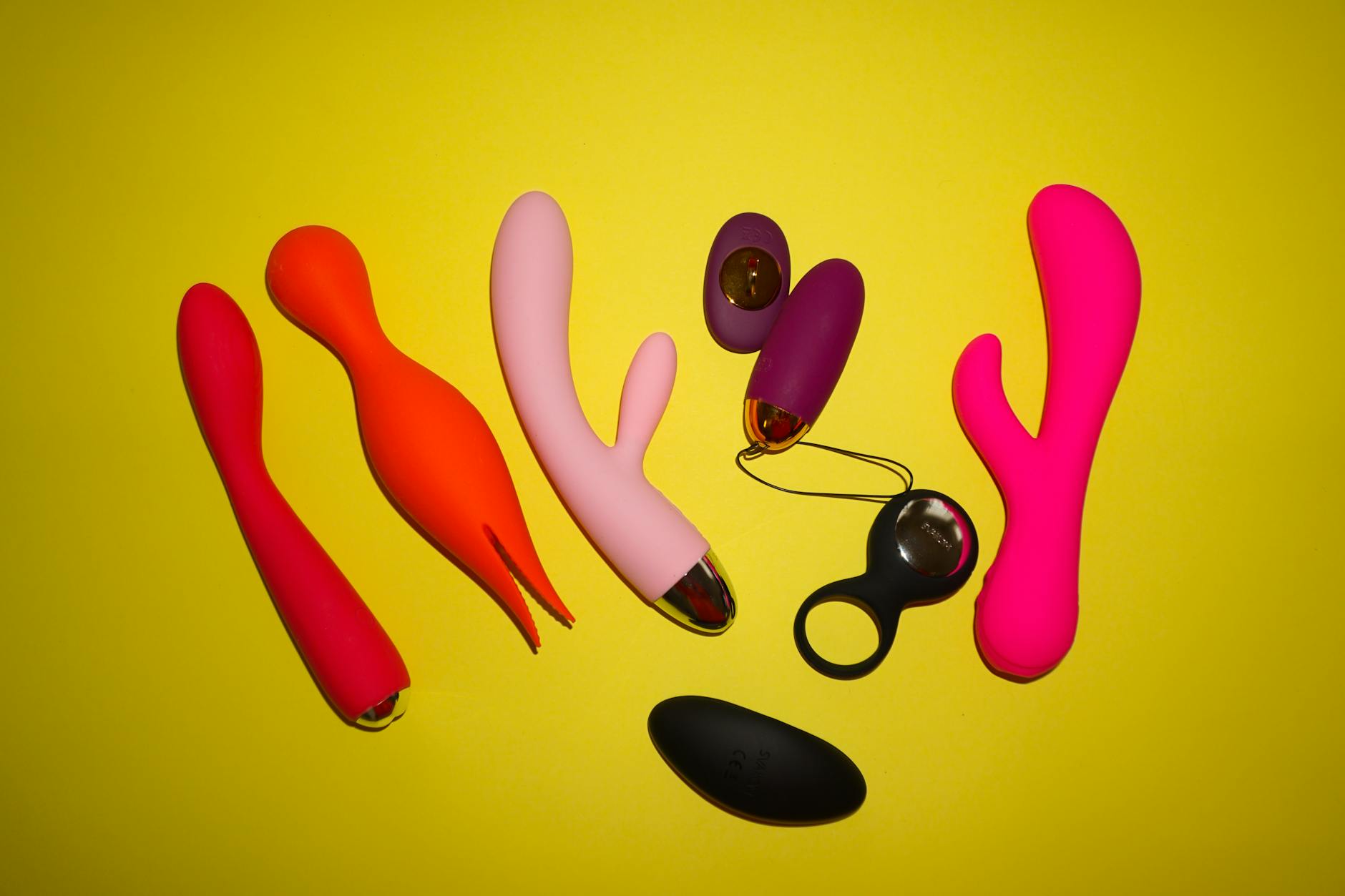
Here's what's really running through your head
You want to try a lemon vibrator. You've thought about it. Maybe you've researched it. And then your brain hits you with the script: He'll think I'm not satisfied. She'll think I don't want them anymore. They'll take it as a rejection.
Let me be direct. That's your anxiety talking, not reality. But I understand why you're stuck. Bringing a toy into bed feels like you're naming something you've both been avoiding. It feels risky.
It's not. And I'm going to walk you through exactly how to handle this so you actually enjoy it instead of spending the whole time worried you made a mistake.
Why you're actually nervous (and what it really means)
Most people think they're nervous about the toy itself. They're not. They're nervous about what it implies. A clitoral vibrator feels like it says: You're not enough. I need something else. I'm leaving.
That's the story. It's almost never the truth.
What's actually happening is simpler. You've discovered something that works better for your body. That's not an indictment of your partner. It's information. A lemon vibrator doesn't replace your partner any more than a vibrating shower head replaces them. It's a tool that creates a different sensation. Full stop.
Your partner's reaction largely depends on how you frame it. Frame it as "I want to explore this together" and you'll get a different response than "I need this because you're not doing it right." Neither is what you're actually feeling, but one opens the door and the other slams it shut.
The conversation that actually works
Don't lead with the toy. Lead with curiosity and partnership.
"I've been thinking about something I want to try. I'm interested in exploring what feels good, and I'd like to do it together. Would you be open to that?" That's it. You're not selling the vibrator. You're inviting them into discovery.
If they ask what you mean, be specific but low-key: "I read about clitoral vibrators, specifically lemon vibrators because of how the suction works. I want to see what that feels like. Would you want to be part of that?"
Notice what you're doing here. You're making this about shared exploration, not about your dissatisfaction. You're giving them agency. You're not ambushing them with a toy already in your nightstand.
Some partners will be curious. Some will need time. Some will want to be involved. Some will prefer you explore solo first. All of those responses are fine. You're not looking for enthusiasm right now. You're looking for openness.
The conversation gets harder if they react badly
Some partners will spiral. "You want a vibrator? Does that mean I'm not enough?" If this happens, don't panic. This is normal relationship friction, not a sign you made a mistake.
Stay calm. Don't defend the vibrator. Defend the relationship. "I love you and I love sex with you. I also want to understand my own body better. These two things aren't in conflict. Will you help me with this instead of against it?"
That's the conversation that matters. The toy is irrelevant. What matters is whether your partner can distinguish between "you explore your pleasure" and "you don't want me." Some people struggle with that distinction for deep reasons that probably have nothing to do with you.
If your partner refuses to engage at all, you have options. You can use it solo and not mention it. You can table the conversation for a few weeks and try again. You can involve a couples therapist to help you both untangle what's actually driving the resistance. But you shouldn't weaponize it or sneak it. That's when toys become a symptom of bigger problems, not a solution to a smaller one.
How to actually introduce it without killing the mood
Let's say your partner is open. Now you have to navigate the first time actually using it together.
Don't make it a production. You don't need rose petals and a speech. You need normalcy.
Start with foreplay as usual. Build arousal the way you always do. When you're already turned on and the moment feels right, bring it out. "I got a lemon vibrator. Want to see what it does?" Casual. Curious. Not like you're unveiling a wedding ring.
Most partners respond better to toys when they feel involved. Let them hold it. Let them control it. This transforms the toy from "your thing" into "our thing." They go from feeling replaced to feeling helpful. That's a huge psychological shift.
Start low. Pattern one on most lemon vibrators is subtle. You want your partner to see that this isn't about intense stimulation you were secretly craving. It's about a different sensation. Let them experiment with patterns while you give feedback. "That's nice. Higher? Lower? Keep going." They're running the show. They have permission to participate and explore alongside you.
Some partners will be anxious the first time. That's normal. Their anxiety will settle as they realize that yes, you still want them in bed, the vibrator is just adding texture, and nothing is being taken away.
What happens after the first time
Here's what I see in my practice. The first time is usually awkward. The second time is less awkward. By the third time, it becomes part of your repertoire and people stop thinking about it as "the time we introduced a toy" and just think of it as "having sex."
What often shifts is pleasure itself. A lemon vibrator creates sensations your partner's hands can't create. So you experience stronger orgasms. Your partner watches you experience stronger orgasms. They feel like they contributed. Everyone wins.
Some couples find that using a vibrator together brings them closer emotionally. It requires communication, vulnerability, and presence. If your relationship can handle that, it can handle a toy.
Others find that introducing a toy opens up conversations about what else they might want to explore. More positions, more frequency, more foreplay, different environments. The toy becomes a door opener. It's not that the toy itself is magical. It's that choosing to explore pleasure together is.
When to wait
If your relationship is already rocky, now isn't the time to introduce a vibrator. Your partner is already struggling to feel secure. A toy will amplify that insecurity, not solve it. Work on the foundation first.
If you're introducing a toy to fix a deeper problem (mismatched desire, a partner who isn't interested in your pleasure, ongoing resentment), that won't work either. The toy becomes a symbol of the real issue, which is still unsolved.
But if your relationship is solid and you're just nervous about communication, a lemon vibrator can actually be a way to practice that communication. You'll learn something about how your partner handles something new. You'll practice asking for what you want. You'll discover whether your partner can separate your pleasure from their insecurity.
Those are valuable things to know.
The reality check
Most partners who try a clitoral vibrator with their significant other don't regret it. Some love it. Some are neutral. All of them realize that the toy didn't change the relationship. It just changed what happened in bed.
Your nervousness is valid. But it's not a reason not to try. It's a reason to communicate clearly, involve your partner, and set realistic expectations.
Start the conversation this week. Not next month when you're "more ready." This week. You'll feel better once the words are out and you know where your partner actually stands.
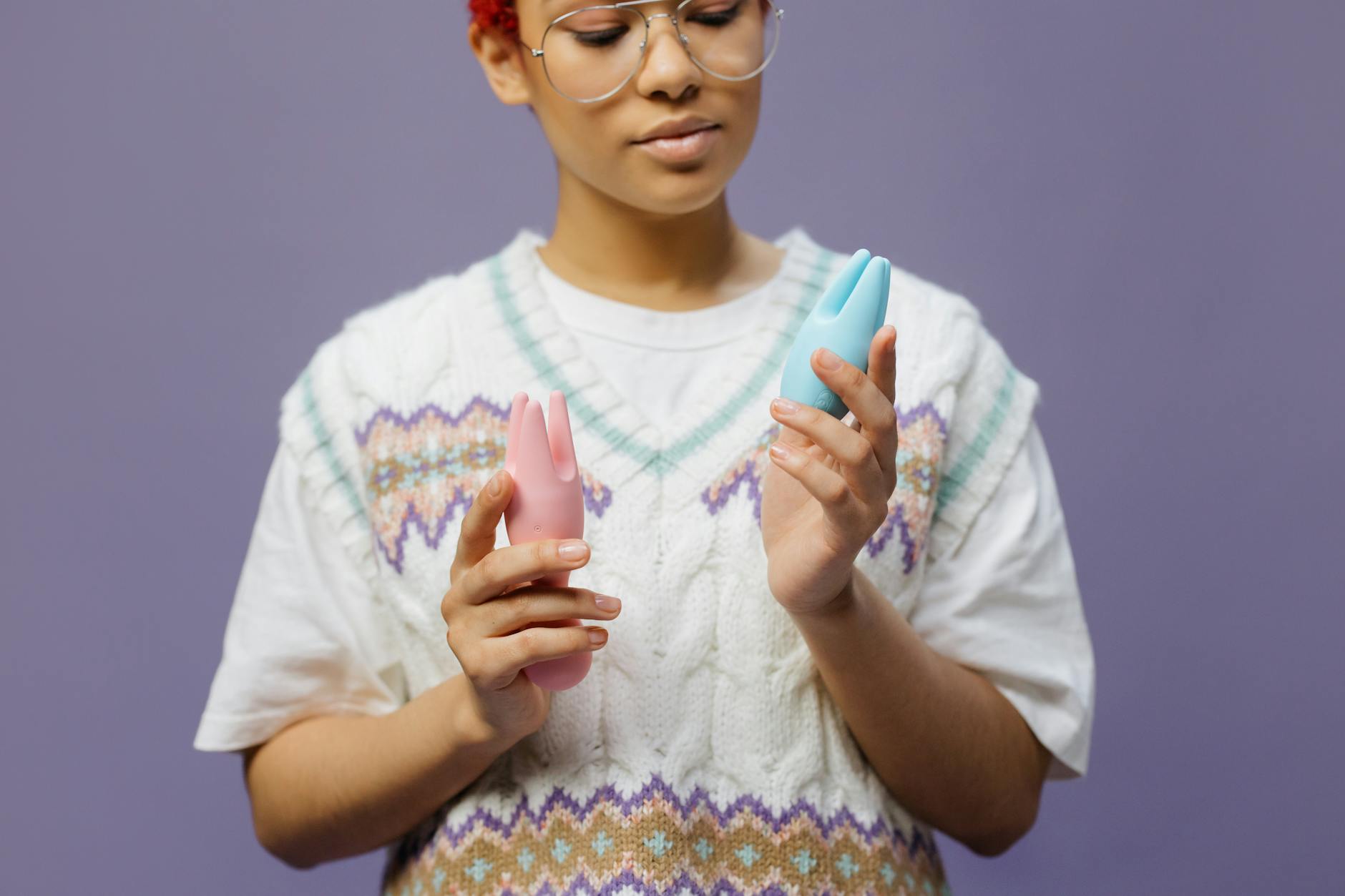
Photo by cottonbro studio on Pexels
FAQ: The questions people actually ask
Will a lemon vibrator make my partner feel inadequate?
Only if you frame it that way. A vibrator isn't a statement about your partner's performance. It's a tool that creates a sensation their body can't replicate. That's like saying an electric toothbrush means your partner's hands weren't clean enough. It's a different tool, not an indictment. Most partners feel better when they're invited to use it together because then they're part of the pleasure, not competing with it.
What if they say no and I really want to use one?
You have options. You can use it solo, privately, without mentioning it. You can ask them to reconsider in a few months. You can explore why they said no and whether it's about the toy or about something deeper in the relationship. You can also work with a couples therapist if you're stuck. But don't sneak it or resent them for the boundary. That builds more problems than it solves.
Should I introduce the idea of a lemon vibrator before or during sex?
Before. Have the conversation when you're both clothed, calm, and not in the middle of anything. That way it's not a surprise or a pressure. You're giving them time to sit with the idea. The first time you actually use it might be during sex, but the introduction should be separate.
Is there a right way to use a clitoral vibrator with a partner?
There's no single right way. Some couples prefer the partner to use it. Some prefer to use it themselves while the partner is involved. Some take turns. You'll figure out what works for you as you explore. Start with your partner in control so they feel involved, then branch out from there.
What if we try it and it doesn't improve things?
Then it's just a toy that didn't work for you. Send it back. No harm done. But pay attention to what wasn't working. Was it the sensation? The communication? The timing? The relationship? That data matters more than whether you liked that specific vibrator.
How do I bring this up without sounding like I'm criticizing their sex?
Lead with "I want to explore" instead of "I'm not satisfied." Lead with curiosity instead of complaint. Lead with partnership instead of secrecy. Say something like: "I've been curious about exploring different sensations, and I'd like to try this together" instead of "Sex with you isn't working." The first one is true. The second one isn't, and it won't open a door. Frame it as expansion, not correction.
What comes next
Your anxiety is telling you that this conversation is dangerous. It's not. Avoiding it is what creates distance. Having it, honestly and with care, is what brings you closer.
Start this week. You deserve to explore your pleasure, and your partner deserves to know that's what's happening. When you approach it together, that's when the best things happen. Not because of the lemon vibrator itself. Because you chose to be vulnerable and your partner chose to show up.
If you're still unsure about how to navigate this or want to work through deeper relationship questions, reach out. That's what I'm here for.