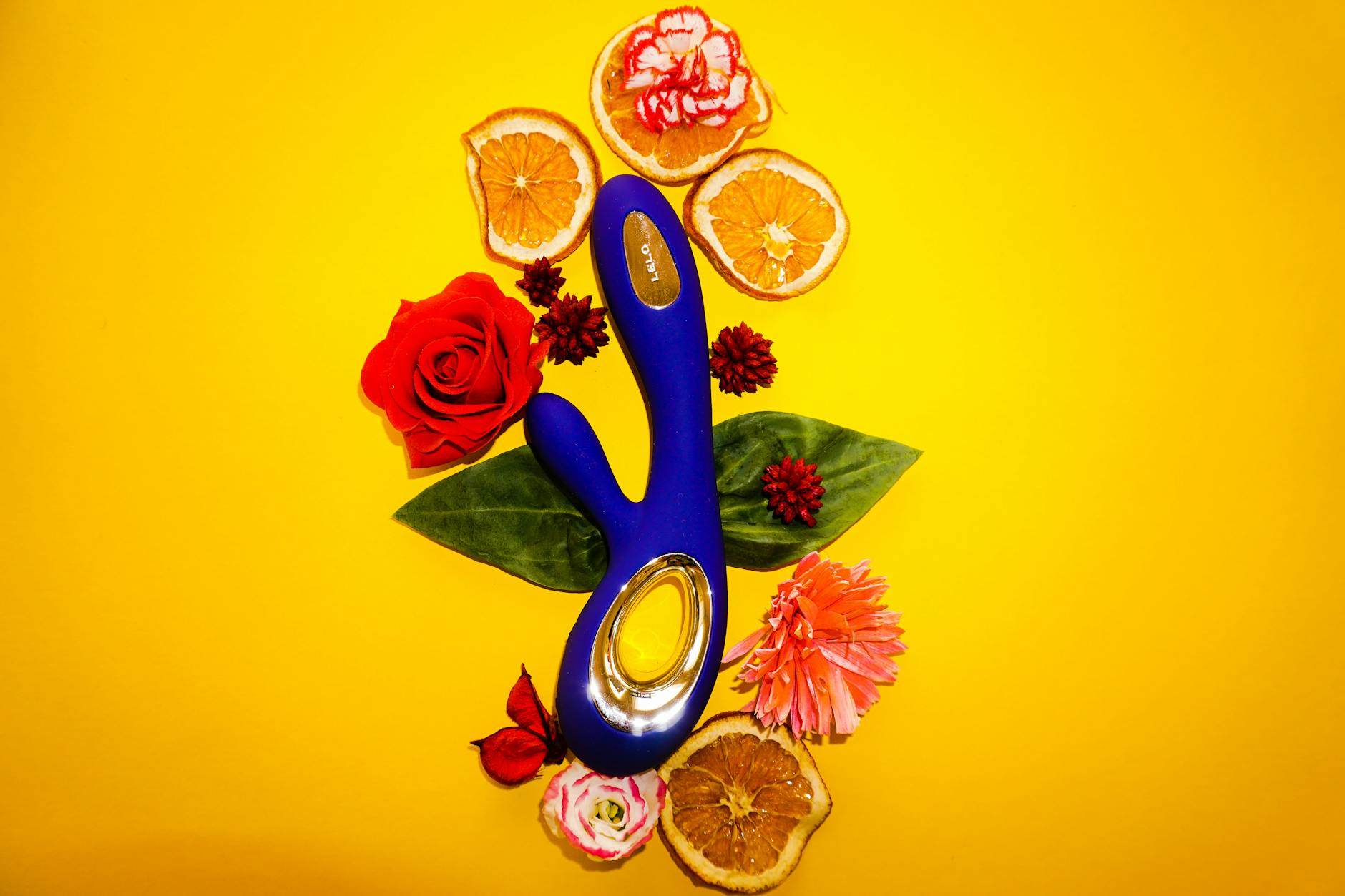
Here's the thing about sexual mismatch
Most couples assume it means they're incompatible. One person wants quickies, the other wants 45 minutes of foreplay. One wants intensity, the other wants tenderness. One wants toys involved, the other finds them intimidating. The narrative goes: "We just want different things." And then the shame spirals. But sexual mismatch isn't incompatibility. It's just mismatched assumptions about what "sex" means.
The honest part? Most couples never actually talk about this before they're already frustrated. You assume your partner knows what you want. They assume you're getting what you need. Nobody wins. A lemon vibrator, especially something like the Lem, is less about "spicing things up" and more about creating a language where both of you can actually ask for what you need without sacrificing the other person's pleasure.
Why pleasure styles differ (and why it's normal)
Let's separate the biological from the psychological. Some people have a naturally higher threshold for stimulation. Others reach peak sensation quickly and need either rhythm changes or different types of touch to sustain it. Medication can change sensation. Hormonal fluctuations shift what feels good week to week. Trauma history, past relationships, and attachment style all wire how someone experiences pleasure.
But here's the research part that actually matters. When partners feel genuinely seen and heard about what they need, sexual satisfaction goes up across the board. Not just for the person whose preference is being honored, but for both people. When your partner knows you're not trying to deny them pleasure—you're trying to give them something they actually want—the whole dynamic shifts. Clitoral stimulation with a lemon vibrator doesn't replace what your partner might be offering. It complements it. It lets both of you get what your bodies actually respond to, at the same time.
The core mismatch: intensity and timing
The most common pattern I see in my practice is this. One partner climaxes easily with clitoral stimulation and needs it consistently to stay aroused during partnered sex. The other partner either doesn't experience that or gets there through penetration or a completely different style of touch. When they sync up on one person's preference, the other person is either performing (not great for anyone) or missing what they actually need.
A lemon clitoral vibrator lets you run parallel sessions. Your partner can do what works for their body. You can get the direct clitoral stimulation that your nervous system is asking for. You're both present. You're both getting sensation. You're not waiting for the other person to finish, and you're not abandoning your own pleasure to match their timeline.
Start by naming it plainly. Not "I need a vibrator because you're not enough." That's the guilt spiral talking. Instead: "My body responds best to direct clitoral stimulation while we're connected. Let's explore what that looks like for both of us."
The second mismatch: intensity levels
One partner wants feather-light touch. The other wants pressure that borders on intense. Neither is wrong. The nervous systems are just wired differently. Low sensitivity thresholds, high sensitivity thresholds. Both are real. And most couples try to meet in the middle, which means both people are getting 60% of what they actually need.
With a lemon vibrator, you don't have to compromise. Start with a lower intensity setting (most clitoral vibrators, including the Lem, have multiple patterns and intensity levels). Your partner can provide the type of stimulation they're drawn to—whether that's penetration, manual touch, or grinding. You get precision clitoral stimulation at exactly the intensity your body is asking for. The suction sensation of lemon-style toys is distinct from vibration alone, which means you might find that a gentler suction pattern hits differently than you expect.
How to introduce this without it feeling like rejection
Timing matters. Don't introduce a vibrator in the middle of sex when things are already moving. That reads as "what we're doing isn't working." Instead, bring it up in a conversation outside the bedroom. Keep it grounded in your own body, not his or her performance.
"I've been thinking about what helps me reach orgasm consistently, and I'd like to explore using a clitoral vibrator when we're together. I'm not looking to replace what you're doing—I want to add something that lets my body get what it needs. Would you be interested in that?"
Watch the response. If your partner seems hesitant, dig in a little. Sometimes the resistance isn't about the toy. It's about feeling like they're being replaced, or shame about "needing" a vibrator, or anxiety about performance. Those conversations are separate from the tool itself. Address the feeling first. Then the tool often becomes easier.
The mechanics of integration
Start simple. Use the vibrator during foreplay before penetration or partnered sex begins. This takes pressure off your partner to "do something" with it, and it lets you warm up to the stimulation you need. Many people find that starting with a lower intensity setting and then increasing it mirrors their natural arousal curve.
If you want to use the vibrator during penetration, angle it so the contact is on the top side of the clitoris (where the external clitoral body is) rather than directly on the opening. This gives you stability and lets your partner move without the toy shifting. Communication here is just "slower" or "that angle" rather than performance critique.
One thing that surprises most people: once both partners are getting what they actually need, the sex gets better for everyone. It's not a Band-Aid on a mismatch. It's the thing that lets mismatches stop being a problem.
When "different styles" means different frequency
One partner wants sex multiple times a week. The other is content with once every two weeks. This is wildly common and rarely discussed openly. A lemon vibrator won't fix a frequency mismatch, but it can ease some of the sting. If one partner has higher desire, they can use clitoral stimulation solo when partnered sex isn't happening as often as they'd like. Not as a substitute for your partner—as a bridge between those moments.
This is where the conversation gets deeper. Some frequency mismatches are biological (hormones, medication, fatigue). Some are relational (not feeling connected, touched out from kids, stressed). The vibrator is a tool for the moments when biology is the issue, not a fix for relational distance. Know the difference.
The pleasure integration checklist
Before you bring a lemon clitoral vibrator into partnered sex, check these boxes. One: you've named what you actually need ("I need direct clitoral stimulation to orgasm easily"). Two: your partner has heard it without defensiveness ("I hear you. Let's figure this out together"). Three: you've both agreed this is exploration, not replacement. Four: you've set a low-pressure first time (maybe just during foreplay, no performance pressure). Five: you've actually read the instructions for your toy so you know the intensity settings and patterns.
Start with pattern one on the lowest intensity. You'll be surprised how much sensation even that provides. Most people escalate too quickly because they expect vibrators to work like movies suggest, all high intensity from the jump. Real nervous systems need time to find their rhythm.
When it's working
You'll know because the sex will actually get better. Not hotter in a performance sense. Better in a "we both got what we needed" sense. Your partner will stop monitoring whether you're close to finishing and can focus on their own sensation. You'll stop performing arousal and can actually experience it. The whole dynamic quiets down into something that feels less like a negotiation and more like genuine connection.
That's the point. Not the toy. The point is that you both deserve pleasure, and you don't have to choose between getting yours and honoring theirs. A lemon clitoral vibrator is just the tool that makes that possible.
FAQ
Will using a vibrator during sex make my partner feel inadequate?
Not if you frame it right. The key is separating the tool from the person. "I love what you do. My body also responds to direct clitoral stimulation, and I want to give myself that." That's not criticism. That's clarity. If your partner struggles with it, the issue isn't the vibrator. It's insecurity about performance. That's a conversation worth having, but it's separate from whether you get to use the toy.
Should I use a lemon vibrator every time we have sex?
No. Use it when your body is asking for it. Some people use clitoral stimulation during partnered sex consistently. Others use it sometimes. Let your body guide you. If you're forcing it out of habit or guilt, that defeats the purpose.
What if my partner wants to use the vibrator on me instead of me using it myself?
That can be great. It requires communication about pressure, angle, and intensity. Some people prefer the control of doing it themselves. Others love having their partner involved. Try both. See what actually feels good, not what you think should feel good.
Can a lemon vibrator actually improve our sex life if we're disconnected?
No. A vibrator can't fix relational distance. It can enhance sex that's already working. If the real issue is that you feel emotionally distant or unseen, the vibrator isn't the answer. That conversation is.
Is it normal to need different intensity levels than my partner?
Completely normal. Nerve density varies. Medication affects sensation. Hormones fluctuate. One person's "perfect" intensity is another person's "too much." A lemon clitoral vibrator with multiple settings lets you find your actual sweet spot instead of compromising.
How do I know if a mismatch is a dealbreaker or just a thing we need to solve?
The question isn't whether you want different things. The question is whether you're both willing to problem-solve. If one partner refuses to engage, that's different from both people showing up to find a solution. Willingness matters way more than the specific mismatch.
The real story
Mismatched pleasure styles aren't a failure of compatibility. They're an invitation to actually talk about what you need and stop assuming your partner is a mind reader. A lemon vibrator is just the thing that makes having that conversation a little easier because you've got a concrete solution to explore together. When both people feel genuinely heard and both people get what they actually need, the sex gets better. Not flashier. Better.
Ready to navigate pleasure on your own terms? Reach out if you want to talk through how to bring this conversation to your partnership.