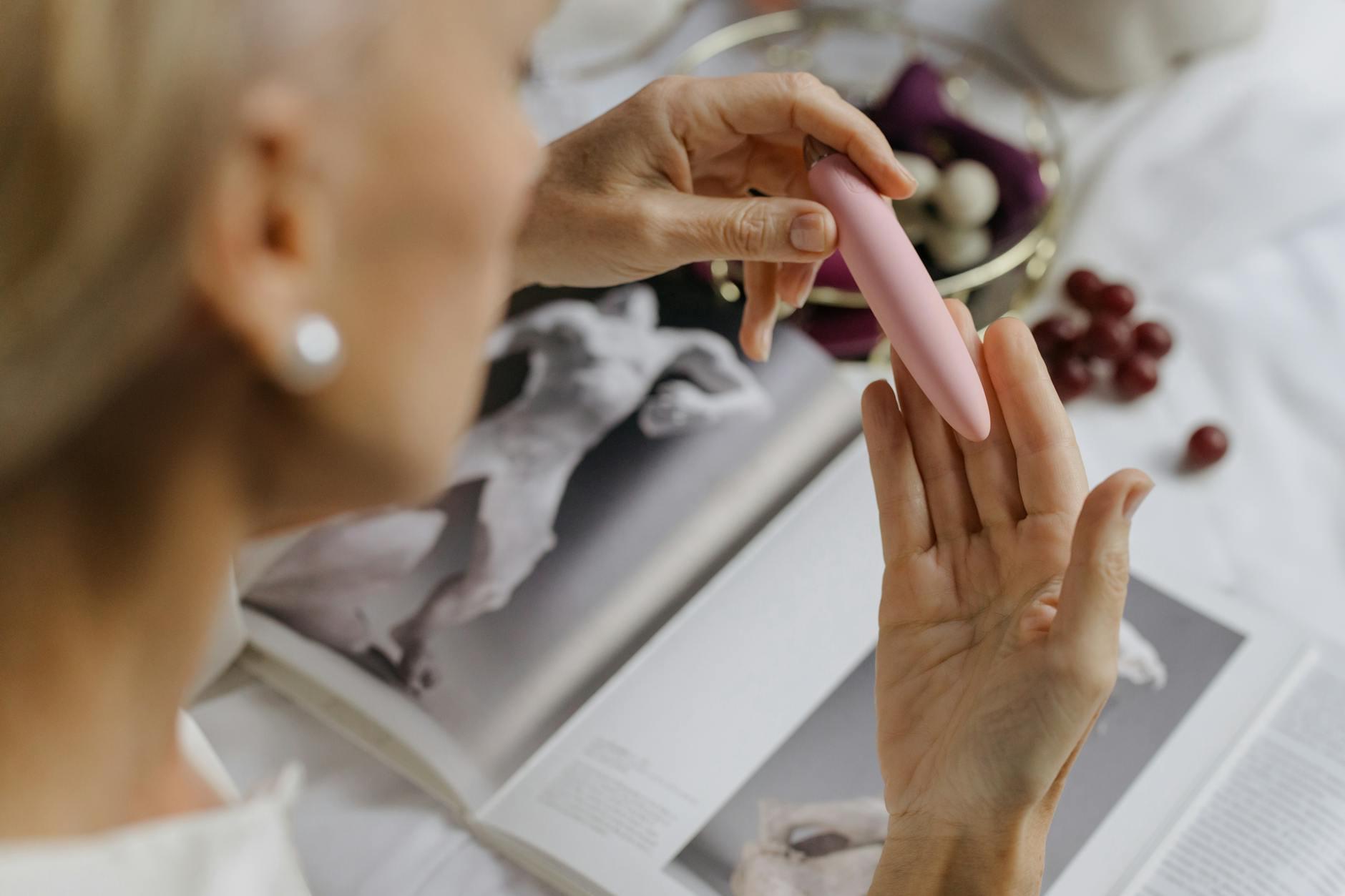
If you've got sensitive skin or a known allergy, shopping for any vibrator feels like navigating a minefield. You want a lemon vibrator, want the pleasure, but you're rightfully nervous about what happens when you introduce a toy to delicate tissue. That nervousness is valid. The good news: there's a clear path through this, and it starts with understanding materials.
Body-safe is not a legal standard. It's an industry term meaning the toy is made from non-porous, non-toxic materials that won't leach chemicals into your tissues. Here's the hierarchy.
Medical-grade silicone sits at the top. It's platinum-cured, non-porous, hypoallergenic, and doesn't degrade with exposure to body fluids or lubes. If you have sensitive skin, this is your starting point. Helos Nancy's lemon clitoral vibrator uses medical-grade silicone, which is why it's a solid choice for reactive skin.
Glass and stainless steel are also body-safe. They're non-porous, don't absorb bacteria, and won't trigger allergies. The downside: they're heavier, colder, and less forgiving if you have vulvodynia or raw irritation.
TPE (thermoplastic elastomer) feels softer but is porous, meaning it can trap bacteria and absorb oils from your skin. If you have sensitive skin, TPE is a gamble. Some people tolerate it fine. Others develop irritation within weeks. It's not worth the risk if you're already prone to reactions.
PVC and other plastics are off the table. They often contain phthalates, a plasticizer linked to hormone disruption and tissue irritation. If a vibrator is suspiciously cheap, it's probably PVC.
Not all sensitivities are the same. Before buying a lemon vibrator, narrow down your trigger.
Nickel sensitivity is common. Some vibrators contain nickel in the metal contact points or charging components. If you have a nickel allergy, look for toys with stainless steel charging ports or those that charge via USB-C on a non-metal part. Helos Nancy toys use safe materials at contact points, which matters if you've had reactions to other brands.
Latex allergy means you need to avoid anything that contains latex fillers or coatings. Medical-grade silicone toys are latex-free, so you're safe there. Just avoid anything labeled with latex blends.
Fragrance or additive sensitivity affects the vulva more than skin elsewhere. Some vibrators are scented (yes, really). If you're sensitive, stick to unscented silicone toys with no perfumes, dyes, or "flavor" coatings. Plain medical-grade silicone is your friend.
Lubrication reactions are sneaky. Your toy might be body-safe, but the lube you're using could trigger irritation. If you have sensitive skin, always pair your lemon vibrator with water-based lube, never silicone-based. Water-based won't degrade silicone and won't trap bacteria against your skin.
Let's cut through the noise. Here's what works and what doesn't if you're prone to irritation.
Medical-grade silicone (best for sensitive skin). Hypoallergenic, non-porous, doesn't degrade, easy to clean. Works with any water-based lube. This is what you want in a lemon clitoral vibrator if your skin reacts easily. The initial cost is higher, but the safety margin is worth it.
Stainless steel (good if silicone irritates you). Some people react to silicone even though it's supposed to be inert. If that's you, stainless steel offers a non-porous alternative. It's cold initially, so warm it up first. Not ideal for all body types, but it's reliable for reactive skin.
Glass (niche option). Body-safe but fragile, heavy, and can feel too intense on inflamed tissue. Only consider this if you're experienced with toys and your irritation is mild.
Anything else (TPE, rubber, PVC, mystery plastics). Avoid. The risk outweighs the savings.
Even with a body-safe toy, introduce it slowly if your skin is reactive.
Patch test first. Before using a new toy on your vulva, hold it against your inner forearm for 10 minutes. Sounds silly, but if you're going to have a reaction, your forearm will show it faster and less painfully than sensitive genital tissue.
Start on the lowest setting. Suction toys like the Lem vibrator work by creating gentle pressure. Begin with pattern 1 and spend 5-10 minutes there before moving up. This gives your body time to acclimate to the sensation and the material.
Use fresh lube every time. Old lube traps bacteria. Apply water-based lube generously before each session, and reapply mid-session if needed. This cushions your skin and reduces friction-based irritation.
Watch for delayed reactions. Sometimes irritation shows up 12-24 hours after use, not during. Keep notes for the first week. Does redness appear the next morning? Does itching start hours later? This tells you whether the toy or something else (lube, frequency, technique) is the culprit.
Stop if anything stings. Pleasure should feel good or intensely good, never painful or burning. If stinging happens, remove the toy, rinse with water, and let your skin settle for a few hours before trying again.
It happens. You buy a silicone lemon vibrator, follow all the rules, and still get irritation.
First: confirm it's the toy and not the lube, frequency, or technique. Switch to plain water and a fresh toy for a test session. If irritation doesn't appear, the culprit was probably lube or friction, not the material.
If it's definitely the toy, you have options. Contact Helos Nancy directly. Good toy brands stand behind their products and often offer swaps or refunds if you have a genuine reaction. Keep the toy clean and check the email with your receipt; most brands have a hassle-free process.
For future purchases, consider hypoallergenic alternatives. Stainless steel toys have a lower reaction rate than even medical-grade silicone for some people. If silicone didn't work but you want a clitoral vibrator, a steel toy might be your answer.
How you clean your lemon vibrator matters as much as what it's made from.
Wash with warm water and a tiny drop of unscented soap before and after every use. This removes bacteria, old lube, and skin cells. Rinse thoroughly. Don't soak silicone toys for more than a few minutes, as extended water exposure can affect the material over time.
Avoid alcohol-based cleaners. They strip the toy's protective layer. Stick to water and gentle soap.
Store in a clean, dry place. Don't leave your lemon vibrator in a humid bathroom or sealed in a bag with other toys. Let it air-dry on a clean cloth before storing it in a drawer or toy bag.
Replace the charging cable if it shows wear. A damaged charging port can introduce corrosion or bacteria. If your lem vibrator's cable looks frayed or corroded, reach out for a replacement.
Maybe you have sensitive skin and vulvodynia. Or sensitive skin and hormonal shifts that thin your tissue. These layers matter when choosing a toy.
If you have vulvodynia, avoid high vibration intensity. Start with the Lem's lower patterns and use gentle suction rather than direct vibration. If you have thinned tissue from hormonal changes, use plenty of water-based lube and consider a toy with softer edges.
Let's be clear: having sensitive skin doesn't disqualify you from using a lemon vibrator or any other toy. It means you get to be intentional about what touches your body. That's not a limitation. It's actually more empowering than guessing.
Choose medical-grade silicone or stainless steel. Patch test before full use. Use water-based lube generously. Clean before and after. Watch for delayed reactions. That's it. Most people with sensitive skin use toys comfortably for years once they find the right material and routine.
Your body deserves pleasure without compromise. The right lemon clitoral vibrator makes that possible.
Yes, with care. Eczema and psoriasis flare from friction and irritation. Stick to medical-grade silicone (non-porous and gentle), use plenty of water-based lube, and keep sessions short while your skin is actively flared. If your eczema is severe or on your vulva, consider waiting until it's calmer before using any toy. When you're ready, the Lem vibrator's suction design is gentler than friction-based toys.
Not much in practice, but the terms matter. Medical-grade silicone is platinum-cured, meaning it's processed to remove impurities and is hypoallergenic. Body-safe silicone is a looser term that sometimes includes lower-grade silicone. Always check whether a toy is platinum-cured silicone before buying, especially if your skin is reactive. Helos Nancy uses medical-grade silicone, so you know exactly what you're getting.
Not if you keep it clean. Yeast grows in warm, moist environments with trapped bacteria. Wash your lemon vibrator before and after use, let it dry fully before storing it, and never leave it in a humid bathroom or sealed bag. Use a fresh application of water-based lube each session. Follow these basics and your toy stays clean. If you're prone to yeast infections, consider whether your lube is the culprit. Some lubes feed yeast; water-based lubes are safer.
True silicone allergy is extremely rare, but sensitivity happens. If you've reacted to medical-grade silicone toys, try stainless steel. If you're unsure whether you're allergic or reacting to something else (lube, cleanser, frequency), do a patch test on your forearm first. Hold the silicone against clean skin for 10 minutes. If you get redness, itching, or a rash, silicone sensitivity might be real for you. In that case, explore steel or glass alternatives.
For sensitive skin, yes. Silicone-based lube feels richer but can trap bacteria and moisture against your skin, which triggers irritation in reactive bodies. Water-based lube is safer and won't degrade medical-grade silicone. If water-based lube dries out too quickly, reapply mid-session rather than switching to silicone-based. Frequency beats richness when you have sensitive skin.
Switch one variable at a time. Use your lemon vibrator with plain water and no lube for a quick test. If no irritation appears, the lube was the culprit. If irritation still happens, it's the toy or your sensitivity to the sensation itself. Try a different lube next time. If irritation persists, consider a different toy material. Patch testing before full use saves you time and frustration.