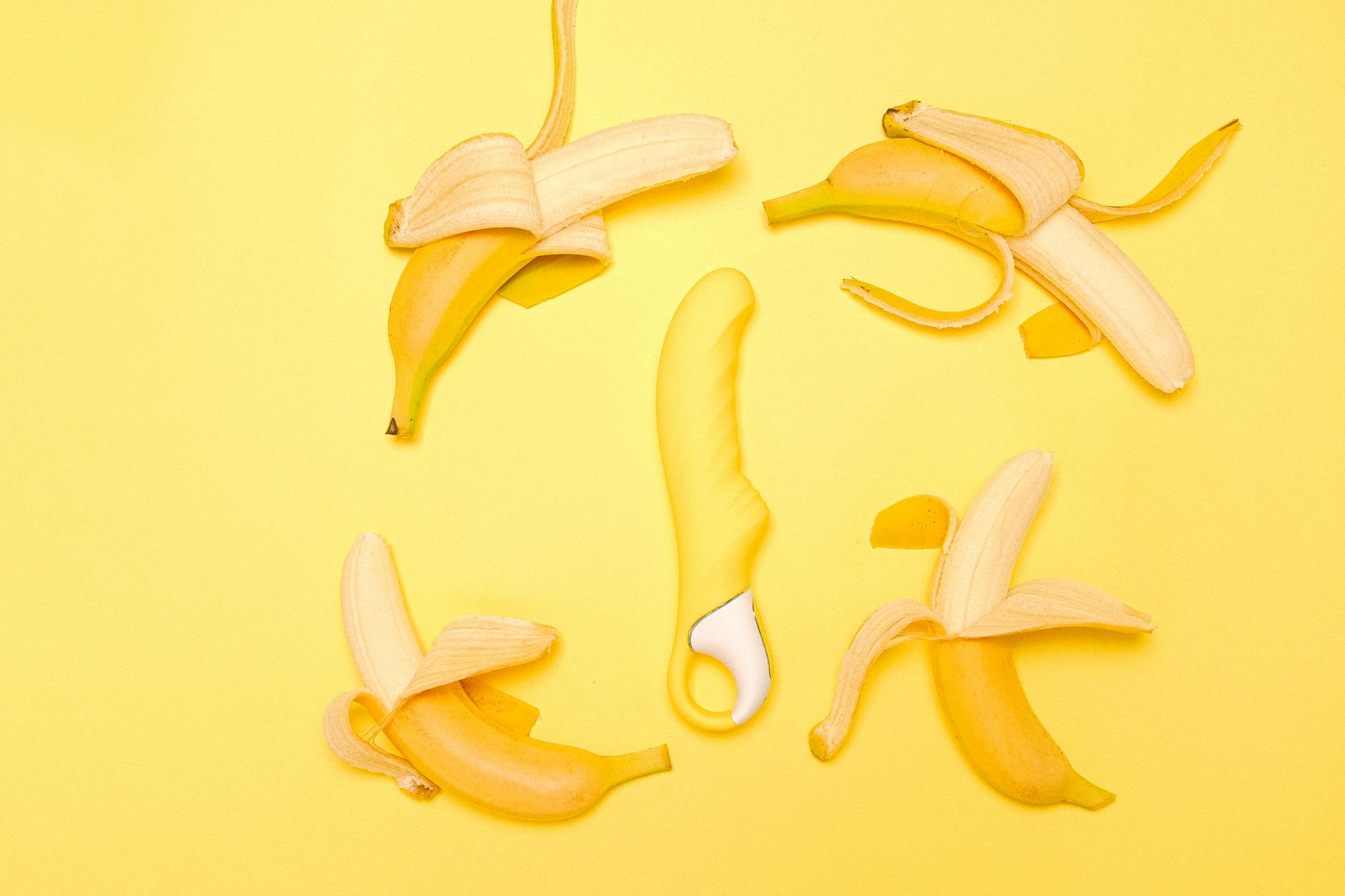
Pleasure after trauma isn't about pushing through
Let's start here: if physical touch has felt unsafe or triggering, your body isn't broken. It's doing exactly what it's supposed to do. Trauma rewires the nervous system. It teaches your body to guard itself. Rebuilding intimacy, solo or partnered, means working with that rewiring, not against it.
The good news? Lemon vibrators are specifically useful for this work because they offer something most toys don't: control without pressure. Suction-based stimulation on a clitoral vibrator doesn't require friction, impact, or sustained intensity. You control the rhythm, the pressure, and when you stop. That autonomy matters.
Why lemon vibrators work better for trauma recovery
Trauma can create something called "triggered numbness." Your nervous system shuts down sensation as protection. Some people report that traditional vibrators, with their relentless buzz, feel overwhelming or numbing. Lemon clitoral vibrators work differently.
The suction pattern mimics oral stimulation without the vulnerability of a partner's presence. The sensation is focused but not invasive. You're never forcing penetration, never at risk of losing control. Many of my clients find that this specificity helps their nervous system relax because the boundary is clear: stimulation happens here, in this exact spot, for as long as you choose.
Starting with intensity settings 1 or 2 is especially important after trauma. Your nervous system is already in a heightened state. Low intensity won't overstimulate the system back into protection mode.
The grounding work that comes first
Before you even pick up a toy, your nervous system needs to know it's safe. This isn't abstract. It's neurological.
Three grounding anchors I recommend:
Breath as the baseline. Your nervous system trusts consistent breathing. Before touching yourself, spend two minutes on box breathing: in for four, hold for four, out for four, hold for four. Notice your feet on the floor. Your back against the chair. This is your reference point. If pleasure ever feels scary, you drop back to the breath.
Physical safety markers. Many trauma survivors feel safer alone in a room with the door locked, phone nearby, blanket accessible. These aren't neuroses. They're evidence that your body knows what it needs. Honor that. The environment where you explore should feel bulletproof.
A boundary word or signal. Even when you're alone, naming a pause word rewires your nervous system toward choice. "Pause" or "check" gives your brain language for agency. Use it whenever sensation shifts, not just when things feel bad. The goal is to prove to your nervous system that you can stop anytime.
How to start your first session
First time with a lemon vibrator after trauma, the toy doesn't go anywhere near your body for the first session.
Here's what happens instead:
- Hold the toy. Feel its weight, its shape, its texture. Notice what thoughts come up. Are you safe? Are you bored? Are you already grieving something you didn't know you'd lost?
- Turn it on at the lowest setting and hear the sound. Some people find the sound triggering because it signals vulnerability. Others find it grounding because it's a tool, not a person.
- Place it against your arm, your knee, your inner wrist. Somewhere neutral. Let your nervous system collect data about what suction feels like without any sexual pressure attached.
If this takes three sessions, perfect. If it takes a month, also perfect. You're retraining your body's trust.
The pacing protocol for sensation recovery
Once your nervous system is comfortable with the toy's presence, here's how to gradually build clitoral contact:
Week 1: External contact, clothes on. Place the lemon vibrator over your underwear on the lowest setting for 30 seconds. That's it. You're practicing turning it on, turning it off, and proving to your body that you control the duration.
Week 2: Direct contact, low intensity. Remove underwear. Make contact with the Lemon at intensity 1 for no more than one minute. Your clitoris is incredibly sensitive after trauma because it's been protected. Overstimulation will send you backward.
Week 3: Extended contact, same intensity. Gradually increase time to three minutes. Notice whether pleasure begins to separate from fear.
Week 4: Pattern exploration. Lemon vibrators have different pulse patterns. Now that your nervous system knows the basic sensation, you can experiment with rhythm variation without changing intensity.
None of this needs to lead to orgasm. Orgasm isn't the goal. Sensation without fear is the goal.
When to pause and what pausing looks like
If any of these happen, stop immediately. No judgment, no pushing through.
Dissociation (feeling floaty, watching yourself from above, time distortion) means your nervous system hit its edge. Stop. Ground back using your breath anchor. Tomorrow is a new day.
Flashback sensations (your body suddenly believing you're back in the traumatic moment) require a pause and reset. Move your body. Cold water on your face. Name five things you see, four you can touch, three you hear. Your nervous system needs proof you're safe now.
Tightness or numbness that won't soften is your body saying "not yet." That's information, not failure. Your pelvic floor muscles may be holding tension you can't consciously release. A trauma-informed pelvic floor physical therapist can help with this.
Building toward partnered exploration (if that's your goal)
If you have a partner and want to eventually include them, using a lemon clitoral vibrator solo first establishes something crucial: you know what your body can handle. You've proven to yourself that pleasure exists on the other side of fear.
When you're ready, the conversation with your partner isn't "I'm broken and you need to fix me." It's "I'm rebuilding my sexuality. I need you to be present without directing the experience. Here's what feels safe." How to Use Lemon Vibrators With a New Partner When Judgment Feels Like a Real Risk addresses this specifically, but the foundational rule is the same: your partner's job is to witness your reclamation, not to orchestrate it.
Why this matters beyond the physical
Trauma doesn't just affect bodies. It affects your relationship with choice, control, and self-trust.
Using a tool that you completely command, at your pace, with clear on-off boundaries, rewires something deeper than your clitoris. It teaches your nervous system that pleasure can exist alongside safety. That control is possible. That your body can want something again.
Many of my clients report that rebuilding solo pleasure is the first time they've felt genuinely in charge of their own healing. Not complying with a therapist's plan. Not accommodating a partner's expectations. Just them, their body, and the permission to feel good.
This work is slow. It's not inspirational. It's just honest recovery, one session at a time.
People Also Ask
Is it normal to feel nothing during recovery with a lemon vibrator?
Completely normal. Trauma numbness is a protection mechanism, not a permanent condition. Your nervous system is still figuring out whether sensation is safe. Some people feel sensation return within weeks. Others take months. The consistency of regular, low-pressure exploration (using a lemon clitoral vibrator at low intensity) eventually sends the signal to your nervous system that it can relax. If numbness persists beyond three months of regular practice, a trauma-informed sex therapist or gynecologist can rule out medical factors.
Can I use lubricant with a lemon vibrator after trauma?
Yes, and I recommend it. Water-based lubricant reduces friction, which can feel less triggering than direct suction on raw tissue. It also gives your nervous system permission to slow down. Lubrication isn't a sign of weakness. It's a sign you're honoring your body's actual needs, not performing toughness.
What if my partner wants to be involved but I'm not ready?
That's a conversation worth having explicitly. You might say: "I need time rebuilding this on my own. I'm not rejecting you. I'm protecting my healing. Can you trust that?" A partner who pressures you into joint exploration before you're ready isn't safe, full stop. How to Use Lemon Vibrators When You Feel Disconnected From Pleasure During Partnered Sex goes deeper into this dynamic.
Is orgasm the goal, or is sensation without climax enough?
Sensation without climax is absolutely enough. Trauma survivors often report that chasing orgasm recreates the pressure and performance anxiety that made sex feel unsafe in the first place. If you reach orgasm naturally as your nervous system relaxes, wonderful. If you reach steady, pleasant sensation and call that a win, that's also wonderful. The only goal is reclaiming your relationship with your own pleasure.
How do I know if I'm progressing or just going through motions?
Progression looks like: less dread before touching yourself, fewer intrusive thoughts during sessions, noticeable sensation returning to areas that felt numb, and the ability to pause without panic. Going through motions looks like: obligation, checking boxes, expecting yourself to feel something by a certain date. If you notice the second pattern, you might benefit from working with a trauma-informed therapist alongside your solo exploration.
What intensity setting should I actually start with?
Start at 1. If the Lem vibrator's lowest setting feels like too much, you can hold it further from your body initially, which reduces suction intensity. Some people never move past intensity 2, and that's completely fine. Intensity isn't a measure of progress.
Your pleasure is worth the slow rebuild
Trauma survivors are often told to "move on" or "just relax." This is bad advice. Your nervous system isn't being difficult. It's being protective. The fact that you're considering rebuilding pleasure means you're already choosing yourself.
Using a lemon clitoral vibrator isn't a quick fix. It's a tool for a slow, intentional conversation with your own body. One where you get to decide every boundary. One where stop means stop. One where your pleasure matters because you matter.
This is how healing actually works.